A detailed guide to the Utror to Kundol Lake trek: route, distance, elevation gain, jeep section, camping options, fitness needs and 2026 costs.
Where is Kundol Lake
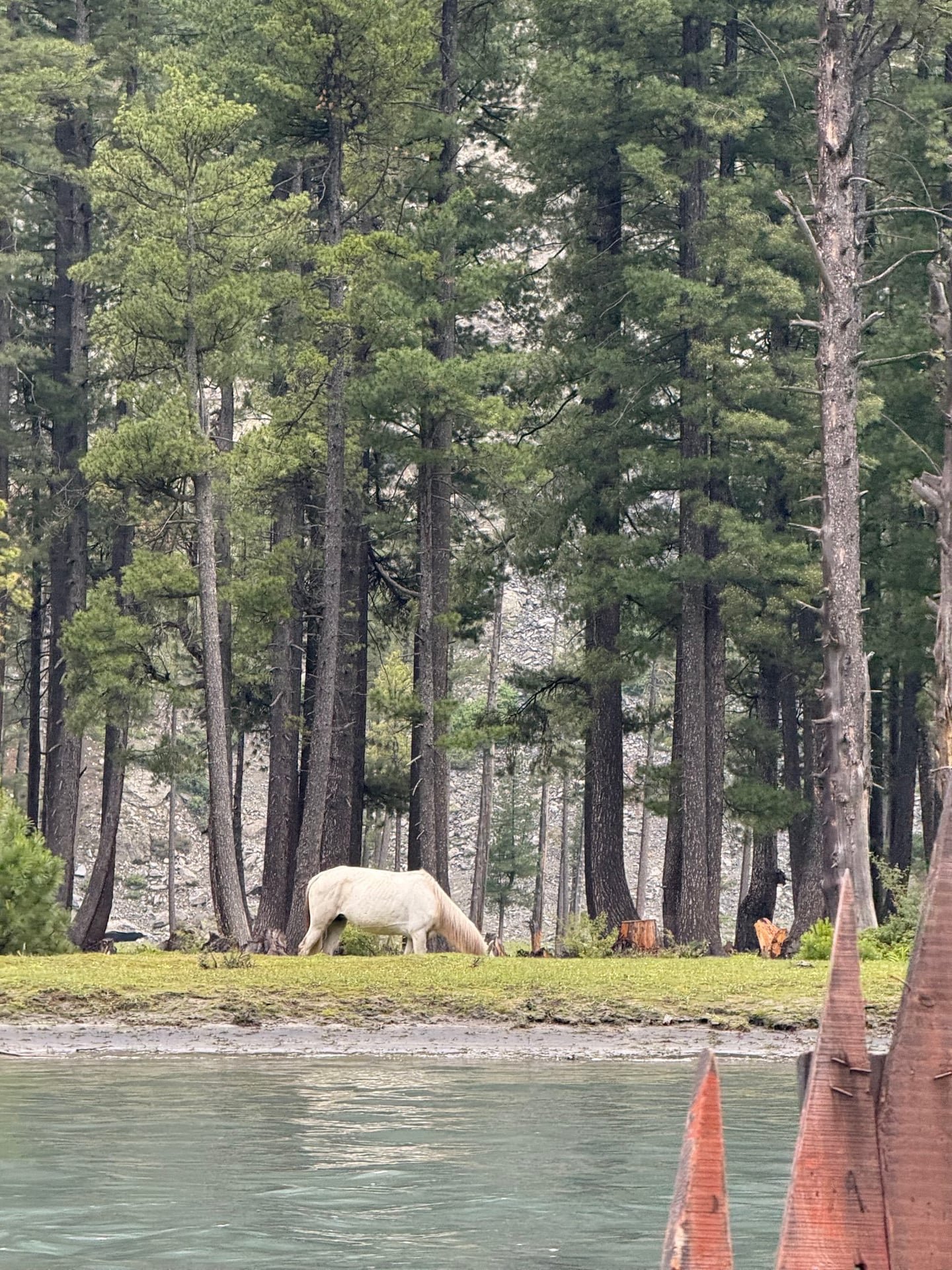
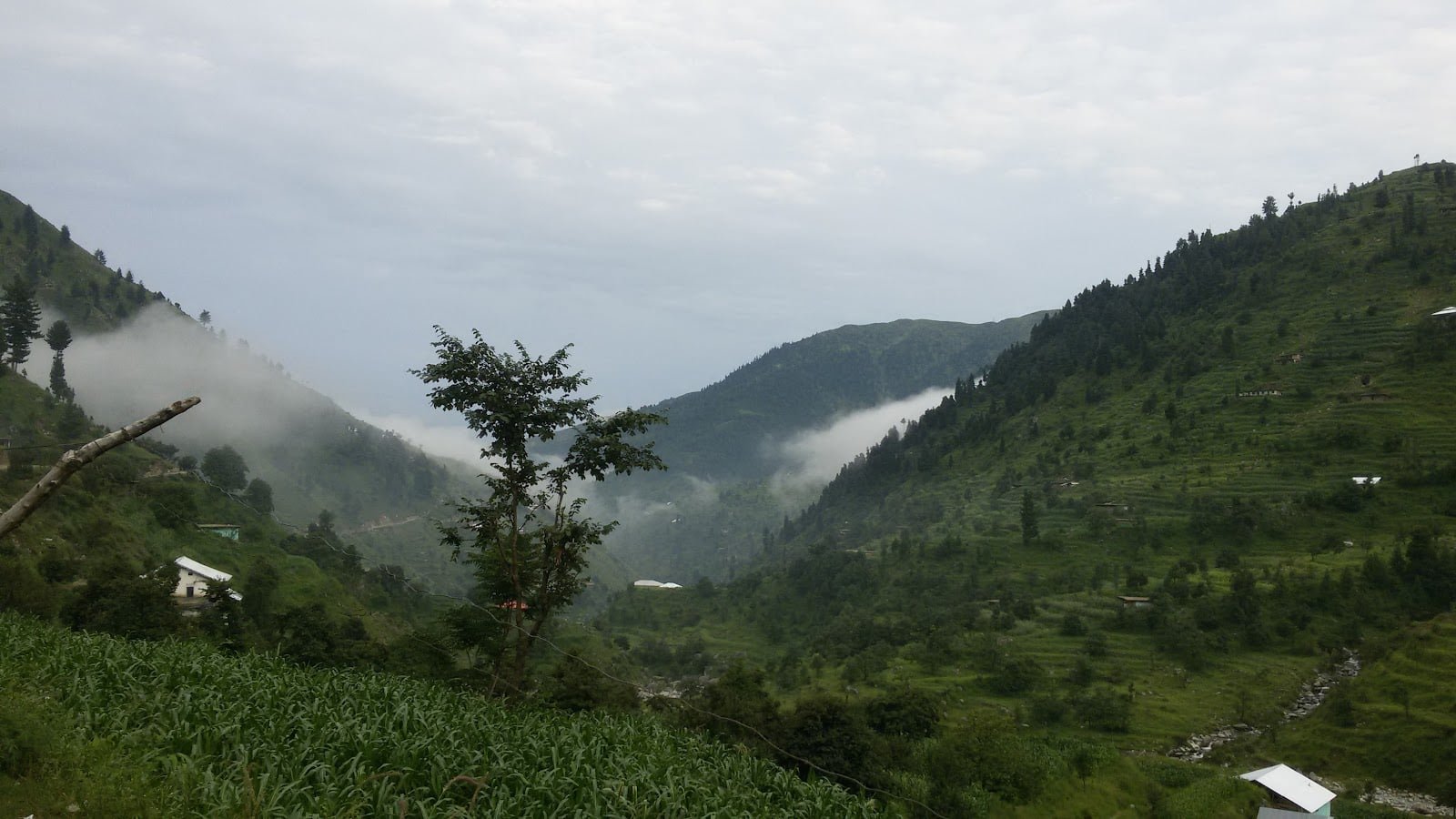
Kundol Lake sits at about 2,900 meters in the upper Utror valley, roughly 8 km southwest of Utror village in Swat. Utror itself is 16 km west of Kalam. The lake is a wide, clear glacial pool surrounded by green meadows and tall pine forest. In summer the surrounding slopes carpet with wildflowers. The lake is fed by snowmelt from the surrounding ridges and stays cold year-round.
How to reach Utror from Kalam
Take a 4x4 jeep from Kalam Bazaar to Utror. 16 km, about 45 to 60 minutes, PKR 3,000 to 5,000 one way for a private jeep. Shared jeeps cost PKR 500 to 800 per seat. The road is rough gravel after the first few kilometers. From Utror, you either continue toward the Kundol jeep stop or begin the trek on foot, depending on which option you choose.
Two ways to reach Kundol Lake
Option A: Jeep + short walk. Take a 4x4 from Utror to the Kundol jeep stop, then walk roughly 30 to 45 minutes to the lake. Total cost PKR 4,000 to 6,000 round trip for the jeep extension. Option B: Pure trek. Walk from Utror village to the lake, about 7 to 9 km one way, 4 to 5 hours of trekking with a steady elevation gain of around 400 meters. Most casual visitors choose Option A; trekkers choose B.
Difficulty and fitness needs
The jeep + short walk option is rated easy and is suitable for healthy adults and older children. The full trek option is moderate. You should be able to walk uphill steadily for 3 to 5 hours with breaks. You do not need technical mountaineering skills, Beginners with reasonable fitness manage it well if they go slow. Allow extra time for altitude, anything above 2,500 m can cause mild headaches.
Best season for the Kundol trek
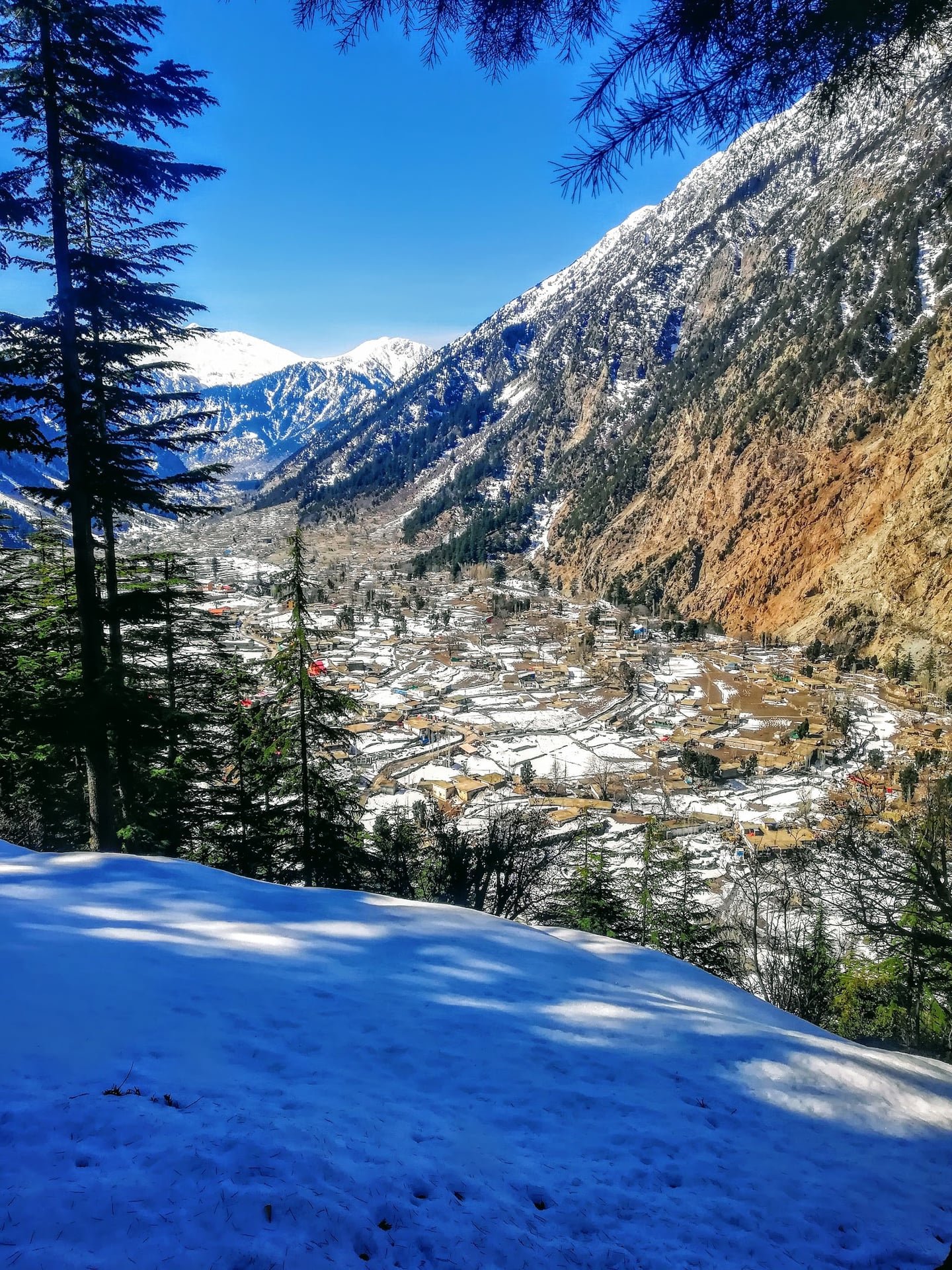
June to September is the prime window. Trails are dry, meadows are green and the lake is open. In late June and early July you can still see snow patches on the higher ridges. October offers golden colors but cold nights. Avoid late November to April, heavy snow blocks the trail and the jeep track, May can be muddy with melt streams crossing the trail.
Camping at Kundol Lake
Camping near Kundol is allowed in designated meadows but there are no formal campsites with running water or showers. Bring your own tent, sleeping bag rated to 0°C, ground mat and cooking stove. A few local guides rent tents and arrange porters from Utror. Costs roughly PKR 2,500 to 4,000 per person per night for tent + meals package. Always pitch tents away from the lake bank and never leave trash behind.
Day trek packing list
Comfortable hiking boots with grip, 2 to 3 litres of water, energy bars, dry fruits, a sandwich, light wind jacket, sun cap, sunglasses, sunscreen, gloves for early morning chill, basic first-aid kit, paracetamol, small torch, power bank, plastic bags for trash, and a refillable water bottle. Carry a paper map or downloaded offline trail because phone signal disappears past Utror.
Hiring a local guide
A local guide costs roughly PKR 2,500 to 4,000 per day. Even though the trail is mostly clear, a guide knows the river crossing points, the safe meadow patches and the weather signs. Local guides also help in case of altitude issues or an accident. Ask your Kalam hotel to arrange a tested guide. Do not pick up unknown people at Kalam Bazaar without verification.
Safety on the trek
Always start the trek before 9:00 am to comfortably reach the lake before noon and turn back well before sunset. Watch your footing on loose gravel patches. Drink water often, at altitude dehydration creeps up faster. If you feel dizzy, nauseous or unusually short of breath, descend slowly and rest in Utror. Inform your hotel of your start time, route and expected return.
Combining Kundol with other trips
Plan Kundol on a separate day from Mahodand, both are full-day excursions from Kalam. A typical four-day Kalam-based plan: Day 1 arrive Kalam, settle, riverside walk. Day 2 Mahodand jeep day. Day 3 Kundol day. Day 4 Ushu Forest and Matiltan side trip, return to Mingora. Add Gabral or Falak Sar viewpoints if you have a fifth day.
Frequently asked questions
How difficult is the Kundol Lake trek?+
Easy if you take the jeep up to the Kundol stop and walk 30 to 45 minutes. The full trek from Utror is moderate, 4 to 5 hours uphill.
Best time to visit Kundol Lake?+
June to September. The trail is clear, the meadows are green and weather is stable.
Can I do Kundol and Mahodand in one day?+
No. Both are full-day excursions from Kalam. Plan one trip per day. Pick another option instead.
Is camping allowed at Kundol Lake?+
Yes, in the surrounding meadows. There are no formal facilities. Bring your own gear or hire a guide who provides tents.
Is the Kundol jeep track open in winter?+
No. The track is closed by snow from late November to April. Best access is summer through early autumn. Pick another option instead.
Do I need a guide for Kundol Lake?+
Not strictly required for the short walk version, but a guide is recommended for the full trek and for safety, especially for first-time trekkers.
Ready when you are
Make Swat feel easy
Dates, hotels, jeep rates, or the best base town — get a clear local answer before you book.