A practical 2026 guide to Malam Jabba ski resort — chairlift cost, ski lesson rates, rental gear, hotel options and best snow months.


About Malam Jabba ski resort
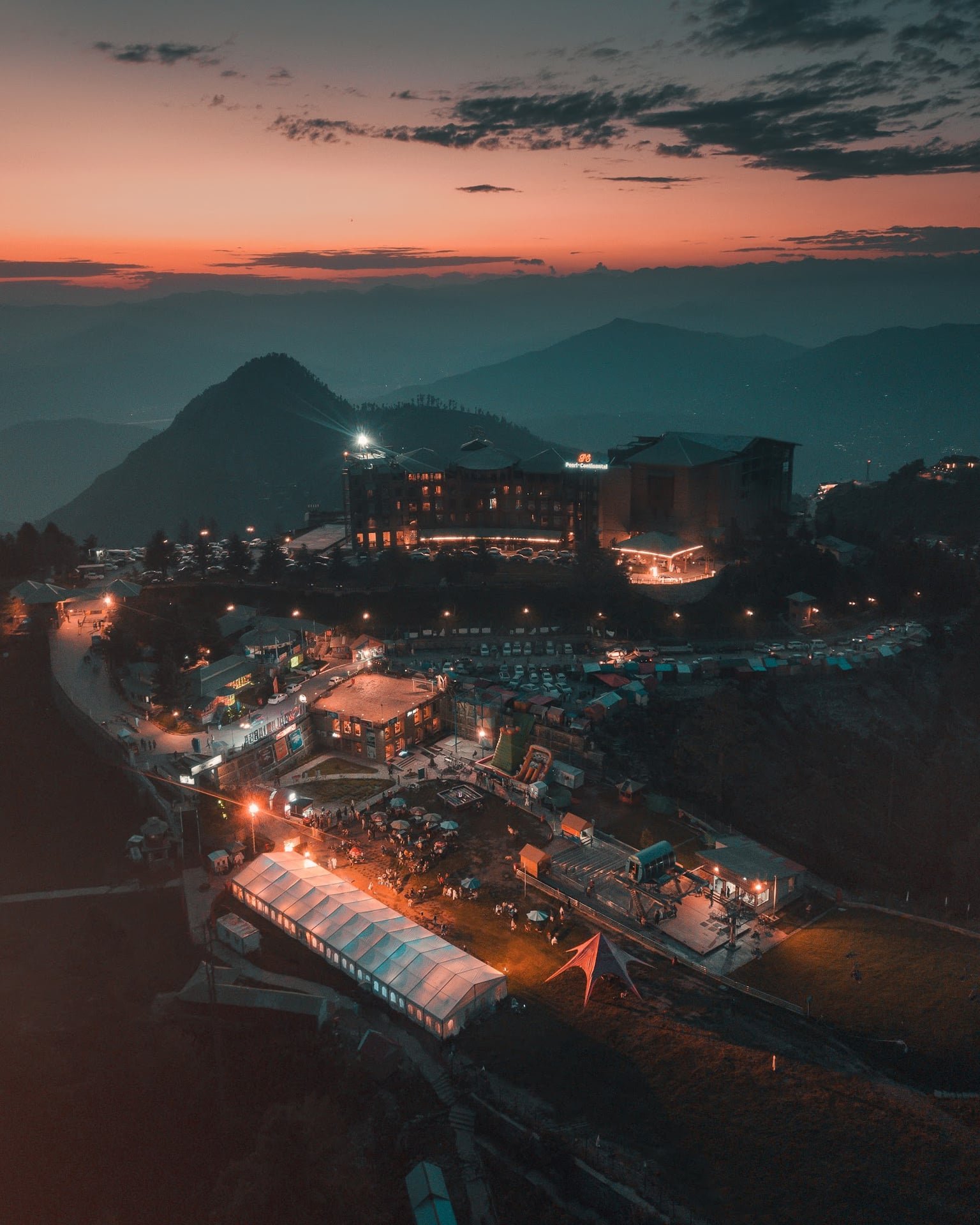
Malam Jabba sits at 2,600 meters in Swat and is one of only two operational ski resorts in Pakistan (the other being Naltar in Gilgit). The resort has a beginner ski slope, a chairlift, ski lessons, snowboarding, sledding and snow play areas. It is run alongside the adjacent PC Malam Jabba hotel and offers the easiest snow holiday in Pakistan, accessible from Islamabad in a single day.
Ski season and snow window
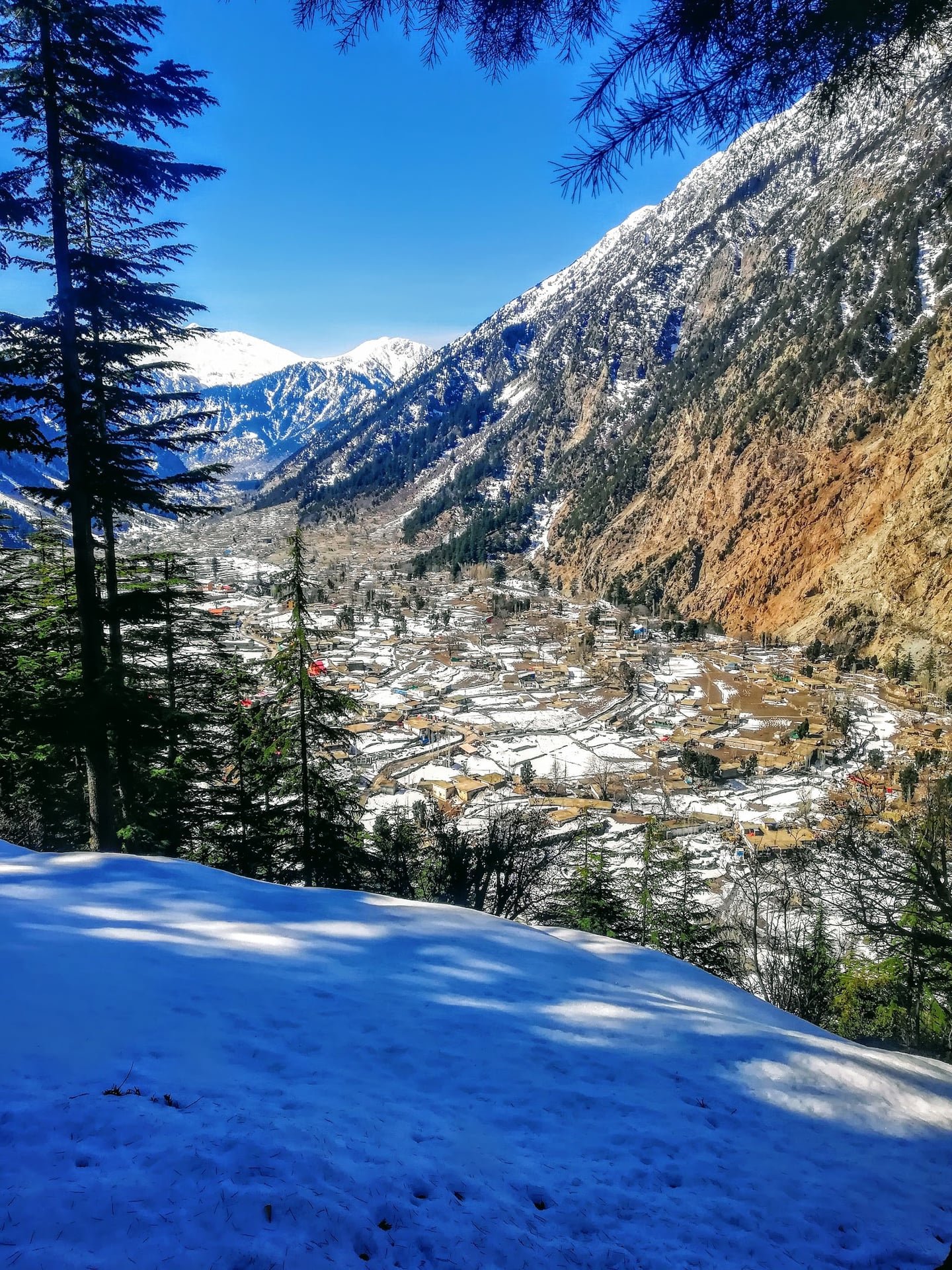
The ski season runs roughly mid-December through early March. Peak snow density is mid-January to mid-February. Early December and late March often have thinner snow — chairlift may run but skiing can be limited. Always check the official PC Malam Jabba updates or call the front desk before booking a ski-focused trip.
Chairlift prices in 2026
Chairlift one-way ticket: approximately PKR 700 to 1,000 per person. Return: approximately PKR 1,200 to 1,500. Children get a discount. Group rates apply for parties of 15 or more. The chairlift operates daily during the season subject to weather. Lines can be long on Saturday and Sunday — go on a weekday if you can.
Ski lesson rates
A basic 1-hour beginner ski lesson: PKR 3,000 to 5,000 per person including gear rental. A half-day lesson (3 hours): PKR 6,000 to 9,000. Most casual visitors take a 1-hour lesson, then continue practicing on the beginner slope. Snowboarding lessons are usually similar or slightly higher. Lessons are taught in Urdu and English by trained instructors.
Ski gear rental
Ski boots, skis and poles rental: PKR 1,500 to 2,500 per day. Snowboard rental: PKR 2,000 to 3,000 per day. Helmet and goggles are usually included. Snow jackets, snow pants and gloves can be rented separately for PKR 500 to 1,000 per item per day. If you ski regularly, bring your own gear — rentals are limited during peak weekends.
PC Malam Jabba hotel
PC Malam Jabba is the premium on-resort stay with rooms that face the slopes. Standard rooms in season: PKR 25,000 to 45,000 per night. Executive and suite rooms: PKR 50,000 to 90,000 per night. Includes breakfast, heating, secure parking, on-site restaurant. Book at least 2 to 4 weeks ahead for January and February weekends — rooms sell out fast.
Alternative hotels nearby
A few smaller chalet-style hotels near the ski lift offer mid-range rooms for PKR 8,000 to 18,000 per night. Quality varies — read recent Google reviews. Many families also stay in Mingora (1.5 hours drive away) and day-trip to Malam Jabba, returning to warmer rooms in the evening. The Mingora-base option is often more comfortable for families with young children.
Best plan from Islamabad
Day 1: Leave Islamabad by 6:00 am. Reach Malam Jabba by 1:00 pm. Chairlift ride and snow play in the afternoon. Overnight at PC Malam Jabba. Day 2: Morning ski lesson, lunch at hotel, chairlift second ride or photography session. Drive back via Mingora by 3:00 pm, reach Islamabad around 10:00 pm. Total round trip: 1 night, 2 days, snow guaranteed in season.
What to wear and pack
Heavy waterproof jacket, snow pants (or rent on-site), thermal inner layers, woollen socks, waterproof boots, gloves, beanie, scarf, sunglasses for snow glare, lip balm, sunscreen (snow reflects UV strongly), hand warmers, power bank, change of dry clothes for after snow play, basic medicines. Carry cash for chairlift, lessons and small purchases.
Safety on the slope
Take a lesson before attempting the slope — even beginners falls can lead to sprains and broken wrists. Wear a helmet — most rentals include one. Stay within marked slope areas. Watch for other skiers and stop at safe points, not in the middle of the slope. Hydrate often — altitude and cold dehydrate fast. If you feel unwell, return to the lodge and rest — pushing through symptoms at altitude is risky.
Planning details most travelers miss
Most travel friction in Swat comes from timing, not distance. The same route can feel easy or exhausting depending on start hour, road congestion, and weather windows. A practical strategy is to lock core movement windows early in the day, then keep flexible blocks for meals, short photo pauses, and weather-driven adjustments. This keeps your plan stable without becoming rigid. Road safety in Swat is mostly about daylight discipline. Keeping mountain segments in daylight lowers risk significantly and makes route decisions easier when conditions change. If weather turns or delays build up, stopping early in a known town is usually the best decision. Reaching one stop less is better than forcing a late-night arrival on unfamiliar roads.
How to adapt this plan by season
Accommodation choices have a direct effect on daily energy. A room with reliable heating, hot water, and low night noise gives better sleep and a stronger next day, especially for families and photographers waking before sunrise. It is usually smarter to pick slightly better comfort in one base town than to over-shift hotels every night and lose time in check-in transitions. Local etiquette improves travel outcomes in subtle ways. A respectful greeting, patient negotiation, and calm behavior in busy bazaars often lead to better cooperation from drivers, hotel staff, and shopkeepers. Small cultural awareness creates trust. That trust helps when you need route advice, schedule flexibility, or quick support in uncertain conditions.
Comfort and safety checklist
Food planning matters more in mountain travel than many visitors expect. Choose clean, high-turnover kitchens, request moderate spice when needed, and carry backup snacks for long road sections. Hydration is equally important. In cooler weather people drink less water and fatigue builds faster. Keeping a simple hydration rhythm improves mood, focus, and motion comfort during long curves. A useful final check is to separate essentials from optional items. Essentials include documents, medicines, cash buffer, charging backups, and weather layers. Optional items include extra stops and non-critical detours. When plans shift, protecting essentials first keeps the trip smooth. This simple prioritization method works for first-time tourists and repeat visitors alike.
Smarter route and budget decisions
Road safety in Swat is mostly about daylight discipline. Keeping mountain segments in daylight lowers risk significantly and makes route decisions easier when conditions change. If weather turns or delays build up, stopping early in a known town is usually the best decision. Reaching one stop less is better than forcing a late-night arrival on unfamiliar roads. For content creators and planners, document your route decisions each day. Note fuel points, traffic windows, and response times for support services. This helps you improve future trips and makes your recommendations more trustworthy for others. Swat rewards detailed planning with a better on-ground experience, especially when your schedule combines culture, food, and upper-valley movement.
Local etiquette and practical behavior
Local etiquette improves travel outcomes in subtle ways. A respectful greeting, patient negotiation, and calm behavior in busy bazaars often lead to better cooperation from drivers, hotel staff, and shopkeepers. Small cultural awareness creates trust. That trust helps when you need route advice, schedule flexibility, or quick support in uncertain conditions. Families and mixed-age groups should apply pace layering. Keep one anchor activity, one optional stop, and one recovery block each day. This prevents over-scheduling and reduces friction between travelers with different energy levels. The strongest itineraries are not the busiest ones, they are the plans that stay comfortable from morning to evening.
Final execution checklist
A useful final check is to separate essentials from optional items. Essentials include documents, medicines, cash buffer, charging backups, and weather layers. Optional items include extra stops and non-critical detours. When plans shift, protecting essentials first keeps the trip smooth. This simple prioritization method works for first-time tourists and repeat visitors alike. Most travel friction in Swat comes from timing, not distance. The same route can feel easy or exhausting depending on start hour, road congestion, and weather windows. A practical strategy is to lock core movement windows early in the day, then keep flexible blocks for meals, short photo pauses, and weather-driven adjustments. This keeps your plan stable without becoming rigid.
Planning details most travelers miss
For content creators and planners, document your route decisions each day. Note fuel points, traffic windows, and response times for support services. This helps you improve future trips and makes your recommendations more trustworthy for others. Swat rewards detailed planning with a better on-ground experience, especially when your schedule combines culture, food, and upper-valley movement. Accommodation choices have a direct effect on daily energy. A room with reliable heating, hot water, and low night noise gives better sleep and a stronger next day, especially for families and photographers waking before sunrise. It is usually smarter to pick slightly better comfort in one base town than to over-shift hotels every night and lose time in check-in transitions.
Frequently asked questions
Is Malam Jabba ski resort open in 2026?+
Yes. The resort operates each winter season, roughly mid-December through early March.
How much does the Malam Jabba chairlift cost?+
Approximately PKR 1,200 to 1,500 for a return ticket in 2026. Children get a discount.
Can beginners learn skiing at Malam Jabba?+
Yes. The resort has a beginner slope and trained instructors offering 1-hour to half-day lessons.
How much does a ski lesson cost?+
1-hour beginner lesson with gear: PKR 3,000 to 5,000 per person. Half-day: PKR 6,000 to 9,000.
Best month to ski at Malam Jabba?+
Mid-January to mid-February. Peak snow density and most reliable lift operations.
How to reach Malam Jabba from Islamabad?+
290 km, 6 to 7 hours via M-1, Swat Expressway, then Khwazakhela and the mountain road to Malam Jabba.