A practical guide to camping at Mahodand Lake, best pitch spots, weather, gear list, food, cost breakdown and rules to follow.
Why camp at Mahodand
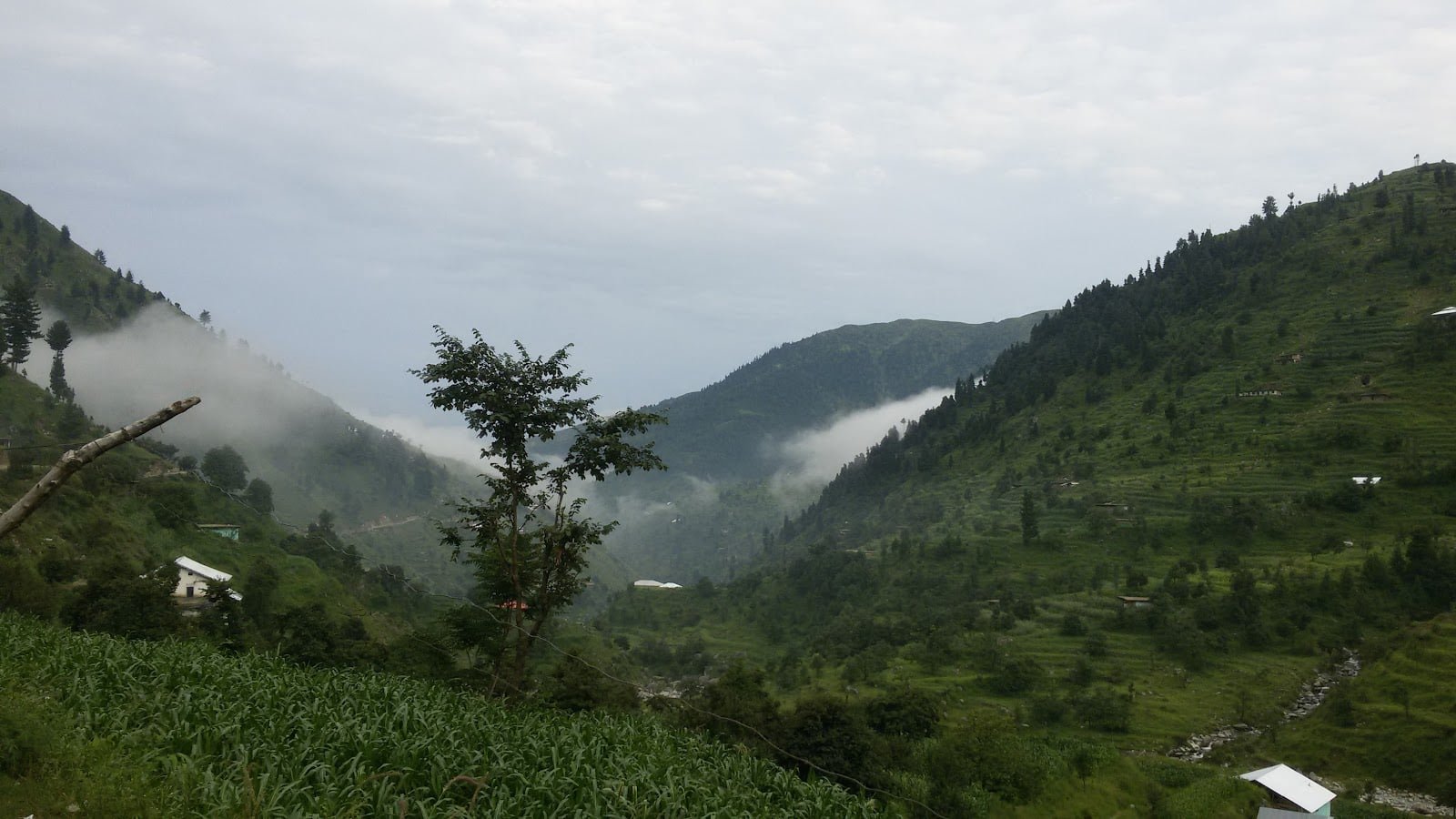
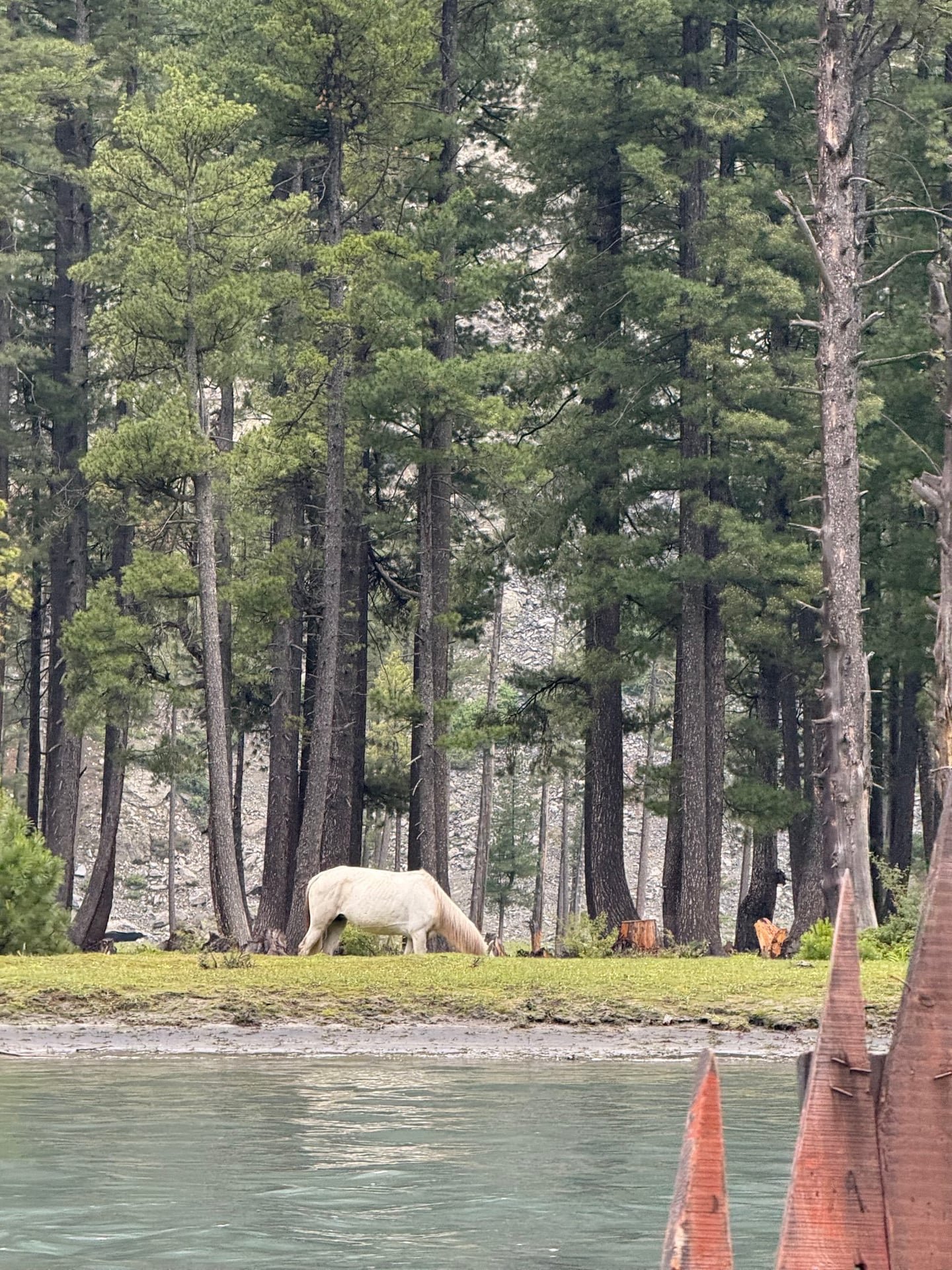
Camping at Mahodand puts you under one of the cleanest night skies in Pakistan. The lake reflects the surrounding peaks at sunrise, the air is crisp, and the only sounds are river and wind. For photographers, hikers and outdoors families, an overnight camp at Mahodand is one of the most rewarding Swat experiences. Day-trippers get only a small slice of what the lake offers.
Best camping season
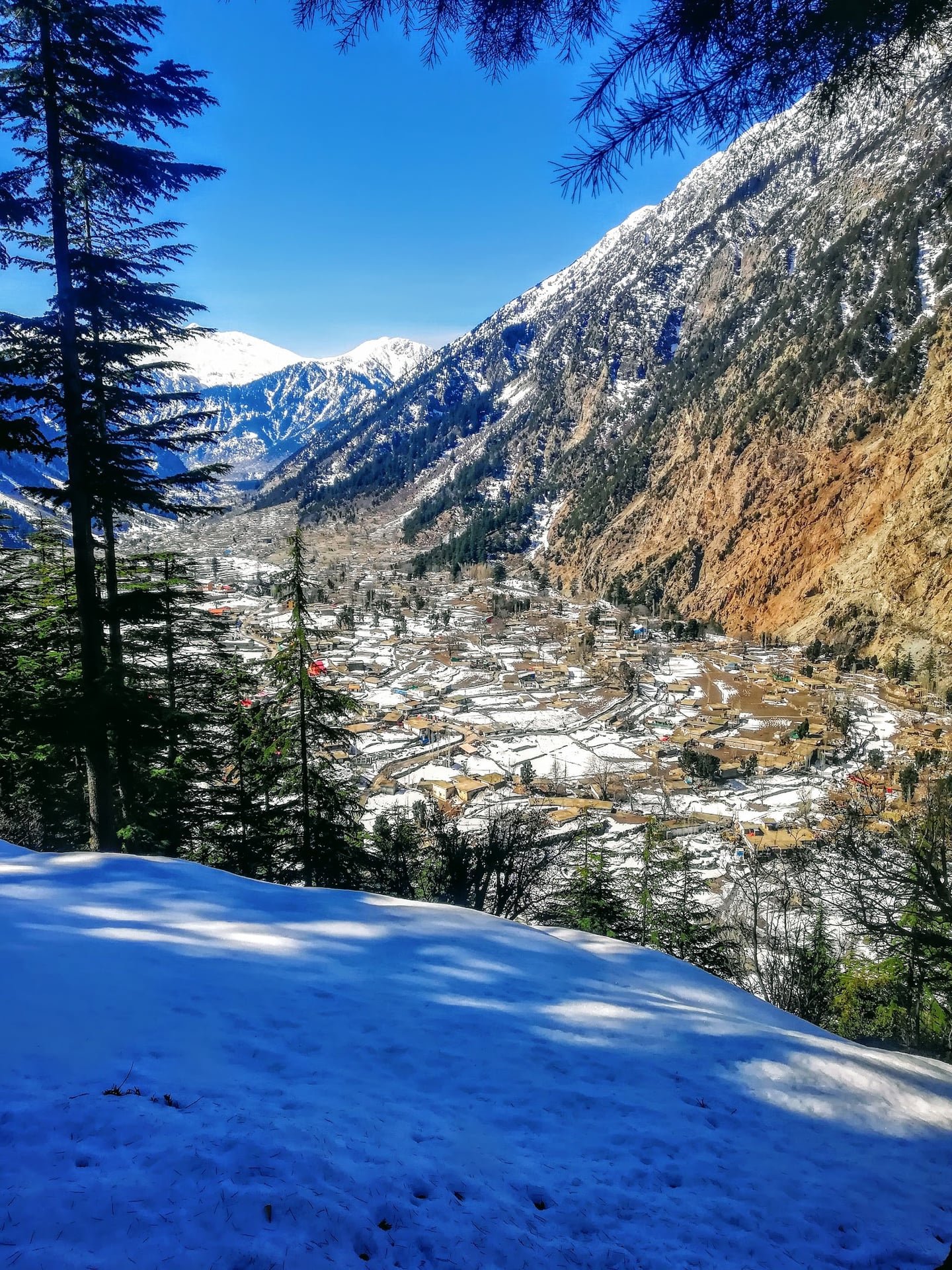
Late May to early October is the practical window. June and September are ideal. Warm enough days, manageable cold nights, low risk of heavy storms. July and August can have monsoon rain in the lower valleys but Mahodand often stays clear. Mid-October temperatures drop sharply at night and snow can arrive without warning. Avoid late October to April, the access track is closed by snow.
Where to pitch your tent
The flat meadows on the east bank of the lake are the most popular. Choose ground that is well above water level. Mahodand water levels rise sharply during glacial melt afternoons. Avoid pitching directly under tall pine trees because branches and cones fall in wind. Keep at least 15 meters between tents in a group. Do not pitch on the path used by jeeps and locals.
Tent rental options
Local organizers in Kalam Bazaar and at the Mahodand parking area rent tents that fit 2 to 4 people. 2026 rates: PKR 2,500 to 4,500 per tent per night including basic sleeping mat. Sleeping bags rented separately for PKR 500 to 1,000 per night. Some operators offer full packages. Return jeep transfer, tent, sleeping bag, dinner, breakfast and tea, for PKR 5,000 to 9,000 per person.
Bring your own gear if possible
If you camp regularly, bring your own four-season tent, a sleeping bag rated to 0°C or lower, a closed-cell foam pad, a small camping stove, lighter, headlamp, power bank, paper map, and warm layers. Hired gear is acceptable but quality varies. Always inspect rental tents for tears and confirm that all pegs and poles are present before paying.
Food and water at Mahodand
Several small dhabas operate at the lake parking area in the season. They serve daal, chawal, karahi, trout fish and tea. Prices are higher than in Kalam. Expect PKR 600 to 1,500 per meal. Bring snacks, energy bars and water for the night when the dhabas close. Lake water is glacial-clean but should still be boiled or filtered before drinking. Carry 2 to 4 litres per person.
Night cold and warmth tips
Even in July, night lows at Mahodand drop to 5°C to 9°C. Wear a thermal base layer, fleece, woollen socks and a windbreaker before going to sleep. A hot water bottle inside the sleeping bag works wonders. Eat a calorie-rich dinner, your body burns more sugar at altitude. Avoid alcohol or drinks that dehydrate. Drink warm water or tea before bed.
Safety, animals and rules
There are no large dangerous animals around Mahodand but stray dogs from villages sometimes wander in. Store food in a sealed bag inside the tent. Pack all trash and carry it back to Kalam. Do not bury or burn waste. No fires inside the forest area without permission. Inform your hotel in Kalam of your camping plan and return time. Travel in groups of at least three for safety.
Photography at the lake
Sunrise on Mahodand is the best frame. Clear water, mist over the surface and golden light on the surrounding peaks. Be ready by 5:30 am in summer. A wide-angle lens for the lake, a 50 to 85 mm for portraits and tea-stall scenes, and a small tripod for long exposure work well. Carry spare batteries. Cold drains them fast. A polarising filter reduces water reflection beautifully.
Cost breakdown for a 2-person overnight
Round-trip jeep from Kalam: PKR 6,000 to 8,000. Tent rental: PKR 3,500. Two sleeping bags: PKR 1,500. Dinner and breakfast for two: PKR 2,500. Buffer for tea, snacks, tips: PKR 1,500. Total: PKR 15,000 to 17,000 for two people. If you bring your own gear, you can drop the tent and sleeping bag cost. Eid and peak July weekends cost 20 percent more.
Frequently asked questions
Is camping allowed at Mahodand Lake?+
Yes. Camping is allowed in the meadows near the lake. Use designated areas, leave no trash and follow local guidance.
Best season for camping at Mahodand?+
Late May to early October. June and September are the most comfortable.
Can I rent tents at Mahodand?+
Yes. Local operators in Kalam and at the lake parking area rent tents and sleeping bags. Quality varies, inspect before paying.
How cold does it get at night?+
Summer nights drop to 5°C to 9°C. Pack thermal layers, a warm sleeping bag and a windproof jacket.
Is there a fee for camping at Mahodand?+
There is no formal camping fee in most seasons. You pay for your own gear, transport, food and any local services you use.
Is Mahodand camping safe for families?+
Yes for families with older children and basic camping experience. For toddlers and infants, day-trip and return to Kalam for the night.
Ready when you are
Make Swat feel easy
Dates, hotels, jeep rates, or the best base town — get a clear local answer before you book.