
Pashtun Social Code
Much of Swat follows Pashtunwali, a social code built around respect, hospitality, courage, protection of guests, and community honor.
History, language, hospitality, food customs, music, dress, craft, and the living traditions that shape everyday life across the valley.
Visitors often come to Swat for lakes, rivers, forests, and mountains. What makes the valley memorable, though, is its human character. Swat has one of the richest cultural layers in northern Pakistan, with a deep Buddhist past, a strong Pashtun identity, a royal state-era memory, and an everyday social life still built around hospitality, language, family, religion, and local trade.
Real culture here is not confined to monuments. It lives in Mingora bazaars, village courtyards, orchard seasons, wedding halls, tea tables, shawl shops, school routes, Friday gatherings, and the way people greet strangers. To understand Swat properly, you have to look at both its heritage sites and its living customs.
Core Identity
Pashtun
Language, honor, family, and hospitality shape public life.
Historic Layer
Gandhara
Ancient Buddhist art and learning made Swat historically important.
Modern Memory
Swat State
The Wali era still influences how locals speak about order and development.
These are the values and habits travelers notice most clearly once they spend time beyond the photo stops.
Much of Swat follows Pashtunwali, a social code built around respect, hospitality, courage, protection of guests, and community honor.
Guests are commonly welcomed with tea, fruit, and a full conversation before any business begins. In villages, hospitality is treated as character, not performance.
Pashto is the dominant language, while Urdu is widely understood in towns, schools, hotels, and transport points across the valley.
Traditional dress remains visible in daily life. Men usually wear shalwar kameez with waistcoats, pakol caps, or shawls. Women wear long dresses, scarves, and embroidered fabrics.
Bazaars in Mingora, Matta, Bahrain, and Madyan carry shawls, embroidery, carved wood items, gemstones, dry fruit, and household goods that reflect local trade culture.
Meals are social and often shared. Large platters, fresh naan, trout, rice dishes, tea, and seasonal fruits are central to gatherings and family events.
Rubab, mangey, and folk singing remain part of cultural memory. Pashto poetry, proverbs, and storytelling still shape conversation and social evenings.
Culture shifts with the seasons, orchard bloom in spring, weddings in milder months, busy tourist trade in summer, harvest activity in autumn, and quieter family-centered winters.
Ancient period to 10th century CE
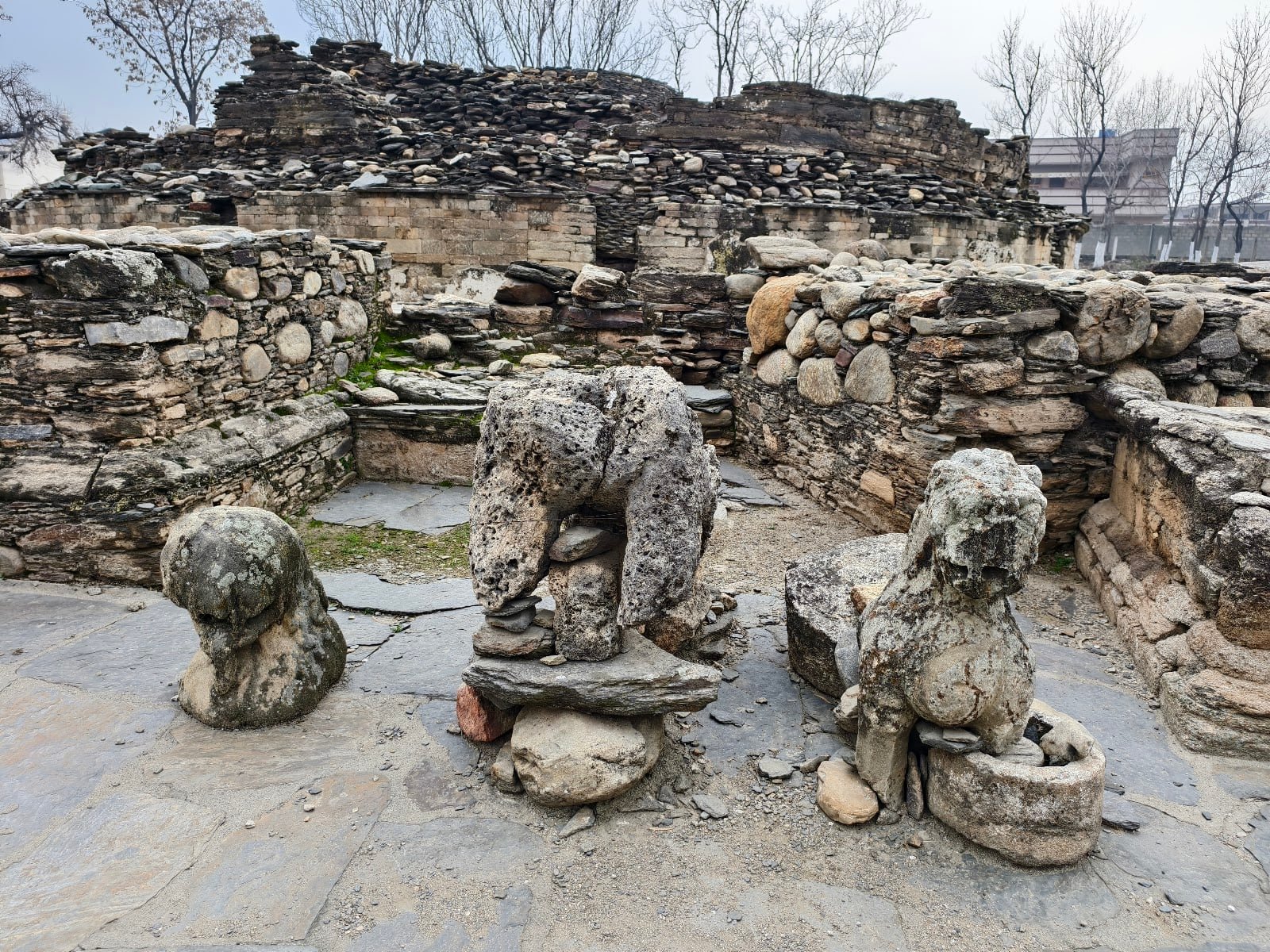
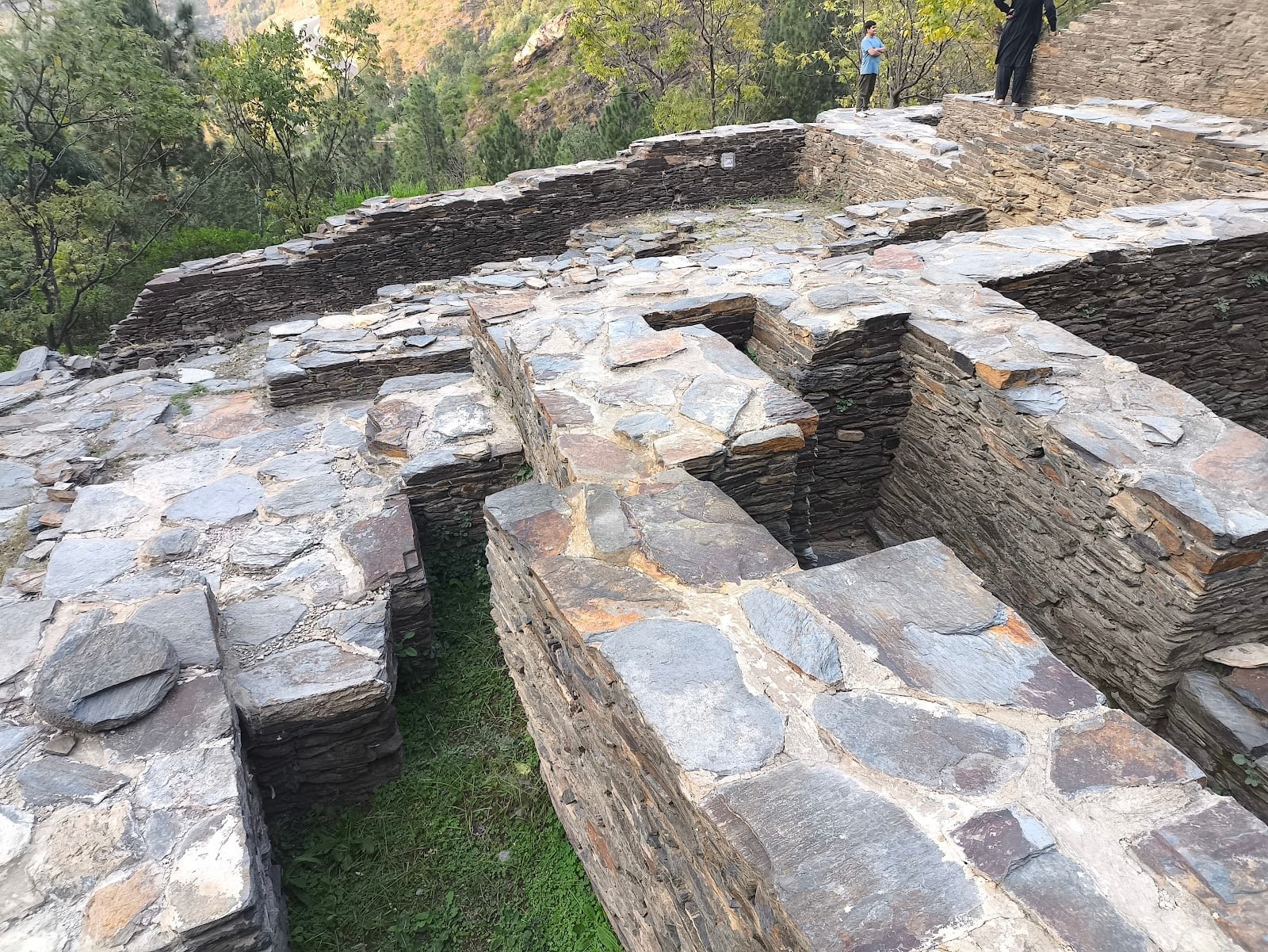
Swat was one of South Asia's great Buddhist centers. Monasteries, stupas, and stone sculpture from this era survive at Butkara, Amluk Dara, Saidu Sharif, and related sites.
11th century to 19th century
Islam became the valley's dominant faith, while local social life grew around village leadership, orchards, mountain trade routes, and extended family structures.
1915 to 1969
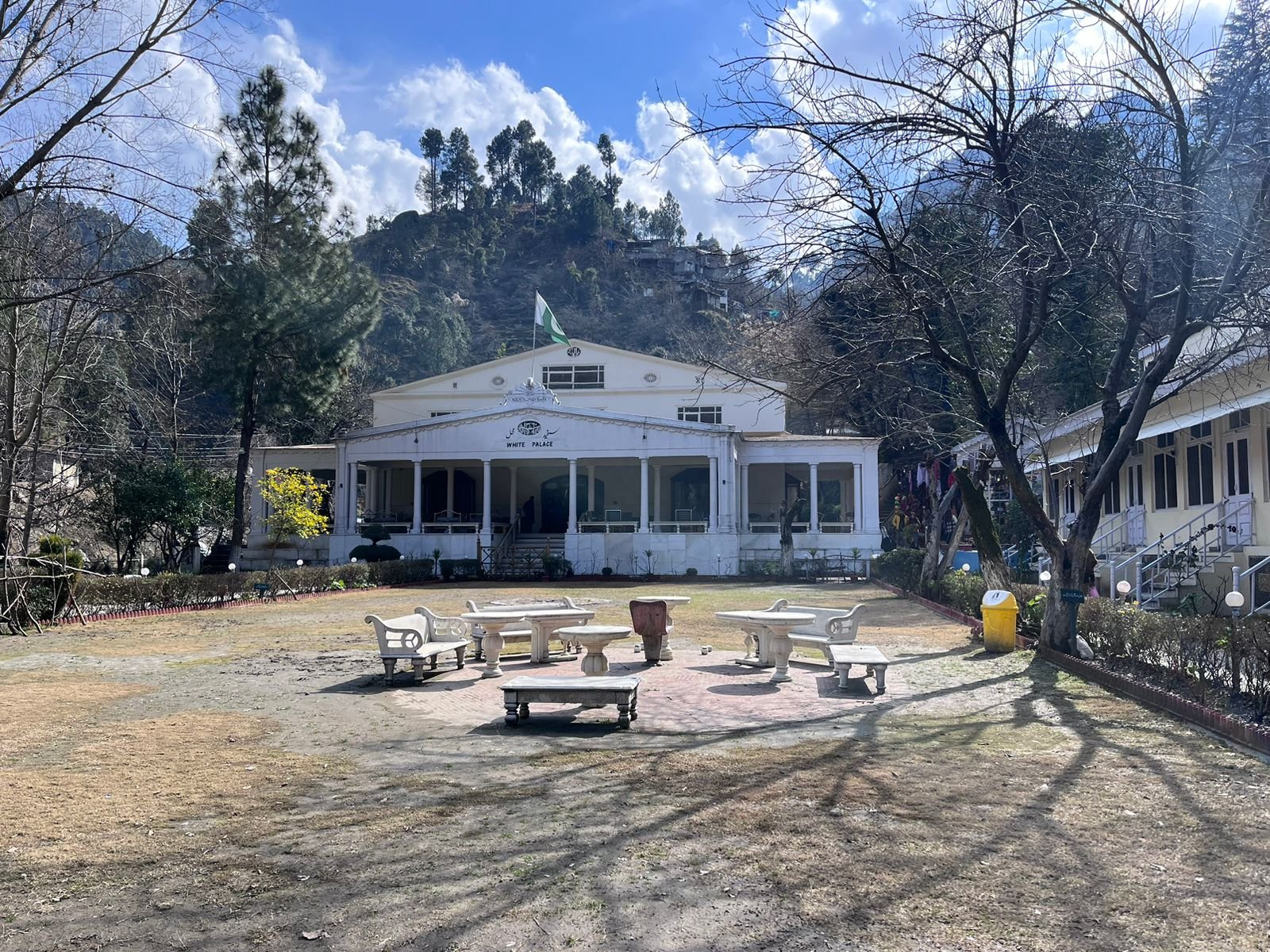
Under the rulers of Swat State, the valley saw administrative reform, roads, schools, hospitals, and planned development. White Palace in Marghazar became the best-known symbol of that period.
1969 to early 2000s
After the state merged into Pakistan, Swat gradually expanded its links to the wider economy through education, tourism, transport, and trade centered around Mingora and Saidu Sharif.
Present day
Today Swat balances tourism, orchard agriculture, local trade, and a strong cultural identity. Daily life remains rooted in local customs even as travel and media reshape the valley.
Even a few respectful phrases make a difference. Urdu works in most towns, but using basic Pashto is often appreciated, especially in smaller communities.
Salam
Hello, the most respectful common greeting.
Manana
Thank you.
Sanga ye?
How are you?
Sta num sa day
What is your name?
Pakhair raghly
Welcome.
Pa makha de kha
Good to see you.
Swat is welcoming, but visitors get the best response when they match the valley\'s sense of calm, modesty, and courtesy. These habits matter more than perfect language.
The strongest cultural signals in Swat are not always formal. They are visible in daily routines, guest behavior, market structure, and the rhythm of family and public life.
Weddings are among the most visible cultural events in Swat. They center on extended family networks, shared meals, formal guest reception, and carefully observed etiquette between households.
Markets are not only commercial. They are where news spreads, local politics is discussed, relationships are maintained, and visitors get their most direct view of everyday Swati life.
In smaller settlements, daily life follows orchard work, prayer times, household duties, school schedules, and seasonal agriculture. This gives village Swat a quieter pace than the main tourist road.
Tea is a social ritual. Refusing it too quickly can feel abrupt. Meals often begin with elders being served first, and visitors are encouraged to eat generously as a sign of welcome.
Pashto poetry remains part of cultural expression, especially in private gatherings. Historical memory in Swat is often carried not only through books but through family stories and spoken recollection.
Mosques, shrines, graveyards, and archaeological remains are treated with seriousness. Modesty and quiet behavior matter, even for visitors who come mainly for photography.
Built in 1941 as the summer palace of the Wali of Swat, this marble landmark reflects the royal chapter of Swat State and remains one of the valley's most recognized heritage sites.
One of the most important archaeological sites in Swat, Butkara represents the Buddhist and Gandhara layer that made the valley globally significant in ancient history.
This site reflects the Islamic and later historical identity of the valley, showing how Swat's built heritage extends beyond archaeology into living religious culture.
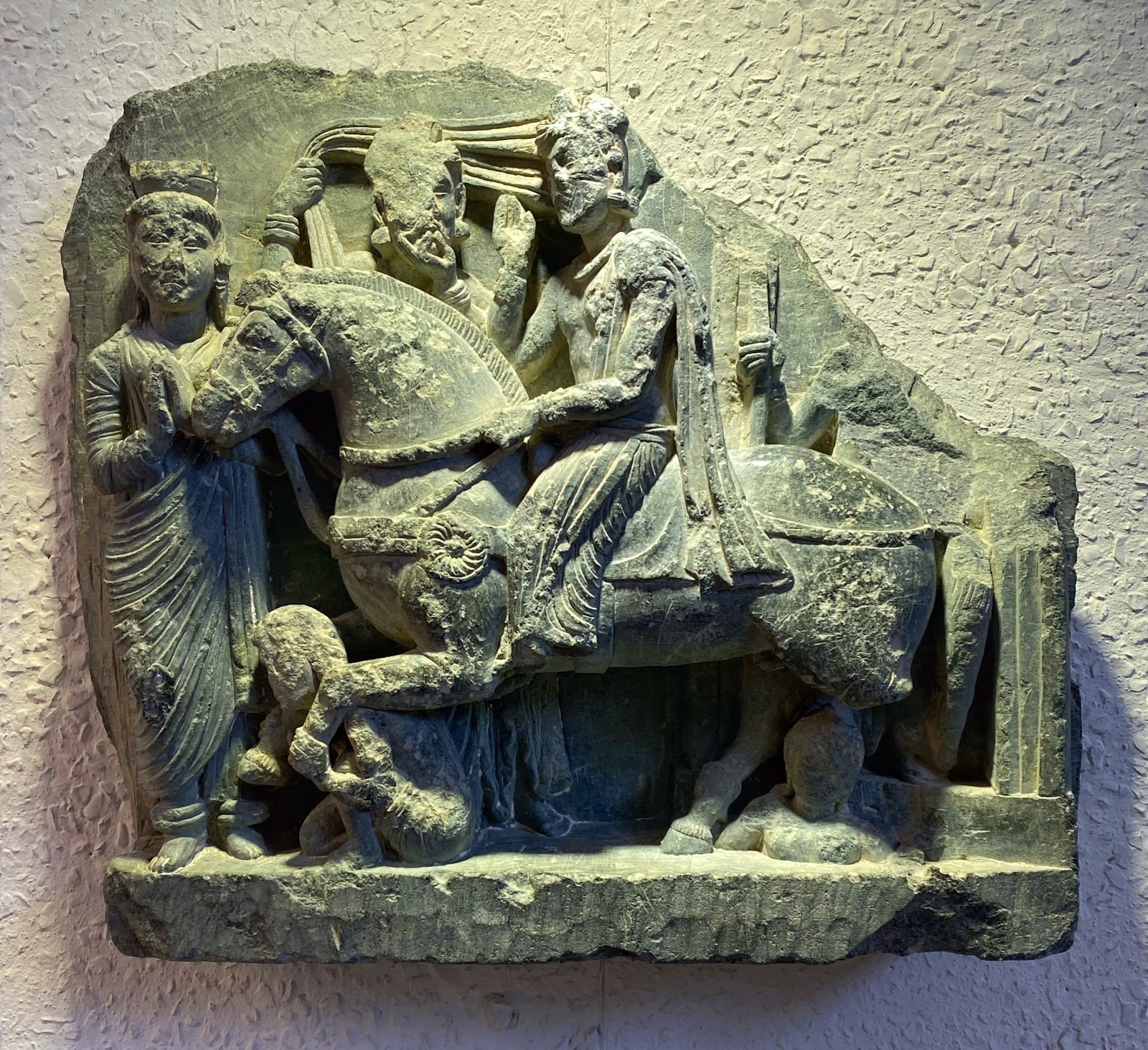
For travelers who want context, this is essential. It links sculpture, coins, daily objects, and state history into a readable story of the valley.
These locations give the culture page a stronger geographic anchor. Together they show royal heritage, Buddhist archaeology, museum collections, and living religious identity across the valley.
Royal HeritageThe best-known symbol of the Wali era, set in a cool hillside landscape south of Mingora.
MuseumThe strongest single stop for understanding Gandhara sculpture, royal-era memory, and the wider history of Swat.
Buddhist SiteA foundational archaeological site that shows why Swat mattered in the Buddhist world.
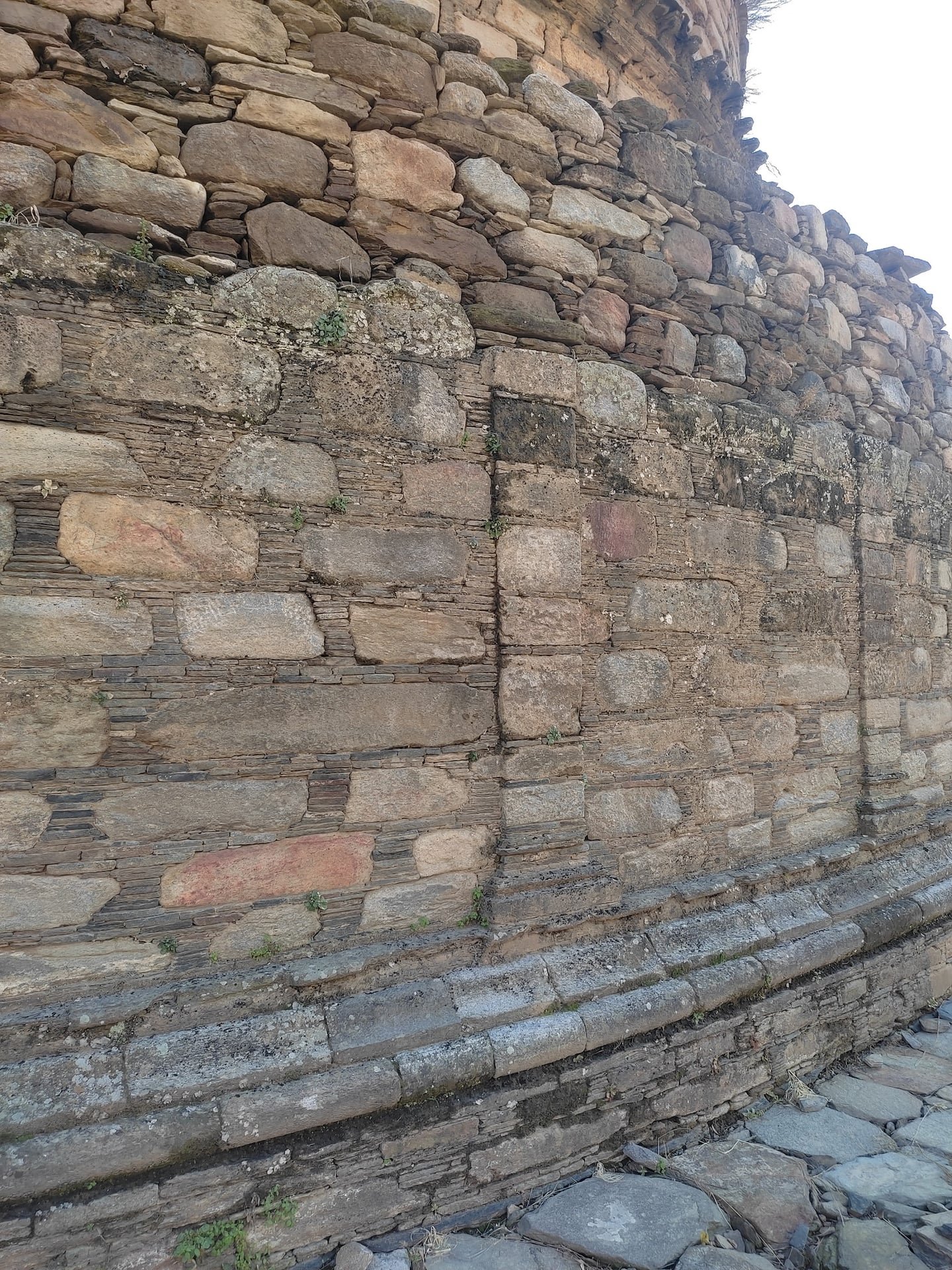 Buddhist Site
A major restored stupa that gives a clearer spatial feel of the valley’s ancient monastic landscape.
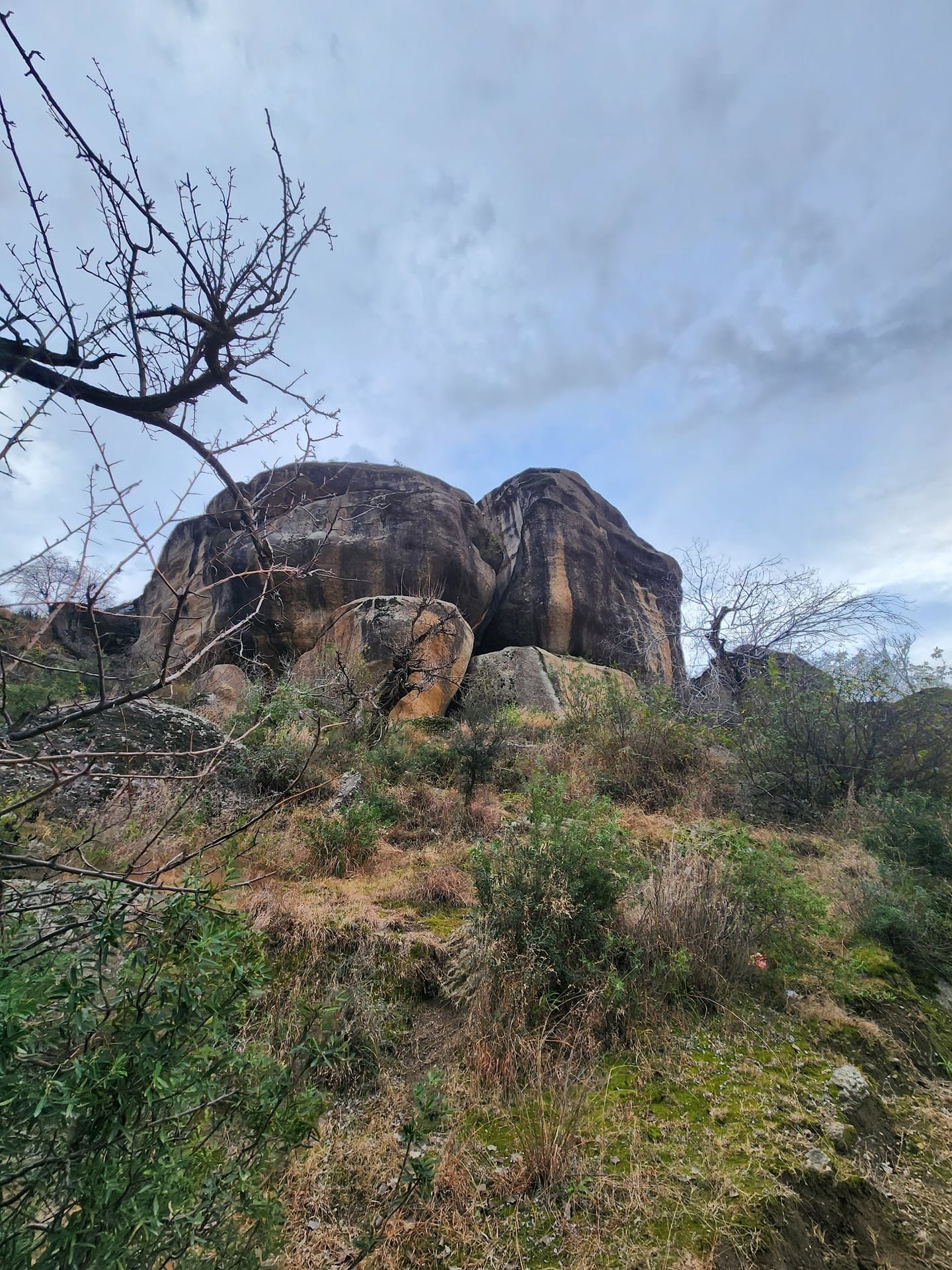 Rock Carving
A remarkable carved Buddha image on a rock face, important both for archaeology and for Swat’s cultural memory.
Islamic HeritageAn important reminder that Swat’s cultural story includes living Islamic identity alongside its archaeological past.
Swat culture is held together by more than tourism or scenery. It depends on family reputation, service to guests, respect for elders, care for language, attachment to place, and a strong sense that the valley carries historical dignity.
That is why the most accurate cultural reading of Swat includes both its proud public history and its ordinary private behavior. If you spend time in Marghazar, Mingora, Matta, Bahrain, or the smaller settlements beyond them, that becomes very clear.
Morning: Start at Swat Museum and nearby Buddhist heritage sites around Saidu Sharif.
Midday: Walk Mingora bazaar for shawls, dry fruit, bookshops, and tea stalls.
Afternoon: Drive to Marghazar and spend time at White Palace and the surrounding hillside area.
Evening: End with a family-style meal in Mingora or on the road back, where local dining culture is easiest to observe.