Discover SwatDiscover Swat
Swat Valley in Monsoon: What to Know Before You Travel
All articles
Seasonal 11 min read July 15, 2026 Discover Swat Editorial

Swat Valley in Monsoon: What to Know Before You Travel

A practical monsoon guide for Swat, including road risks, hotel planning, photography opportunities and the best areas to stay dry.

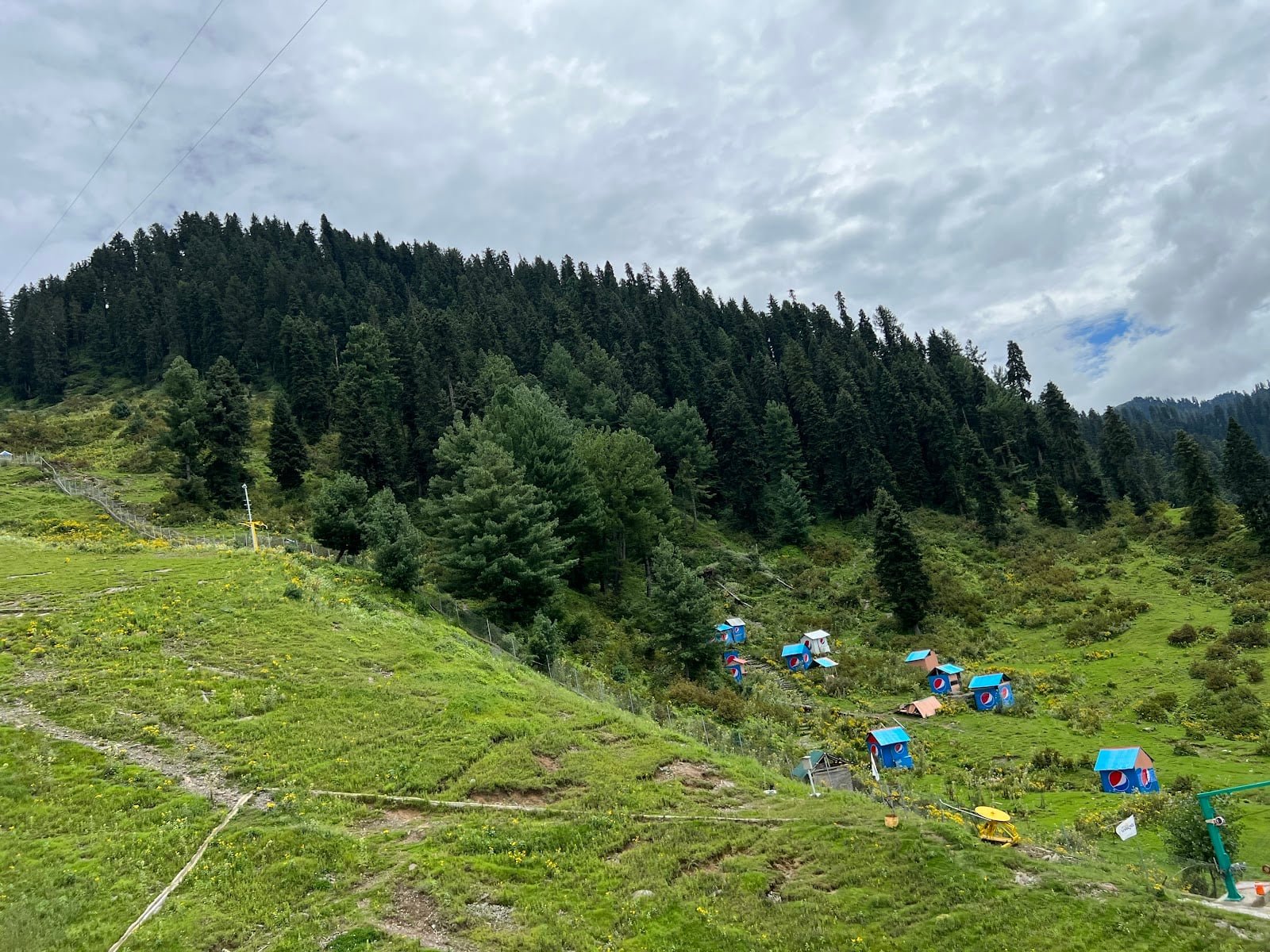
Swat Valley in Monsoon: What to Know Before You Travel related visual 1
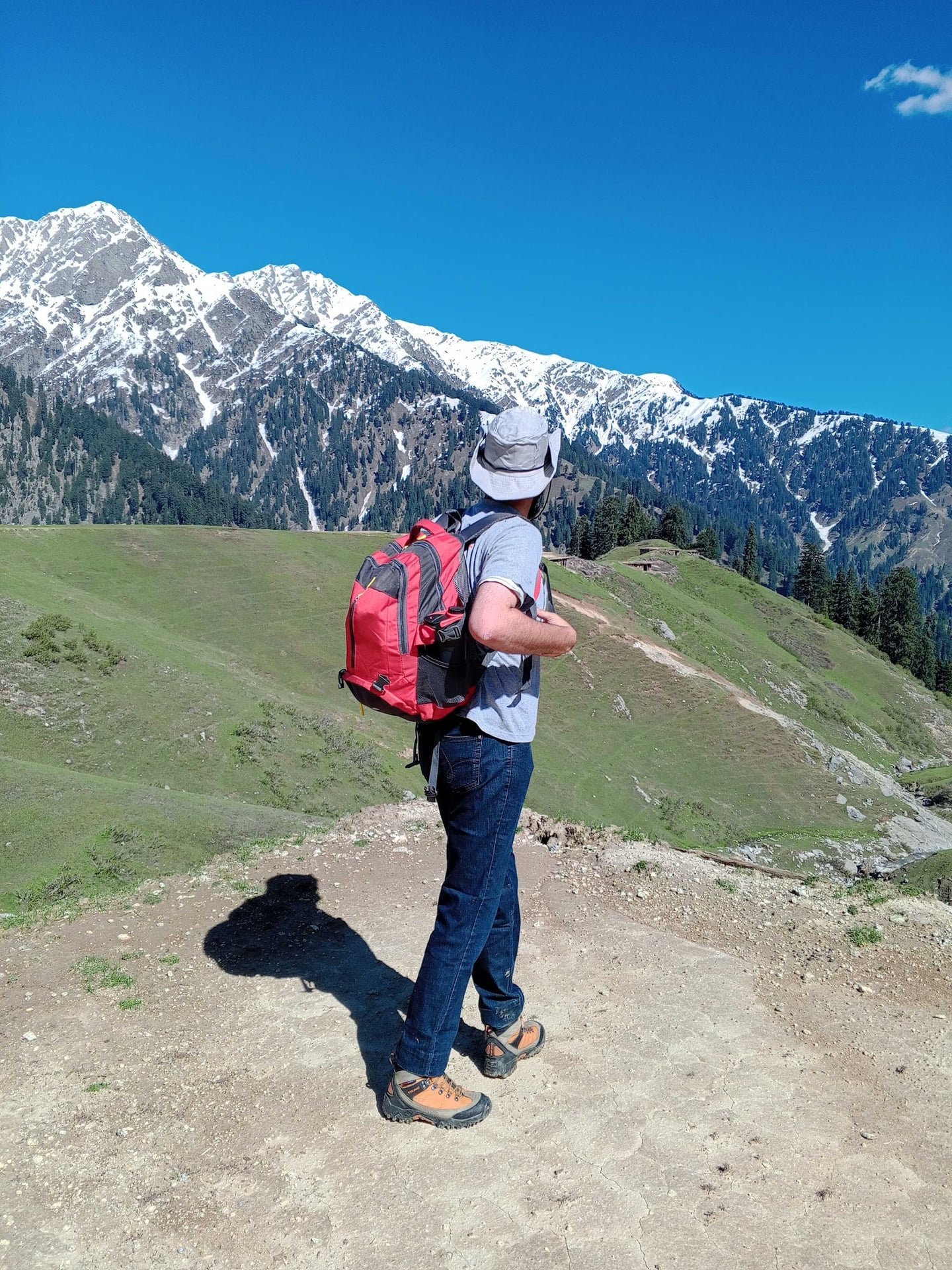
Swat Valley in Monsoon: What to Know Before You Travel related visual 2

What monsoon means in Swat

Monsoon in Swat usually affects the lower and middle valleys from late June through August, bringing afternoon rain, green hills and occasional road problems. It does not mean constant rain every day. Often the morning is clear, clouds build by afternoon, and showers or thunderstorms arrive later. The upper valleys can be lush and beautiful, but road risk increases.

Road risks

The biggest issue is landslides on the Mingora-Kalam road, especially between Bahrain and Kalam where the road hugs the river and slopes. After heavy rain, rocks and mud can come down suddenly. Always check with hotels for the latest road update. Avoid night driving in monsoon. Keep an extra day in your itinerary in case the road slows.

Best places to stay during monsoon

Mingora is the safest base because it has the largest hotels, hospitals and backup options if upper roads are affected. Bahrain is a good middle-ground base with riverside hotels and lower risk than Kalam. Kalam remains fine if you are comfortable with road uncertainty and you choose a strong hotel with backup power.

What to photograph in monsoon

Misty river scenes, rain-washed forests, clouds rolling over the ridges, and waterfalls with heavier flow. The Swat River turns dramatic after rain. Use rain protection on your camera, a polariser, and shoot from sheltered viewpoints rather than exposed ridges. Monsoon can produce spectacular landscapes if you are prepared.

What to pack

Rain jacket, waterproof shoes or boots, quick-dry clothes, umbrella, dry bags for electronics, power bank, wet wipes, extra socks, and plastic bags for wet clothing. If you are traveling with kids, bring entertainment for delay days. Avoid fabric that takes forever to dry — monsoon humidity is real.

Food and health

Wet weather can encourage bacteria growth, so choose hot, freshly cooked food. Avoid raw salads and street ice. Keep drinking bottled water. Carry ORS and basic medicines for diarrhea or dehydration. Even though it is raining, dehydration can still happen if you are moving and sweating in humid weather.

Best monsoon strategy

Shorten driving days, stay flexible and use Mingora as your home base. Do not overpack the itinerary. Keep one extra night unplanned. Treat monsoon as a mood, not an emergency. The weather can be beautiful and very photogenic if you respect the road conditions.

When to cancel

If there is a heavy rainfall warning, or if the hotel tells you the road has multiple slide points, postpone the upper valley drive. Safety beats stubbornness. Monsoon travel is best when flexible and patient, not when fixed to a rigid schedule.

Where monsoon is best

Mingora and Marghazar are usually easiest in rain. Miandam is often beautiful and cooler but still subject to showers. Kalam can be magical but only if the road is clear. Mahodand and Kundol are not suitable in active monsoon or after heavy rain because the jeep tracks become unsafe.

Final advice

Monsoon Swat is beautiful if you plan for it. Check weather, stay in quality hotels, travel in daylight and keep your itinerary light. If you want the safest monsoon experience, use Mingora as your main base and make day trips only when road reports are clear.

Planning details most travelers miss

Most travel friction in Swat comes from timing, not distance. The same route can feel easy or exhausting depending on start hour, road congestion, and weather windows. A practical strategy is to lock core movement windows early in the day, then keep flexible blocks for meals, short photo pauses, and weather-driven adjustments. This keeps your plan stable without becoming rigid. Road safety in Swat is mostly about daylight discipline. Keeping mountain segments in daylight lowers risk significantly and makes route decisions easier when conditions change. If weather turns or delays build up, stopping early in a known town is usually the best decision. Reaching one stop less is better than forcing a late-night arrival on unfamiliar roads.

How to adapt this plan by season

Accommodation choices have a direct effect on daily energy. A room with reliable heating, hot water, and low night noise gives better sleep and a stronger next day, especially for families and photographers waking before sunrise. It is usually smarter to pick slightly better comfort in one base town than to over-shift hotels every night and lose time in check-in transitions. Local etiquette improves travel outcomes in subtle ways. A respectful greeting, patient negotiation, and calm behavior in busy bazaars often lead to better cooperation from drivers, hotel staff, and shopkeepers. Small cultural awareness creates trust. That trust helps when you need route advice, schedule flexibility, or quick support in uncertain conditions.

Comfort and safety checklist

Food planning matters more in mountain travel than many visitors expect. Choose clean, high-turnover kitchens, request moderate spice when needed, and carry backup snacks for long road sections. Hydration is equally important. In cooler weather people drink less water and fatigue builds faster. Keeping a simple hydration rhythm improves mood, focus, and motion comfort during long curves. A useful final check is to separate essentials from optional items. Essentials include documents, medicines, cash buffer, charging backups, and weather layers. Optional items include extra stops and non-critical detours. When plans shift, protecting essentials first keeps the trip smooth. This simple prioritization method works for first-time tourists and repeat visitors alike.

Smarter route and budget decisions

Road safety in Swat is mostly about daylight discipline. Keeping mountain segments in daylight lowers risk significantly and makes route decisions easier when conditions change. If weather turns or delays build up, stopping early in a known town is usually the best decision. Reaching one stop less is better than forcing a late-night arrival on unfamiliar roads. For content creators and planners, document your route decisions each day. Note fuel points, traffic windows, and response times for support services. This helps you improve future trips and makes your recommendations more trustworthy for others. Swat rewards detailed planning with a better on-ground experience, especially when your schedule combines culture, food, and upper-valley movement.

Local etiquette and practical behavior

Local etiquette improves travel outcomes in subtle ways. A respectful greeting, patient negotiation, and calm behavior in busy bazaars often lead to better cooperation from drivers, hotel staff, and shopkeepers. Small cultural awareness creates trust. That trust helps when you need route advice, schedule flexibility, or quick support in uncertain conditions. Families and mixed-age groups should apply pace layering. Keep one anchor activity, one optional stop, and one recovery block each day. This prevents over-scheduling and reduces friction between travelers with different energy levels. The strongest itineraries are not the busiest ones, they are the plans that stay comfortable from morning to evening.

Final execution checklist

A useful final check is to separate essentials from optional items. Essentials include documents, medicines, cash buffer, charging backups, and weather layers. Optional items include extra stops and non-critical detours. When plans shift, protecting essentials first keeps the trip smooth. This simple prioritization method works for first-time tourists and repeat visitors alike. Most travel friction in Swat comes from timing, not distance. The same route can feel easy or exhausting depending on start hour, road congestion, and weather windows. A practical strategy is to lock core movement windows early in the day, then keep flexible blocks for meals, short photo pauses, and weather-driven adjustments. This keeps your plan stable without becoming rigid.

Planning details most travelers miss

For content creators and planners, document your route decisions each day. Note fuel points, traffic windows, and response times for support services. This helps you improve future trips and makes your recommendations more trustworthy for others. Swat rewards detailed planning with a better on-ground experience, especially when your schedule combines culture, food, and upper-valley movement. Accommodation choices have a direct effect on daily energy. A room with reliable heating, hot water, and low night noise gives better sleep and a stronger next day, especially for families and photographers waking before sunrise. It is usually smarter to pick slightly better comfort in one base town than to over-shift hotels every night and lose time in check-in transitions.

How to adapt this plan by season

Families and mixed-age groups should apply pace layering. Keep one anchor activity, one optional stop, and one recovery block each day. This prevents over-scheduling and reduces friction between travelers with different energy levels. The strongest itineraries are not the busiest ones, they are the plans that stay comfortable from morning to evening. Food planning matters more in mountain travel than many visitors expect. Choose clean, high-turnover kitchens, request moderate spice when needed, and carry backup snacks for long road sections. Hydration is equally important. In cooler weather people drink less water and fatigue builds faster. Keeping a simple hydration rhythm improves mood, focus, and motion comfort during long curves.

Frequently asked questions

Is Swat good in monsoon?+

Yes, but only with flexible planning and careful road checks. The scenery is lush and beautiful.

Which area is safest in Swat during rain?+

Mingora, then Bahrain. Kalam depends on road status.

Are landslides common on the Kalam road?+

They can happen during heavy rain, especially on the Bahrain-Kalam stretch.

Can I visit Mahodand in monsoon?+

Only if weather and road conditions are confirmed safe. Heavy rain can make the jeep track unsafe.

What should I pack for monsoon Swat?+

Rain jacket, waterproof shoes, dry bags, extra socks, umbrella and quick-dry clothes.

Should I drive at night in monsoon?+

No. Avoid night driving on mountain roads during rain.

TopicsMonsoonrainy seasonroad safetyweather

Plan your visit to Swat

Read our complete travel guide before you head out.