Exact temperature ranges, rain pattern and a smart packing list for visiting Swat Valley in May. Plan a comfortable spring trip with this guide.
Why May is a great month for Swat
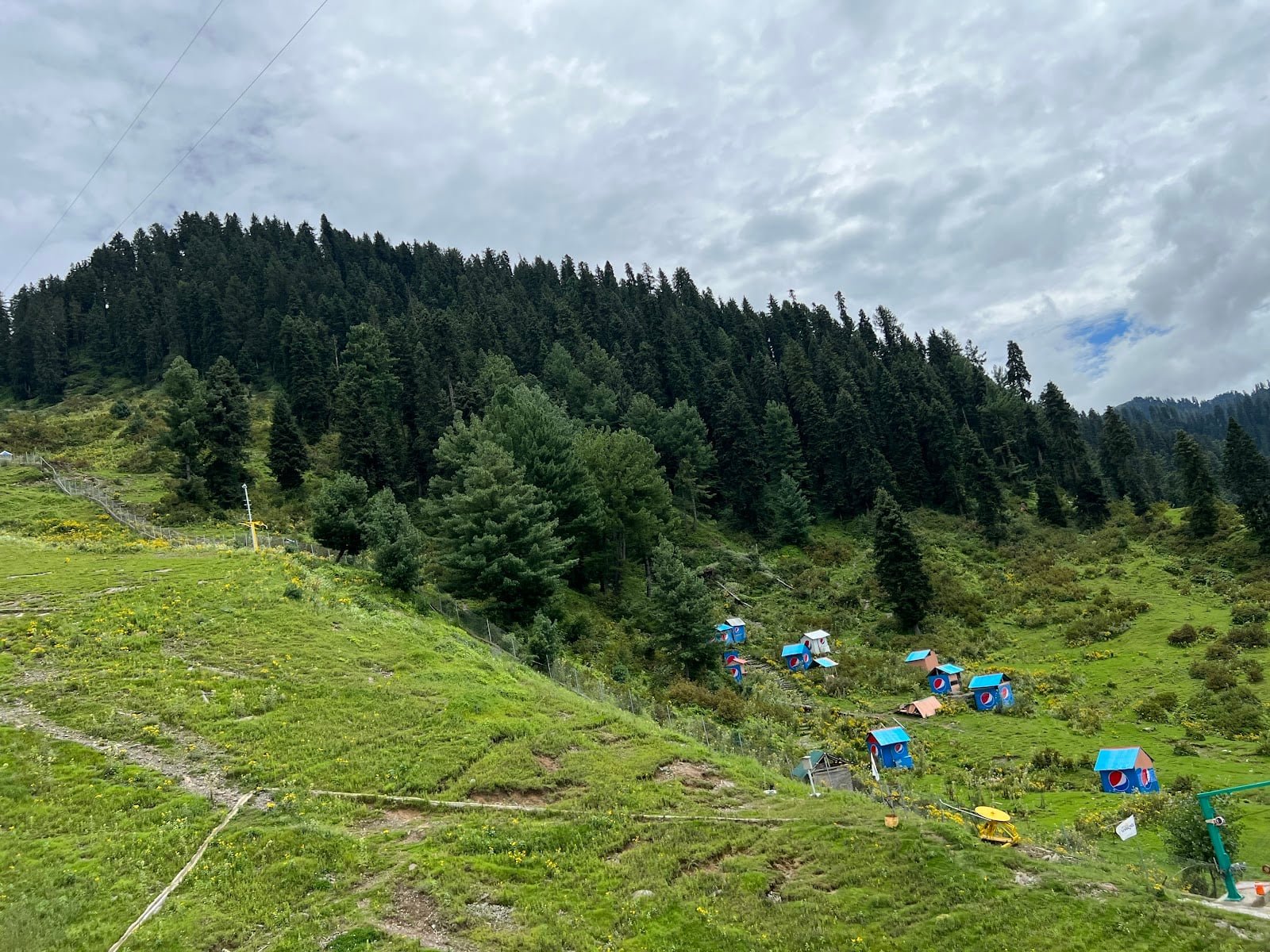
May is one of the most underrated months to visit Swat. The harsh winter cold has retreated, summer crowds have not yet peaked, hotels are easier to book, and the meadows in the lower and middle valleys are bright green. The Kalam road is fully open, the Mahodand jeep track usually reopens around mid-May, and apple, peach and pear blossoms in the middle valleys are at their best in early May.
Temperature ranges in May
Mingora (980 m): 14°C to 28°C. Bahrain (1,400 m): 10°C to 24°C. Kalam (2,000 m): 5°C to 20°C. Malam Jabba (2,600 m): 3°C to 17°C. Mahodand and Kundol (above 2,800 m): 0°C to 14°C, with cold nights and possible morning frost. Days are warm and sunny in the lower valleys, evenings are cool, and nights at higher altitudes still require a warm jacket.
Rain pattern in May
May has occasional spring showers, usually in the afternoons. Expect 4 to 7 rainy days in the month, with light to moderate rain that clears within a few hours. Heavy monsoon rain does not arrive until late June. Most days in May are bright sunshine in the morning with a chance of clouds building up in the afternoon. Check the forecast for the day of arrival; plan outdoor activity in the mornings.
Best places to visit in May
Bahrain and Madyan for spring greenery and apple blossoms. Kalam for cool weather and clear river views. Malam Jabba once snow has melted (usually fully clear from mid-May). White Palace Marghazar for blooming gardens. Miandam for cool, quiet pine forest walks. Mahodand if you visit after May 15. Confirm the jeep track is open with your hotel in Kalam.
Smart packing list
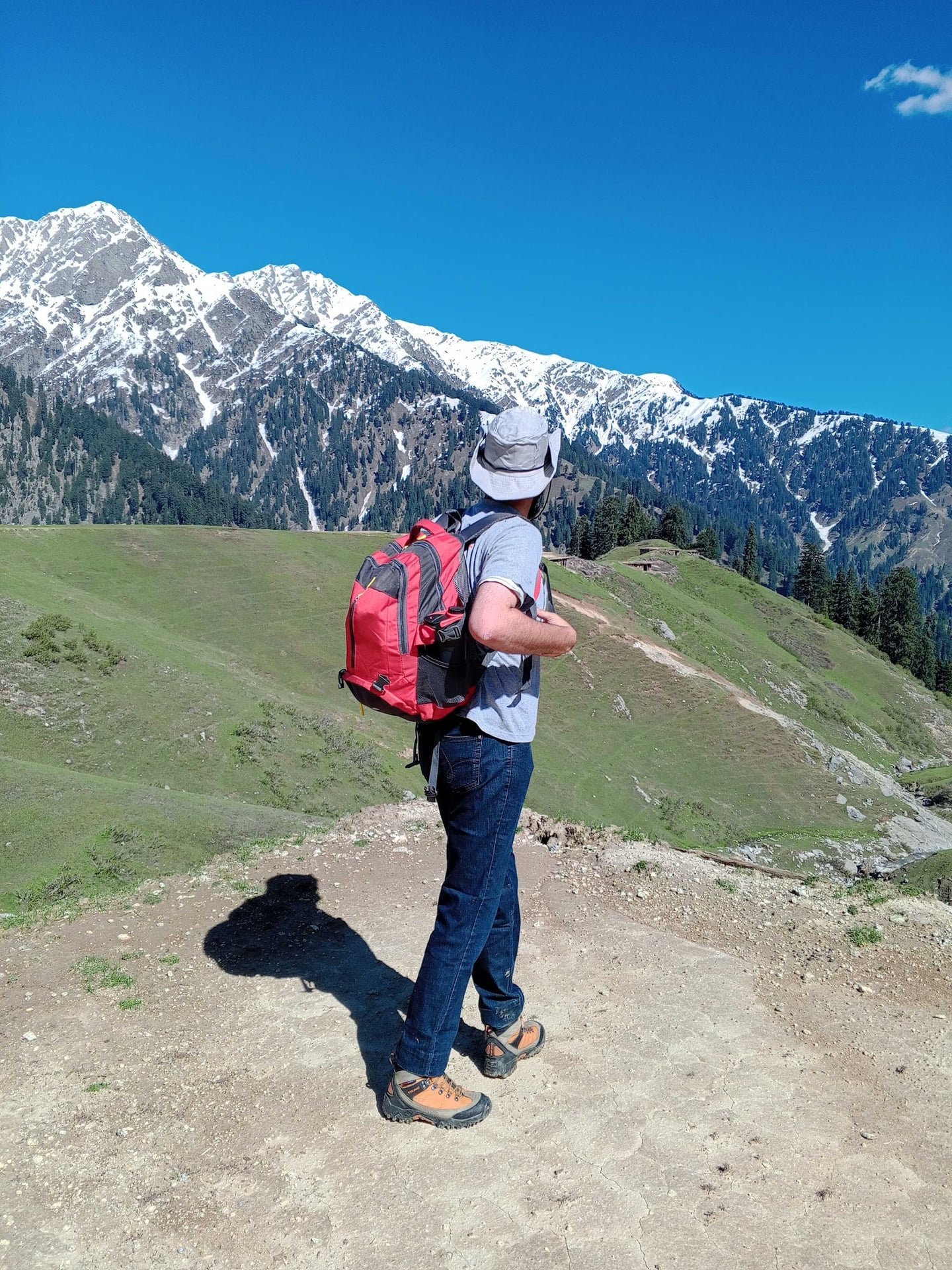
Cotton T-shirts and light shirts for daytime. One warm fleece or light puffer for evenings. A waterproof shell jacket for afternoon showers. Comfortable walking shoes with grip. One pair of slip-ons for hotel and bazaar. A sun cap, sunglasses, sunscreen SPF 30+, lip balm. A scarf for women who wish to cover. A small umbrella. A reusable water bottle. A power bank. Basic first-aid items.
What to wear day by day
Mingora and Bahrain: full sleeve shirt and trousers, light fleece for evening. Kalam: full sleeve shirt, fleece in evening, jacket for night. Malam Jabba: layered top, jacket, jeans. Above 2,500 m (Mahodand, Kundol): thermal inner, fleece, full jacket, beanie at sunrise. Always carry a foldable rain jacket regardless of where you are going, May weather changes fast.
Photography conditions in May
May offers some of the best photography conditions of the year. Clear air, blooming flowers, snow still visible on the high peaks. Best hours are sunrise (5:30 to 7:00 am) and the last two hours before sunset. Avoid harsh midday light for landscapes. The Swat River runs slightly fuller in May than in late summer, beautiful for long-exposure photos with a polarising filter.
Hotel availability and prices in May
May falls in the off-peak months. Hotels in Kalam, Bahrain and Malam Jabba are widely available, often at 20 to 40 percent off peak July rates. Walk-in rates are negotiable, Weekends in late May start to fill up. Book at least a few days ahead for popular hotels like a hillside guesthouse, riverside restaurants, the main resort at Malam Jabba and a well-run hotel in Saidu Sharif. The earlier in May you go, the better the rates.
Driving conditions in May
Islamabad to Mingora motorway runs smoothly. The mountain road from Mingora to Kalam is clear and dry most of the month. Watch for small landslides after rain showers on the Bahrain to Kalam stretch. The Mahodand jeep track is closed until mid-May in most years. Confirm before planning your trip. Always carry a spare tyre, basic tools and full fuel.
A 5-day May itinerary
Day 1 Islamabad to Mingora, evening Fizagat Park. Day 2 Mingora to Malam Jabba day trip, return to Mingora. Day 3 Mingora to Kalam via Bahrain. Day 4 Kalam to Mahodand (if track open) or to Ushu Forest walk. Day 5 Kalam to Islamabad with a brief stop at Marghazar White Palace.
Frequently asked questions
Is May a good time to visit Swat?+
Yes. , May is off-peak months. Pleasant temperatures, blooming spring, fewer crowds and easier hotel availability.
How cold is Kalam in May?+
Nights drop to 5°C and days warm to about 20°C. Pack a warm jacket for evenings.
Does Mahodand jeep track open in May?+
Usually around mid-May, depending on snowmelt. Confirm with hotels in Kalam before planning.
Does it rain in Swat in May?+
Light to moderate spring showers occur on 4 to 7 days in the month, usually in the afternoons.
What clothes for Swat in May?+
Layered clothing. Light cotton for day, fleece for evening, full jacket for higher altitudes and nights.
Is Malam Jabba snow-free in May?+
Usually yes, from mid-May onwards. Higher slopes can still have patches of snow.
Ready when you are
Make Swat feel easy
Dates, hotels, jeep rates, or the best base town — get a clear local answer before you book.