Month-by-month snow expectations for Malam Jabba, Kalam, Miandam and Bahrain in 2026, plus a practical snow trip plan and packing list.
Swat snow season overview
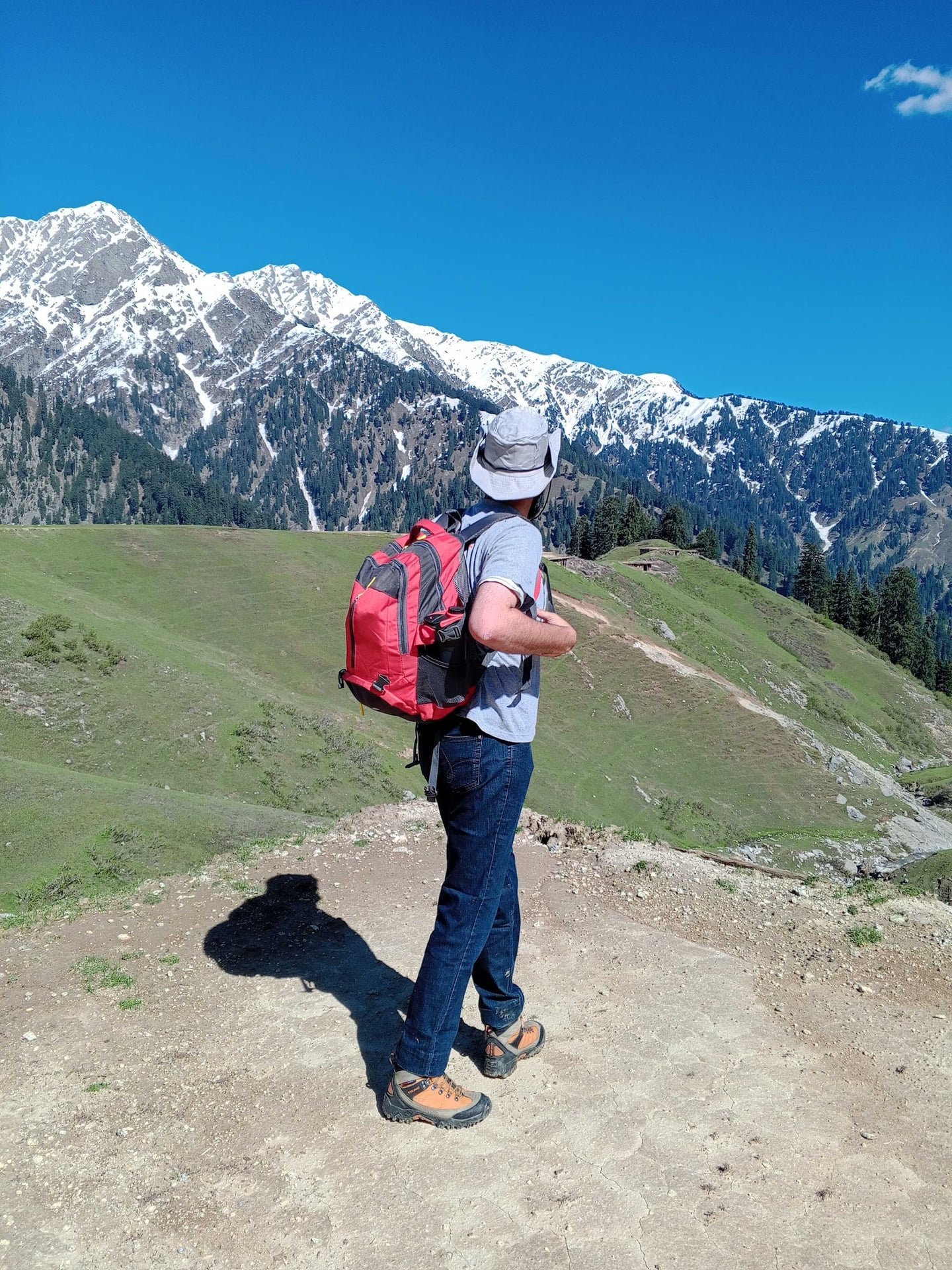
Swat receives its first proper snow on the high peaks like Falak Sar and Mankial in late October. The first lowland snowfall usually arrives at Malam Jabba between mid-November and early December. Heavy snow continues across December, January and February with shoulder snowfall events in early March. By April, most lower areas are clear of snow but Falak Sar and Kundol slopes stay white into June.
Malam Jabba: the most reliable snow spot
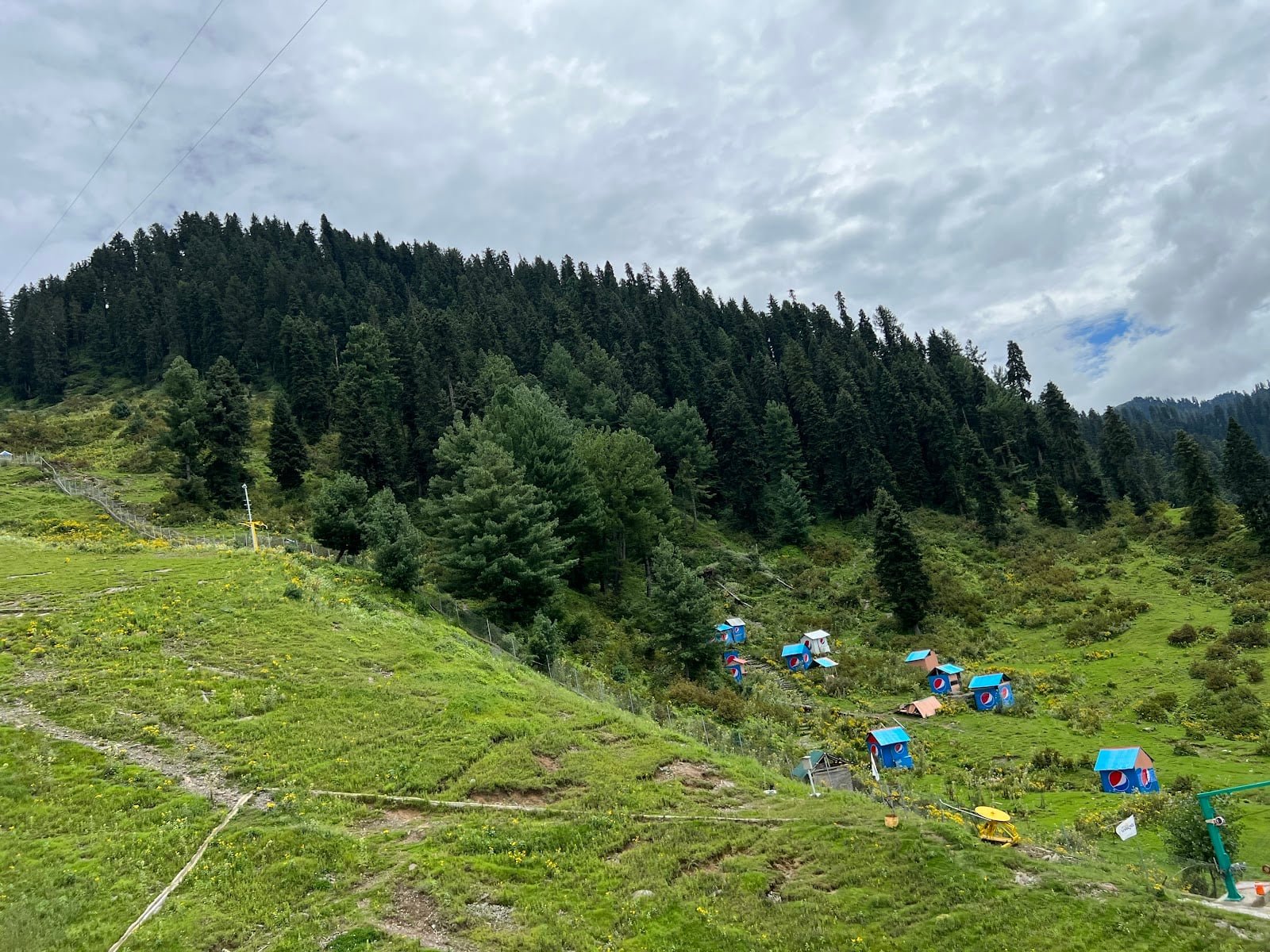
At 2,600 meters, Malam Jabba is the easiest and most reliable snow location in Swat. The ski resort area gets 1 to 2 meters of snow across December through February. The chairlift operates on most clear days. Snow play, sledding, skiing lessons and chairlift rides are all on offer. Best snow density is usually mid-December to early February. After heavy storms, the access road from Khwazakhela can close for one to two days until it is cleared.
Kalam, Bahrain and Madyan in winter
Kalam (2,000 m) gets reliable snow from late December through February. Streets become snowy, hotels run heaters and the air is crisp. Bahrain and Madyan get lighter snow that often melts within a few days. The road from Mingora to Kalam stays open in mild winters but can close briefly after heavy snowstorms. Always check the road status the morning of departure during peak winter.
Miandam snow scene
Miandam at 1,800 m is one of the prettiest snow spots in Swat, with deodar forest covered in white and very few crowds. The road branches off the main Mingora to Kalam road near Khwazakhela. Snow at Miandam is reliable in late December through February. a government-run motel and a few small guest houses operate year-round. Pack warm. Miandam nights drop well below zero.
Mingora and Saidu Sharif
Mingora itself (980 m) usually does not get snow. Once every few years a light dusting occurs. If you specifically want snow. Do not stay only in Mingora. Plan to drive up to Malam Jabba, Miandam or Kalam for the snow experience and return to Mingora for the night if you want warmer rooms.
Month-by-month snow plan for 2026
November: light dustings on Malam Jabba peaks, rare in town. December: first heavy snow at Malam Jabba mid-month, Kalam by month-end. January: peak snow everywhere in upper Swat including ski operations at Malam Jabba. February: still strong snow, ideal for serious winter trips. March: melting begins in Kalam and Miandam but peaks stay white, April: shoulder snow on Falak Sar only, lower valleys are green.
Best snow weekend plan from Islamabad
Day 1: Leave Islamabad by 6:00 am, reach Khwazakhela by 12:30 pm, fork off to Malam Jabba, reach by 2:00 pm, snow play in the afternoon. Overnight at the main resort at Malam Jabba. Day 2: Chairlift in the morning, ski slope walk and snow photography until 11:00 am, then drive back via Mingora bazaar and reach Islamabad by 10:00 pm.
Snow safety on the road
Use a vehicle with good winter tyres and ABS. Carry snow chains for late December to February. Drive only in daylight on snow days. Maintain double the normal following distance. Avoid sharp braking on downhill turns. If snow is falling heavily, pull into the nearest hotel and wait. Do not push through. Inform someone of your route and expected arrival time, network coverage drops in heavy snowfall.
What to pack for a Swat snow trip
Heavy waterproof jacket, thermal inner layers, woollen socks, waterproof boots, gloves, beanie or fur cap, scarf, sunglasses for snow glare, lip balm, moisturizer, hand warmers, power bank, basic medicines. For photographers: spare batteries. Cold drains them fast, and a microfibre cloth to wipe lens condensation. Carry a flask of hot water or tea for the road.
Hotels that handle winter best
the main resort at Malam Jabba: best-in-class heating, ski-in access, premium dining. a hillside guesthouse Kalam: wooden cabins, good gas heaters, riverside restaurants Kalam: river-facing rooms with heaters. Honeymoon Hotel Kalam: budget winter option. PTDC Miandam: small but quiet. Always confirm heating before you book in December and January, some budget hotels only switch on heaters on request and may charge extra.
Frequently asked questions
When does it snow in Swat in 2026?+
First lowland snow usually arrives at Malam Jabba between mid-November and early December. Heavy snow runs December through February.
Best snow destination in Swat?+
Malam Jabba is the most reliable and easiest snow trip. Miandam and Kalam are quieter, scenic alternatives.
Does it snow in Mingora?+
Rarely. Mingora is at 980 m and usually only gets a light dusting once every few years.
Is the road to Kalam open in winter?+
Usually yes, but it can close briefly after heavy storms. Always check road status the morning of travel during December to February.
Can I go skiing in Swat?+
Yes. Malam Jabba ski resort has slopes, a chairlift and ski lessons during snow season.
Do I need chains for Swat snow trip?+
For peak winter trips to Malam Jabba, Miandam or Kalam, snow chains are strongly recommended along with winter tyres.
Ready when you are
Make Swat feel easy
Dates, hotels, jeep rates, or the best base town — get a clear local answer before you book.