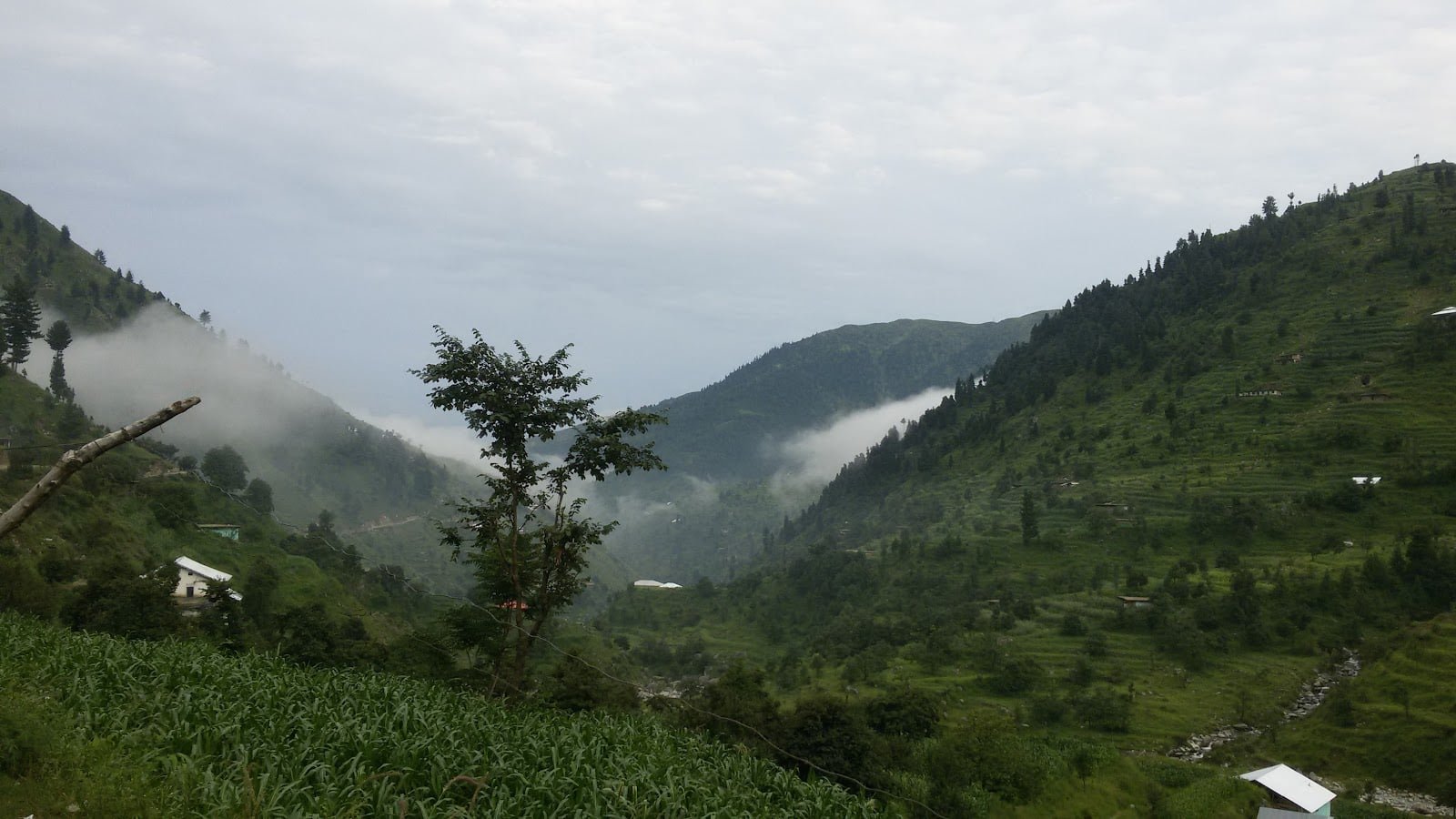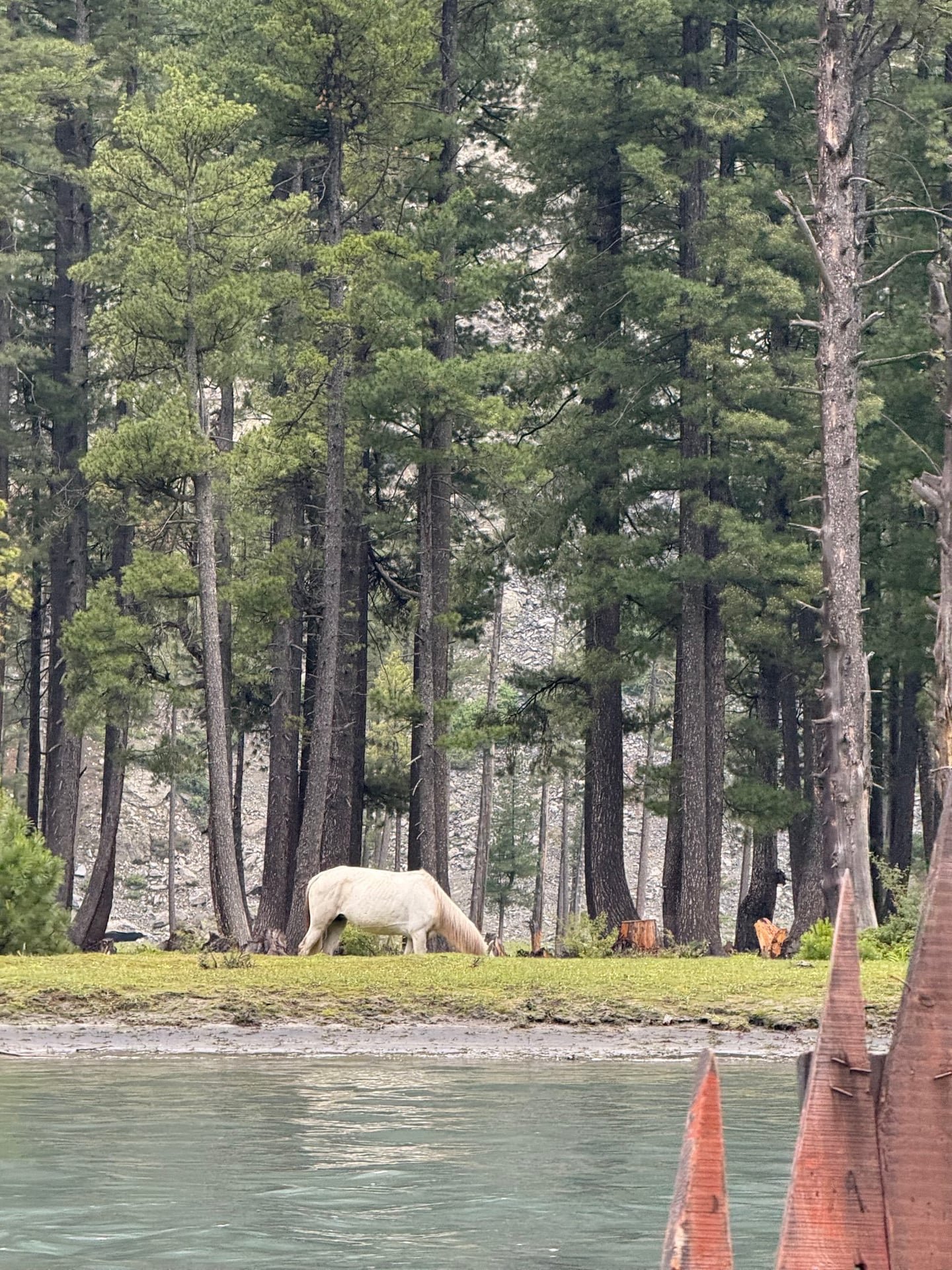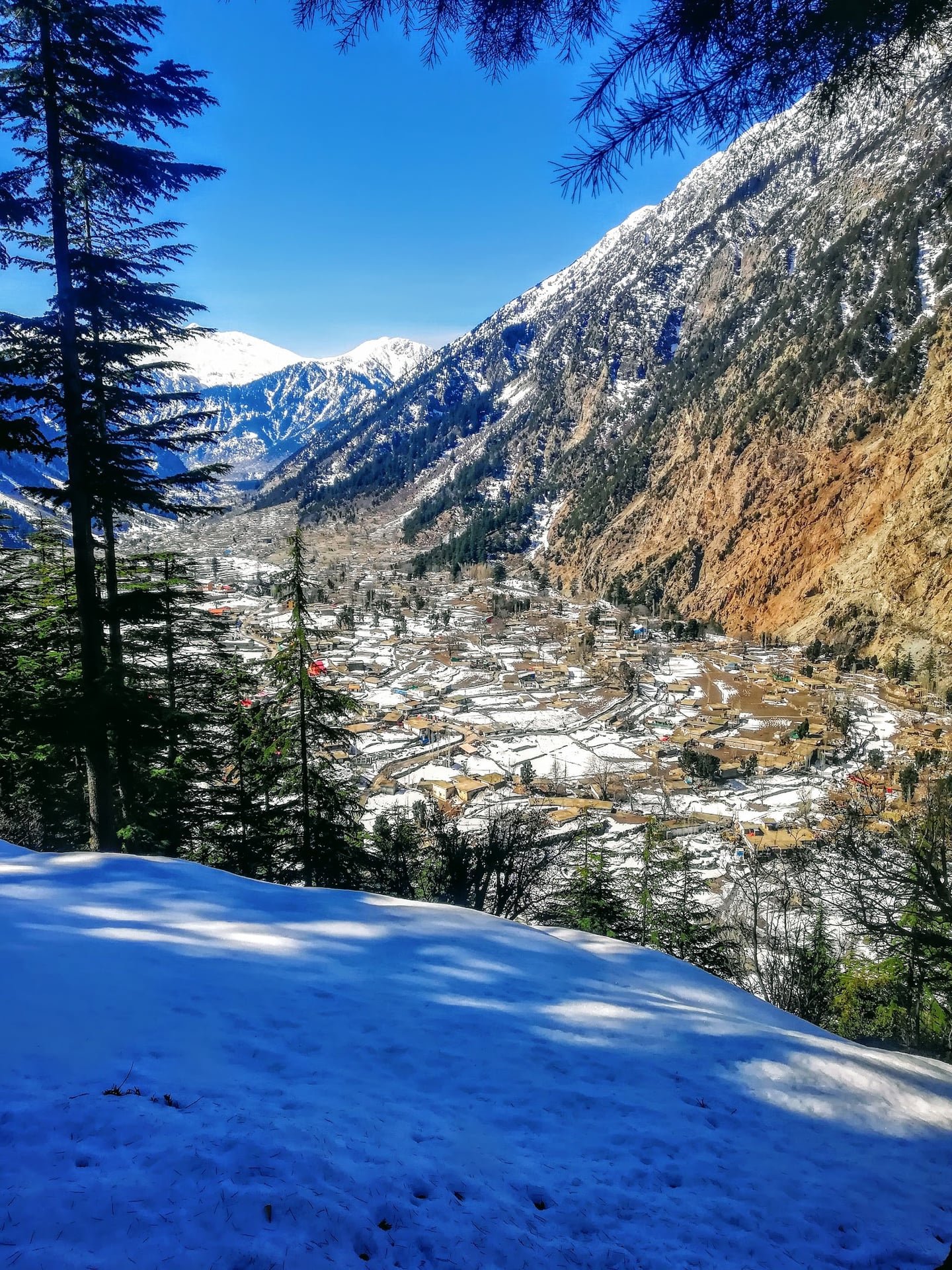
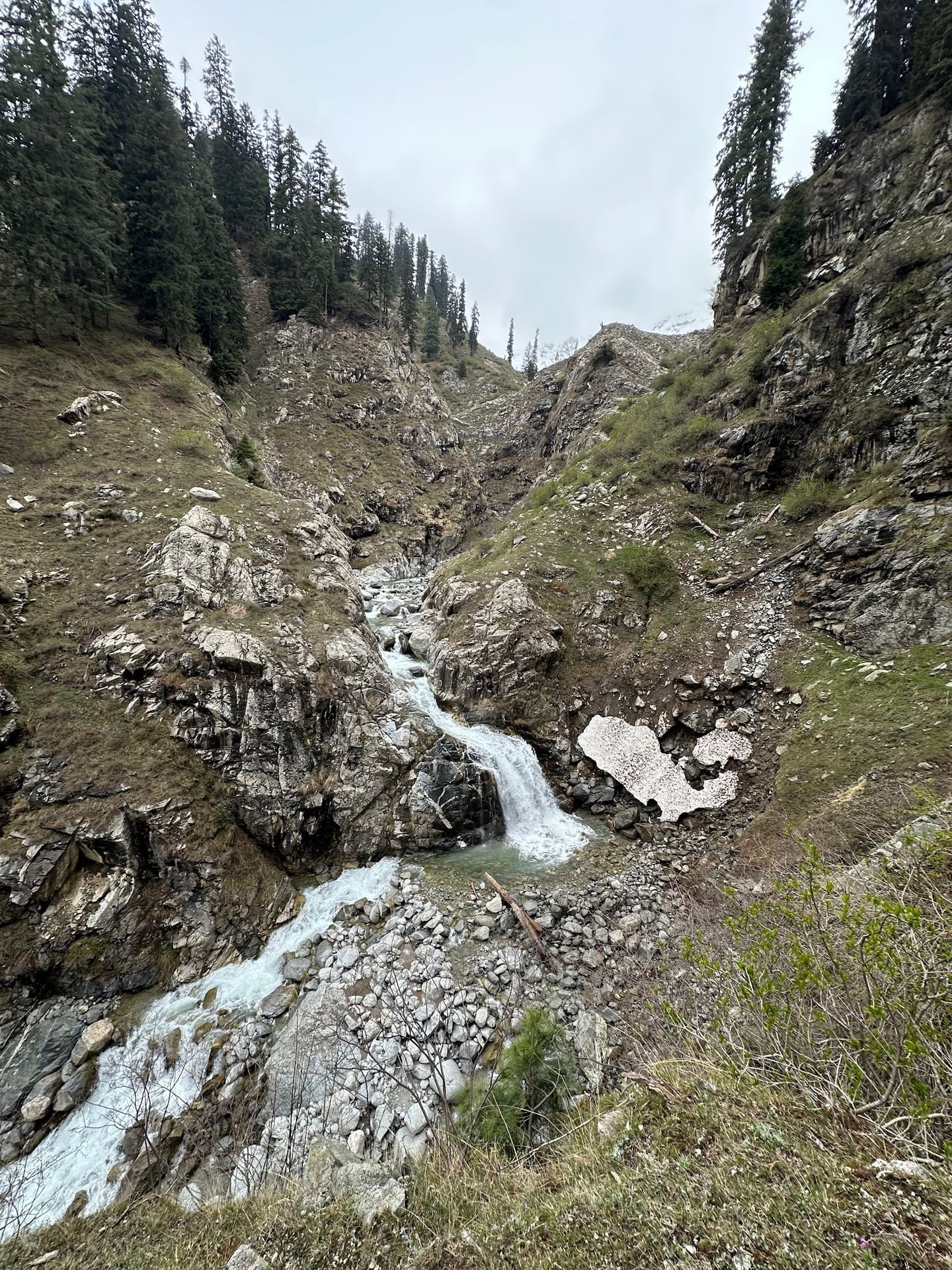
For seasoned hikers only: longer, quieter Swat treks with real mountain terrain, camping options, route notes and safety advice.


Who this is for
These hikes are for experienced trekkers who already know how to manage altitude, weather changes, long days, and self-sufficient camping. They are not for casual tourists. If you have only done short walks and jeep day trips, stay on easier routes first. If you have experience in the Karakoram, Hindu Kush or Himalaya, these Swat routes will feel rewarding.
Kundol Lake full trek
The full trek from Utror to Kundol Lake is a solid first serious route in upper Swat: 7 to 9 km one way, 4 to 5 hours uphill with a steady elevation gain. The scenery is excellent, and camping above the lake gives you sunrise and sunset views. Best June through September. A guide is recommended for first-timers on this route.
Daral Lake from Bahrain
The Daral Lake trail is steeper and more strenuous than Kundol. The first section climbs through forest and then open ridge. Total hike time can be 5 to 7 hours one way depending on pace and pack weight. This is a classic two-day trek with camping near the lake. It requires strong knees and solid boots.
Falak Sar base approach
The base approach toward Falak Sar is for serious trekkers and mountaineers only. Multi-day approach, glacial terrain, and high altitude. Never attempt without acclimatization, a guide and proper gear. Base camp logistics are best arranged through registered outfitters in Islamabad or a very trusted local network.
Gabral valley traverses
Gabral is a strong option for multi-day quiet trekking and camping. The valley is less developed, trails are rough, and navigation matters. Bring a local guide and be fully self-sufficient. The reward is huge: empty meadows, river crossings and a true wilderness feel.
Mankial vicinity
The Mankial range offers challenging ridge walks and high alpine scenery on the far side of upper Swat. These are better suited to climbers and local teams who know the terrain. Weather windows are narrow. Expect rough access and fewer facilities. This is not a casual add-on to a family holiday.
What to carry
Mountaineering boots, rain shell, insulated jacket, sleeping bag, tent, stove, fuel, map, GPS, power bank, headlamp, water filter, high-energy food, spare socks, gloves, first-aid kit, blister care, sun protection and a satellite messenger if possible. Self-sufficiency is the rule on these routes.
Fitness and altitude
You need stamina. Plan to walk 5 to 8 hours a day for several days if you are on a multi-day route. Sleep high only after proper acclimatization. Above 2,500 m, hydration and pace matter. Headache or nausea are warning signs, not inconveniences. Descend if needed.
Hiring guides and porters
Local guides know route variants, water points and the latest weather. Porters can make a huge difference on overnight camps. Pay fair rates, agree on weight, food and schedule in advance, and treat them as part of the team. A good guide is worth far more than the small extra fee.
Leave-no-trace ethics
Carry out all trash, stay on the existing trail where possible, avoid washing in streams with soap, and never leave food scraps at camp. The high valleys are ecologically fragile. A clean camp site is part of being a serious trekker.
Planning details most travelers miss
Most travel friction in Swat comes from timing, not distance. The same route can feel easy or exhausting depending on start hour, road congestion, and weather windows. A practical strategy is to lock core movement windows early in the day, then keep flexible blocks for meals, short photo pauses, and weather-driven adjustments. This keeps your plan stable without becoming rigid. Road safety in Swat is mostly about daylight discipline. Keeping mountain segments in daylight lowers risk significantly and makes route decisions easier when conditions change. If weather turns or delays build up, stopping early in a known town is usually the best decision. Reaching one stop less is better than forcing a late-night arrival on unfamiliar roads.
How to adapt this plan by season
Accommodation choices have a direct effect on daily energy. A room with reliable heating, hot water, and low night noise gives better sleep and a stronger next day, especially for families and photographers waking before sunrise. It is usually smarter to pick slightly better comfort in one base town than to over-shift hotels every night and lose time in check-in transitions. Local etiquette improves travel outcomes in subtle ways. A respectful greeting, patient negotiation, and calm behavior in busy bazaars often lead to better cooperation from drivers, hotel staff, and shopkeepers. Small cultural awareness creates trust. That trust helps when you need route advice, schedule flexibility, or quick support in uncertain conditions.
Comfort and safety checklist
Food planning matters more in mountain travel than many visitors expect. Choose clean, high-turnover kitchens, request moderate spice when needed, and carry backup snacks for long road sections. Hydration is equally important. In cooler weather people drink less water and fatigue builds faster. Keeping a simple hydration rhythm improves mood, focus, and motion comfort during long curves. A useful final check is to separate essentials from optional items. Essentials include documents, medicines, cash buffer, charging backups, and weather layers. Optional items include extra stops and non-critical detours. When plans shift, protecting essentials first keeps the trip smooth. This simple prioritization method works for first-time tourists and repeat visitors alike.
Smarter route and budget decisions
Road safety in Swat is mostly about daylight discipline. Keeping mountain segments in daylight lowers risk significantly and makes route decisions easier when conditions change. If weather turns or delays build up, stopping early in a known town is usually the best decision. Reaching one stop less is better than forcing a late-night arrival on unfamiliar roads. For content creators and planners, document your route decisions each day. Note fuel points, traffic windows, and response times for support services. This helps you improve future trips and makes your recommendations more trustworthy for others. Swat rewards detailed planning with a better on-ground experience, especially when your schedule combines culture, food, and upper-valley movement.
Local etiquette and practical behavior
Local etiquette improves travel outcomes in subtle ways. A respectful greeting, patient negotiation, and calm behavior in busy bazaars often lead to better cooperation from drivers, hotel staff, and shopkeepers. Small cultural awareness creates trust. That trust helps when you need route advice, schedule flexibility, or quick support in uncertain conditions. Families and mixed-age groups should apply pace layering. Keep one anchor activity, one optional stop, and one recovery block each day. This prevents over-scheduling and reduces friction between travelers with different energy levels. The strongest itineraries are not the busiest ones, they are the plans that stay comfortable from morning to evening.
Final execution checklist
A useful final check is to separate essentials from optional items. Essentials include documents, medicines, cash buffer, charging backups, and weather layers. Optional items include extra stops and non-critical detours. When plans shift, protecting essentials first keeps the trip smooth. This simple prioritization method works for first-time tourists and repeat visitors alike. Most travel friction in Swat comes from timing, not distance. The same route can feel easy or exhausting depending on start hour, road congestion, and weather windows. A practical strategy is to lock core movement windows early in the day, then keep flexible blocks for meals, short photo pauses, and weather-driven adjustments. This keeps your plan stable without becoming rigid.
Planning details most travelers miss
For content creators and planners, document your route decisions each day. Note fuel points, traffic windows, and response times for support services. This helps you improve future trips and makes your recommendations more trustworthy for others. Swat rewards detailed planning with a better on-ground experience, especially when your schedule combines culture, food, and upper-valley movement. Accommodation choices have a direct effect on daily energy. A room with reliable heating, hot water, and low night noise gives better sleep and a stronger next day, especially for families and photographers waking before sunrise. It is usually smarter to pick slightly better comfort in one base town than to over-shift hotels every night and lose time in check-in transitions.
How to adapt this plan by season
Families and mixed-age groups should apply pace layering. Keep one anchor activity, one optional stop, and one recovery block each day. This prevents over-scheduling and reduces friction between travelers with different energy levels. The strongest itineraries are not the busiest ones, they are the plans that stay comfortable from morning to evening. Food planning matters more in mountain travel than many visitors expect. Choose clean, high-turnover kitchens, request moderate spice when needed, and carry backup snacks for long road sections. Hydration is equally important. In cooler weather people drink less water and fatigue builds faster. Keeping a simple hydration rhythm improves mood, focus, and motion comfort during long curves.
Frequently asked questions
Are these hikes beginner-friendly?+
No. They are for experienced trekkers with good fitness and mountain awareness.
Best first serious trek in Swat?+
Kundol Lake from Utror is a good first step if you are already fit.
Do I need a guide?+
Highly recommended for Daral, Gabral and anything near Falak Sar or Mankial.
Best season for advanced Swat treks?+
June to September. Early autumn is especially good.
Can I camp on these treks?+
Yes, on suitable meadows or approved sites, with full self-sufficiency.
Do I need mountaineering permits?+
For technical climbing routes and high peaks, yes. For standard treks, local registration and guide coordination are usually enough.