Discover SwatDiscover Swat
Jarogo Waterfall Hike: Distance, Difficulty and Complete Visitor Guide
All articles
Adventure 11 min read April 30, 2026 Discover Swat Editorial

Jarogo Waterfall Hike: Distance, Difficulty and Complete Visitor Guide

Practical guide to hiking Jarogo Waterfall near Beha, around 20 km from Matta, with exact distance, fitness level, best season, and photo tips.

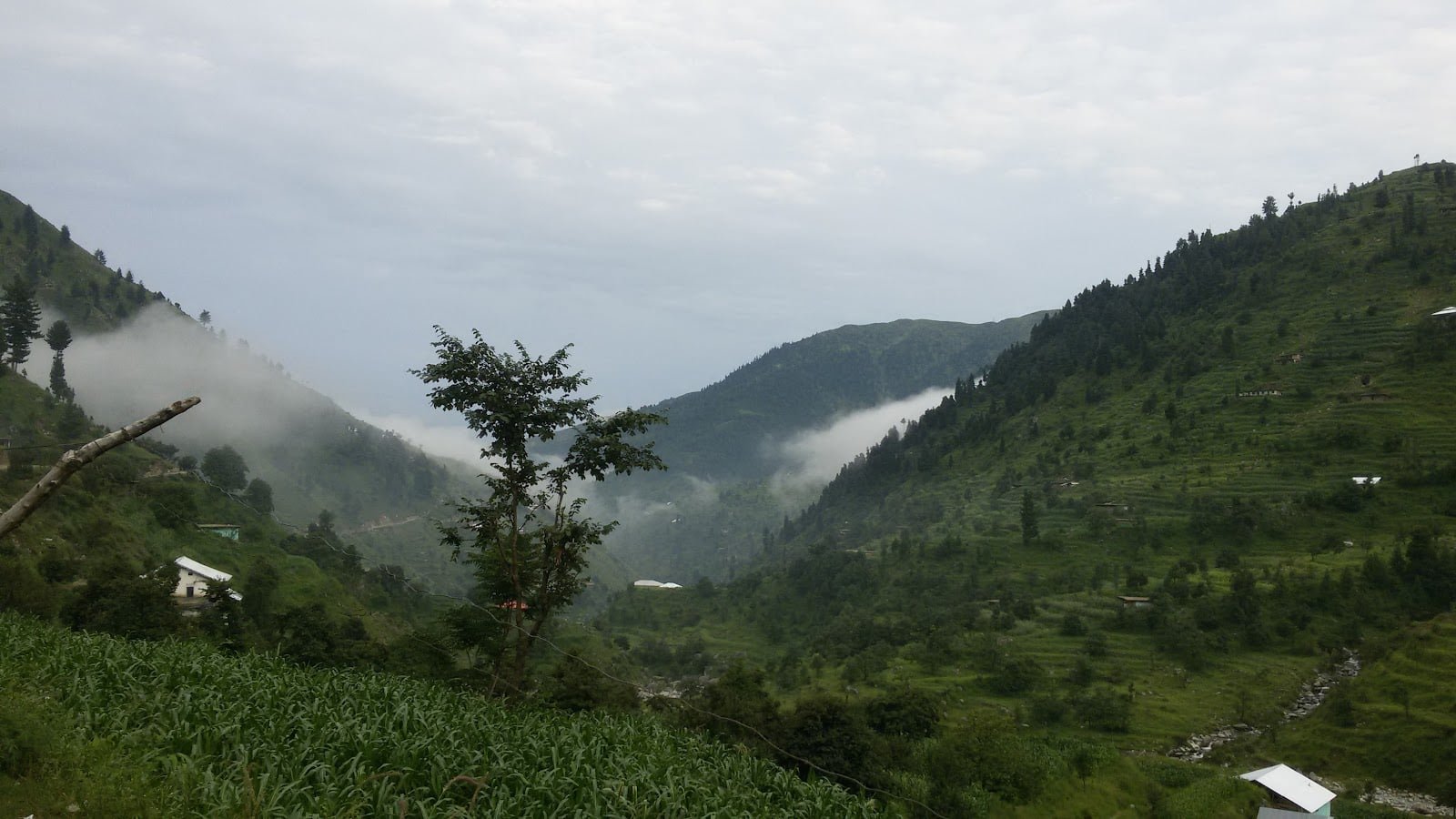
Jarogo Waterfall Hike: Distance, Difficulty and Complete Visitor Guide related visual 1
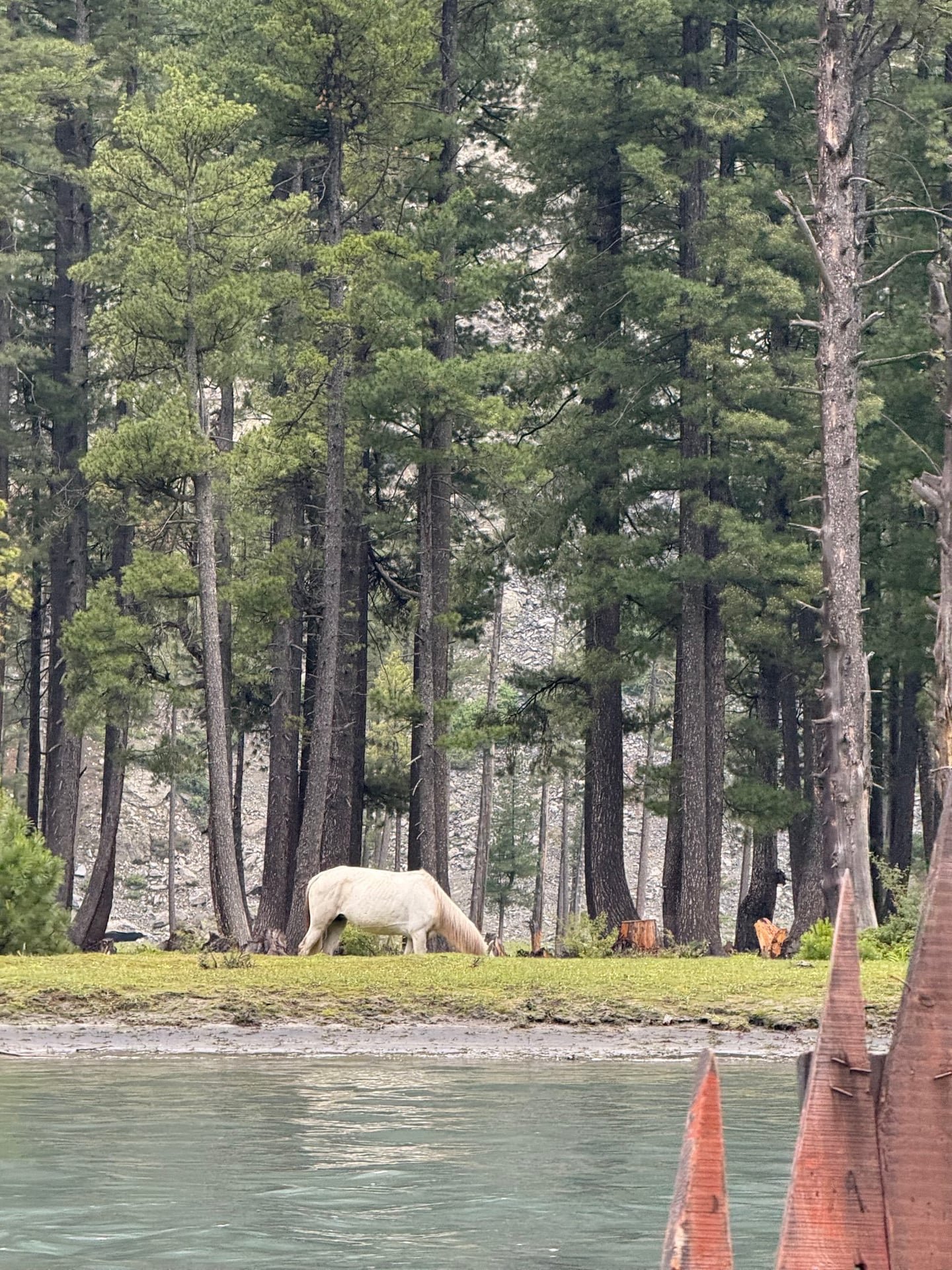
Jarogo Waterfall Hike: Distance, Difficulty and Complete Visitor Guide related visual 2

About Jarogo Waterfall

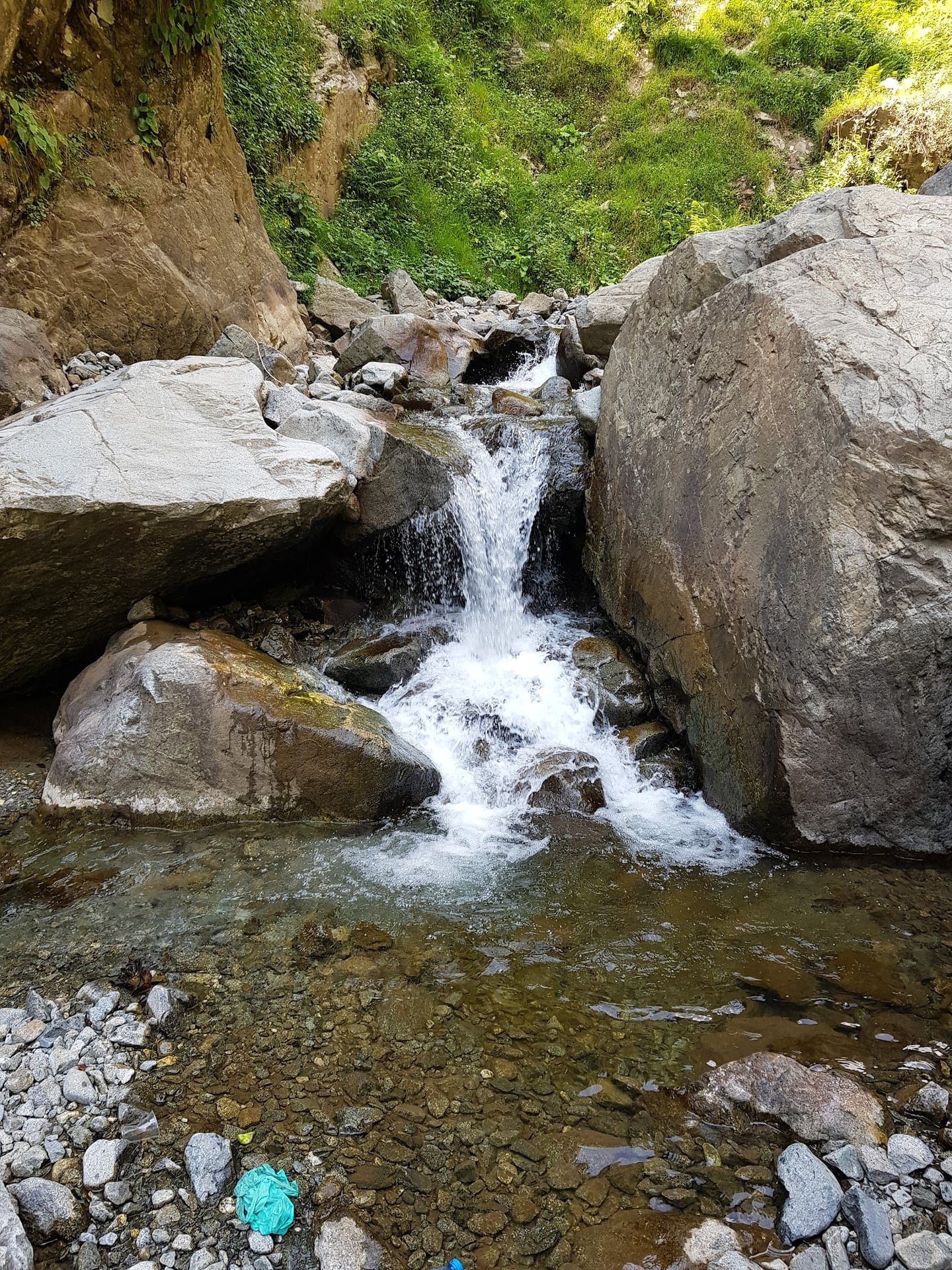
Jarogo Waterfall is widely considered the most impressive waterfall in Swat at approximately 80 meters tall, set in a steep forested valley near Beha village, around 20 km from Matta. It drops in a single white plume off a sheer cliff. Visitor numbers have grown significantly in recent years and basic visitor infrastructure such as jeeps, tea stalls, and a walking path now serves the site.

How to reach Jarogo

Step 1: Drive to Matta. Step 2: From Matta side, continue toward Beha village and hire a local 4x4 jeep for the upper track toward Jarogo, about 20 km in total access distance from Matta depending on your drop point. Step 3: From the jeep stop, walk the rocky trail about 45 minutes to the waterfall base. Total round trip from Matta is usually about 4 to 5 hours.

Hike difficulty

The walk from the jeep stop to the waterfall is moderate. The trail climbs about 200 to 300 meters of elevation over 1.5 km, with rocky sections and a small stream crossing. Most reasonably fit adults manage it comfortably in 45 minutes. Children 8 and above usually do well. Older guests should evaluate honestly — the descent back can be tougher on knees than the climb up.

Best season for Jarogo

Mid-May to mid-September is the prime window. June has the highest water flow from spring snowmelt. July and August are spectacular but watch monsoon flash-flood risk in the side valley after heavy rain. October is the last good month — flow is lower but the forest is golden. December to March: the jeep track is muddy or snowy and not recommended.

Best time of day

Reach the jeep stop by 9:30 am to start the walk before midday heat. Morning light hits the upper waterfall well for photos. Aim to leave the falls by 2:00 pm so you are back in Madyan well before sunset. Avoid late-afternoon arrivals — the walk back is slippery in evening light and the jeep ride down is no fun in dusk.

What to wear and bring

Closed shoes with good grip — flip-flops and smooth sneakers are not safe on the rocky trail. Light long-sleeve shirt and trousers. A windbreaker for the spray near the falls. A waterproof bag for camera and phone. 1 to 2 litres of water per person. Snacks. Sunscreen and sun cap for the open sections. A walking pole helps on the descent.

Photography tips

A wide-angle lens captures the full waterfall. A polariser cuts glare on wet rocks. A tripod plus ND filter for silky long-exposure shots. Stand back about 30 to 40 meters from the base for the cleanest full frame. Get there before other visitors arrive for unobstructed compositions. Watch your gear from spray — keep a microfibre cloth handy.

Combining Jarogo with other sights

Matta bazaar and nearby village stops are practical after the hike. Mingora and Saidu Sharif work well as return bases if you do not want to overnight near Matta. A relaxed plan is morning Jarogo, lunch on the Matta side, then evening return toward Mingora.

Safety considerations

Do not climb the wet rocks at the waterfall base — they are extremely slippery and falls have caused serious injuries. Stay back from the cliff edge above. Avoid swimming in the pool — currents are strong and water is very cold. Watch children at all times near the falls. After heavy rain, the side valley can flash flood — postpone the trip if there has been heavy rain in the past 24 hours.

Cost summary for a Matta-side day trip

Return jeep from the Matta side: PKR 4,000 to 7,000 (private) or PKR 1,000 to 1,500 (shared per seat). Tip for jeep driver: PKR 500. Tea and snacks at the base: PKR 500 to 1,000. Total per person on a shared jeep: PKR 2,000 to 3,000. For a private jeep with 4 friends, total works out roughly the same per person.

Planning details most travelers miss

Most travel friction in Swat comes from timing, not distance. The same route can feel easy or exhausting depending on start hour, road congestion, and weather windows. A practical strategy is to lock core movement windows early in the day, then keep flexible blocks for meals, short photo pauses, and weather-driven adjustments. This keeps your plan stable without becoming rigid. Road safety in Swat is mostly about daylight discipline. Keeping mountain segments in daylight lowers risk significantly and makes route decisions easier when conditions change. If weather turns or delays build up, stopping early in a known town is usually the best decision. Reaching one stop less is better than forcing a late-night arrival on unfamiliar roads.

How to adapt this plan by season

Accommodation choices have a direct effect on daily energy. A room with reliable heating, hot water, and low night noise gives better sleep and a stronger next day, especially for families and photographers waking before sunrise. It is usually smarter to pick slightly better comfort in one base town than to over-shift hotels every night and lose time in check-in transitions. Local etiquette improves travel outcomes in subtle ways. A respectful greeting, patient negotiation, and calm behavior in busy bazaars often lead to better cooperation from drivers, hotel staff, and shopkeepers. Small cultural awareness creates trust. That trust helps when you need route advice, schedule flexibility, or quick support in uncertain conditions.

Comfort and safety checklist

Food planning matters more in mountain travel than many visitors expect. Choose clean, high-turnover kitchens, request moderate spice when needed, and carry backup snacks for long road sections. Hydration is equally important. In cooler weather people drink less water and fatigue builds faster. Keeping a simple hydration rhythm improves mood, focus, and motion comfort during long curves. A useful final check is to separate essentials from optional items. Essentials include documents, medicines, cash buffer, charging backups, and weather layers. Optional items include extra stops and non-critical detours. When plans shift, protecting essentials first keeps the trip smooth. This simple prioritization method works for first-time tourists and repeat visitors alike.

Smarter route and budget decisions

Road safety in Swat is mostly about daylight discipline. Keeping mountain segments in daylight lowers risk significantly and makes route decisions easier when conditions change. If weather turns or delays build up, stopping early in a known town is usually the best decision. Reaching one stop less is better than forcing a late-night arrival on unfamiliar roads. For content creators and planners, document your route decisions each day. Note fuel points, traffic windows, and response times for support services. This helps you improve future trips and makes your recommendations more trustworthy for others. Swat rewards detailed planning with a better on-ground experience, especially when your schedule combines culture, food, and upper-valley movement.

Local etiquette and practical behavior

Local etiquette improves travel outcomes in subtle ways. A respectful greeting, patient negotiation, and calm behavior in busy bazaars often lead to better cooperation from drivers, hotel staff, and shopkeepers. Small cultural awareness creates trust. That trust helps when you need route advice, schedule flexibility, or quick support in uncertain conditions. Families and mixed-age groups should apply pace layering. Keep one anchor activity, one optional stop, and one recovery block each day. This prevents over-scheduling and reduces friction between travelers with different energy levels. The strongest itineraries are not the busiest ones, they are the plans that stay comfortable from morning to evening.

Final execution checklist

A useful final check is to separate essentials from optional items. Essentials include documents, medicines, cash buffer, charging backups, and weather layers. Optional items include extra stops and non-critical detours. When plans shift, protecting essentials first keeps the trip smooth. This simple prioritization method works for first-time tourists and repeat visitors alike. Most travel friction in Swat comes from timing, not distance. The same route can feel easy or exhausting depending on start hour, road congestion, and weather windows. A practical strategy is to lock core movement windows early in the day, then keep flexible blocks for meals, short photo pauses, and weather-driven adjustments. This keeps your plan stable without becoming rigid.

Frequently asked questions

How tall is Jarogo Waterfall?+

Approximately 80 meters, the tallest in Swat valley.

How long is the Jarogo waterfall hike?+

About 45 minutes from the jeep stop to the waterfall base. Total round trip from Matta side is usually 4 to 5 hours.

Is the Jarogo hike difficult?+

Moderate. Suitable for reasonably fit adults and children 8 and above.

Best season for Jarogo Waterfall?+

Mid-May to mid-September. June has the highest water flow.

How much does the jeep cost to Jarogo?+

PKR 4,000 to 7,000 for a private return jeep, or PKR 1,000 to 1,500 per seat on a shared jeep.

Can I swim in Jarogo pool?+

No. Strong currents and extremely cold water make swimming unsafe.

TopicsJarogo WaterfallMattaBehahikingSwat nature

Plan your visit to Swat

Read our complete travel guide before you head out.