Discover SwatDiscover Swat
History of the Wali of Swat: The Princely State of Swat (1915-1969)
All articles
History 12 min read June 13, 2026 Discover Swat Editorial

History of the Wali of Swat: The Princely State of Swat (1915-1969)

The complete story of the Princely State of Swat, the Walis (rulers), their reforms, the merger with Pakistan and what remains today.

History of the Wali of Swat: The Princely State of Swat (1915-1969) related visual 1
History of the Wali of Swat: The Princely State of Swat (1915-1969) related visual 2

Pre-state Swat

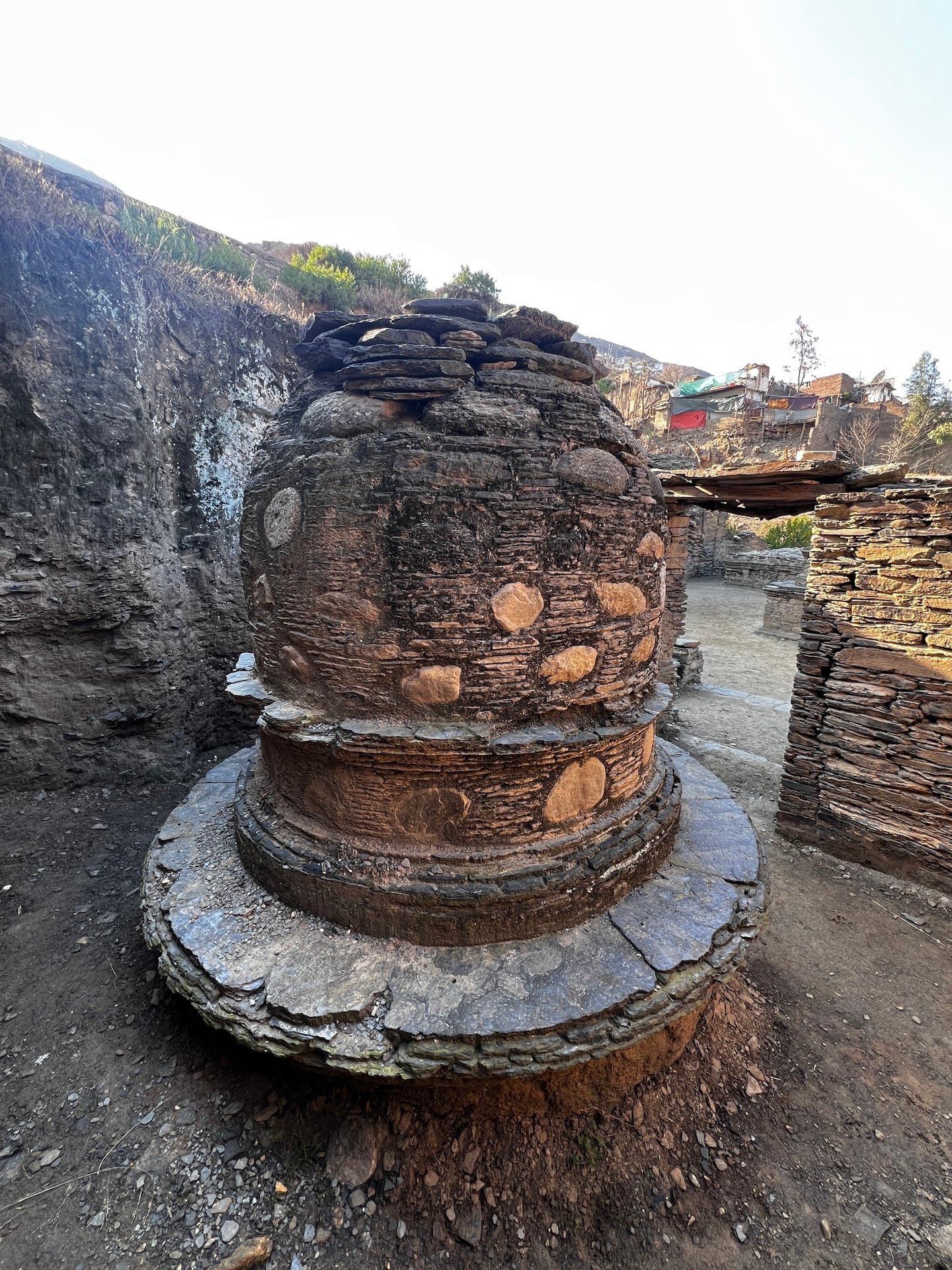
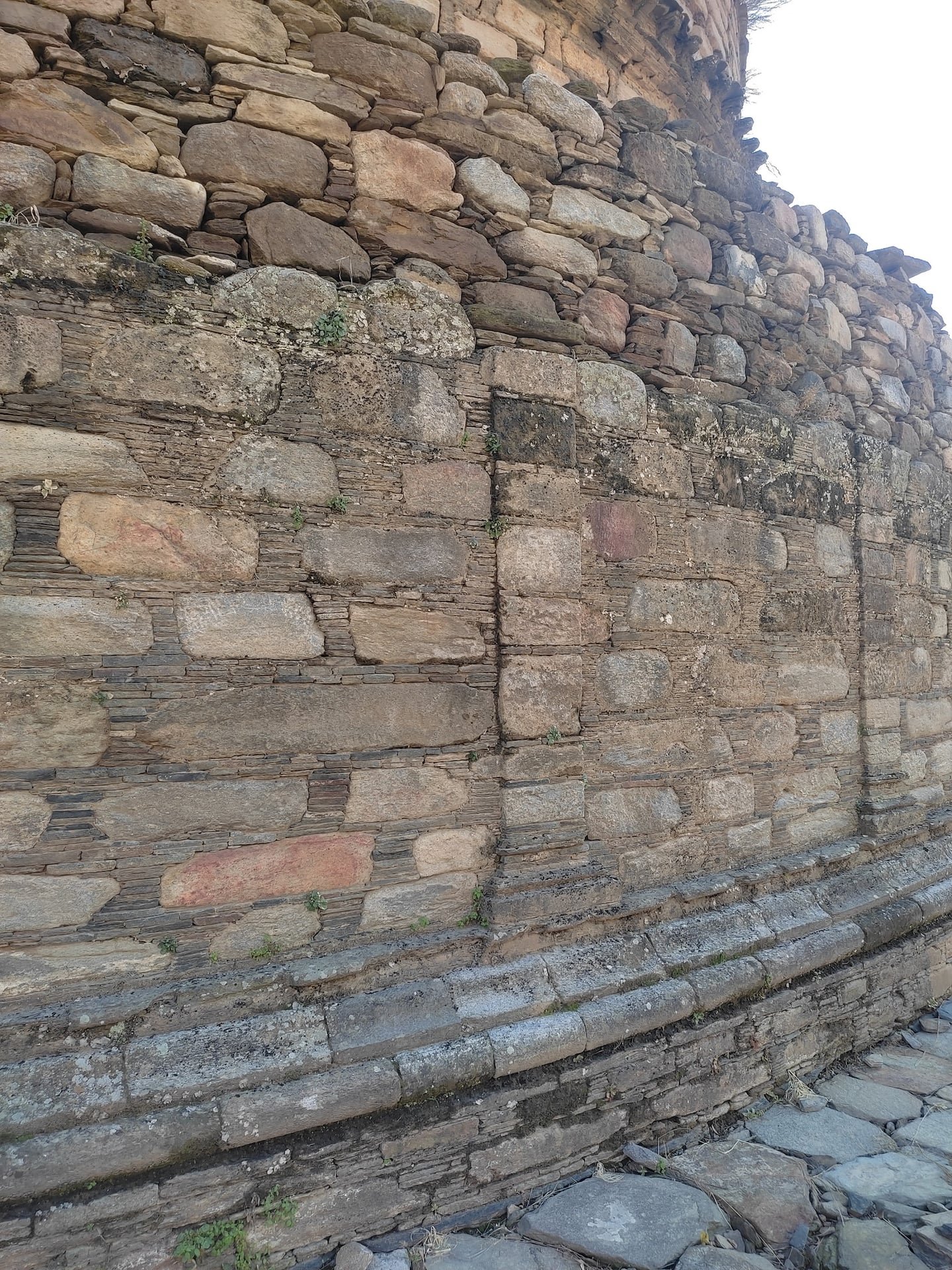
Before 1915 Swat was a tribal region of independent Pashtun jirgas (councils) with no centralized state. Various local strongmen controlled different valleys. The British Raj had limited influence. Buddhist heritage from the Uddiyana era was buried under centuries of Islamic rule. The region was known for its agriculture, orchards and remote inaccessibility.

Foundation of the state in 1915

In 1915, Miangul Abdul Wadud was recognized as Badshah (King) of Swat by a tribal jirga. His grandfather Akhund of Swat (Saidu Baba) was a revered Sufi saint whose legacy gave the family legitimacy. Over the next decade, Abdul Wadud consolidated control through diplomacy, alliances and selective military action. By the 1920s the Princely State of Swat was a functional entity.

Recognition by the British

The British Raj formally recognized Swat as a Princely State in 1926. Abdul Wadud received the title Wali. The state had internal autonomy in exchange for accepting British paramountcy in foreign affairs. The Wali managed his own administration, taxation, justice and infrastructure. Swat became one of the most peaceful and well-governed princely states in the region.

Miangul Jahanzeb takes over in 1949

In 1949, after Pakistan's independence, Miangul Abdul Wadud abdicated in favor of his son Miangul Jahanzeb. Jahanzeb continued the reformist tradition with even greater emphasis on modernization. Pakistan recognized the state and Jahanzeb as Wali. He ruled until the 1969 merger.

Education reforms

The Walis built one of the most extensive school systems of any Indian princely state. Schools were established in every major village. Jehanzeb College in Saidu Sharif (founded 1952) became one of the finest educational institutions in the region. Female education was promoted (carefully, given conservative norms). By the 1960s Swat had higher literacy rates than most of pre-merger NWFP.

Healthcare and infrastructure

Hospitals, dispensaries and a network of roads connecting valleys were built. The road from Mingora up to Kalam — once a difficult mule track — was made motorable. A reliable telegraph and telephone system was extended. Civic order was maintained through a small but effective state police and justice system that combined traditional Pashtun jirga principles with modern administration.

The White Palace and Saidu Sharif

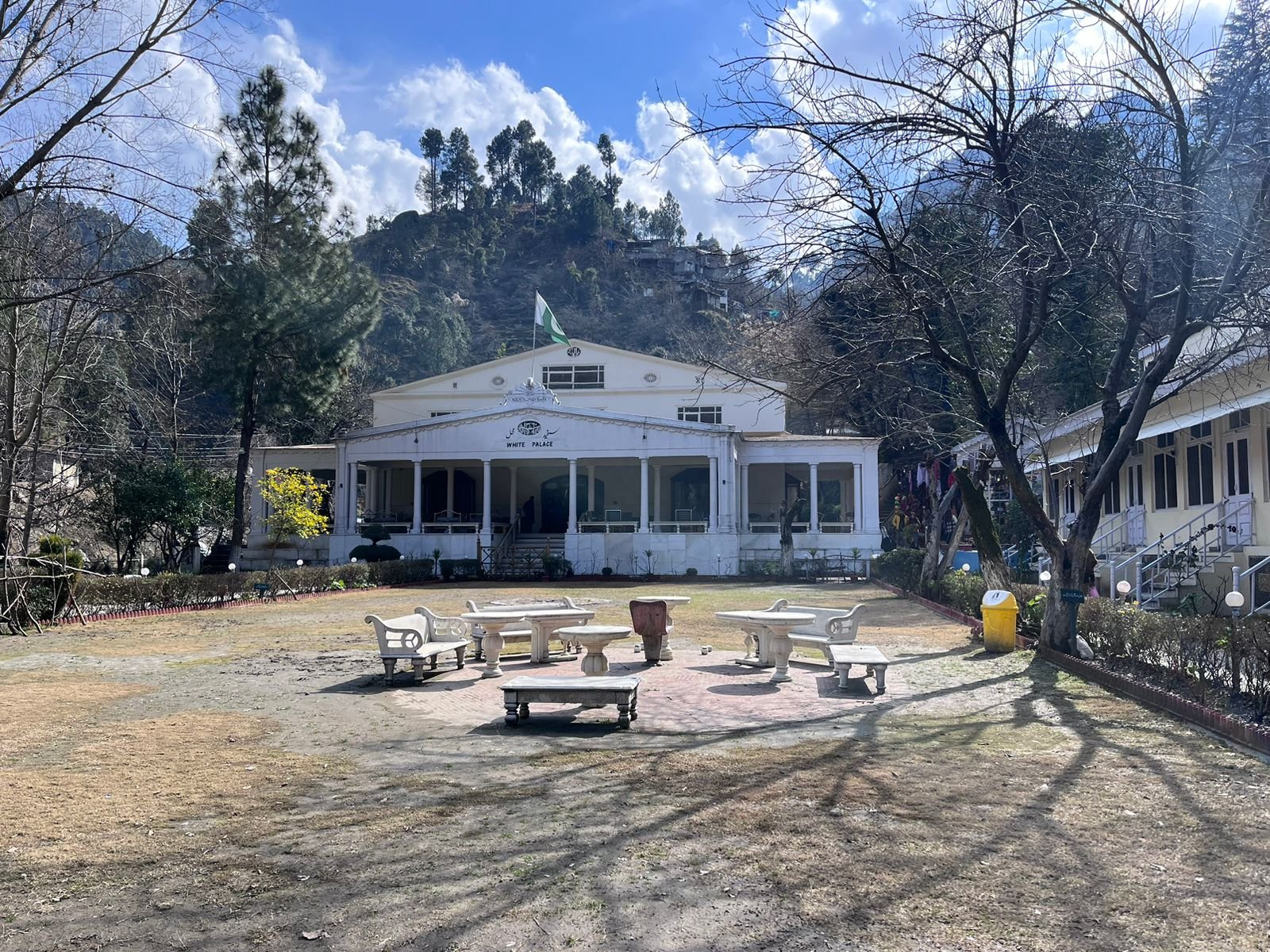
The White Palace at Marghazar was built in 1941 as a summer residence. Queen Elizabeth II stayed there during her 1961 royal visit. Saidu Sharif became the administrative capital with the Wali's palace complex, government offices and the Swat Museum. Today most of these heritage buildings still stand and several operate as hotels or museums.

The 1969 merger with Pakistan

On July 28, 1969, the Princely State of Swat was formally merged into Pakistan and became part of NWFP (now KP) province. Miangul Jahanzeb stepped down from ruling authority. The state administration was integrated into Pakistan's federal and provincial systems. The merger was largely peaceful and was widely seen as a natural evolution.

Legacy today

Many Swatis remember the Wali era fondly for the order, education and welfare provided. The royal Miangul family is still active in Pakistani politics and society. Several Miangul descendants have served in parliament. Heritage sites — White Palace, Swat Museum, Jehanzeb College — remain in use. The careful balance of tradition and modernization remains a model often discussed by historians.

Visiting the heritage today

Start at the Swat Museum (Saidu Sharif) — Buddhist and Wali-era exhibits. Visit the White Palace Marghazar — heritage hotel and tour. Walk through Jehanzeb College campus (with permission). Saidu Sharif also has the Miangul family graveyard with the Akhund of Swat shrine. A heritage-focused full day in Saidu Sharif and Marghazar is a meaningful complement to the mountain side of any Swat trip.

Planning details most travelers miss

Most travel friction in Swat comes from timing, not distance. The same route can feel easy or exhausting depending on start hour, road congestion, and weather windows. A practical strategy is to lock core movement windows early in the day, then keep flexible blocks for meals, short photo pauses, and weather-driven adjustments. This keeps your plan stable without becoming rigid. Road safety in Swat is mostly about daylight discipline. Keeping mountain segments in daylight lowers risk significantly and makes route decisions easier when conditions change. If weather turns or delays build up, stopping early in a known town is usually the best decision. Reaching one stop less is better than forcing a late-night arrival on unfamiliar roads.

How to adapt this plan by season

Accommodation choices have a direct effect on daily energy. A room with reliable heating, hot water, and low night noise gives better sleep and a stronger next day, especially for families and photographers waking before sunrise. It is usually smarter to pick slightly better comfort in one base town than to over-shift hotels every night and lose time in check-in transitions. Local etiquette improves travel outcomes in subtle ways. A respectful greeting, patient negotiation, and calm behavior in busy bazaars often lead to better cooperation from drivers, hotel staff, and shopkeepers. Small cultural awareness creates trust. That trust helps when you need route advice, schedule flexibility, or quick support in uncertain conditions.

Comfort and safety checklist

Food planning matters more in mountain travel than many visitors expect. Choose clean, high-turnover kitchens, request moderate spice when needed, and carry backup snacks for long road sections. Hydration is equally important. In cooler weather people drink less water and fatigue builds faster. Keeping a simple hydration rhythm improves mood, focus, and motion comfort during long curves. A useful final check is to separate essentials from optional items. Essentials include documents, medicines, cash buffer, charging backups, and weather layers. Optional items include extra stops and non-critical detours. When plans shift, protecting essentials first keeps the trip smooth. This simple prioritization method works for first-time tourists and repeat visitors alike.

Smarter route and budget decisions

Road safety in Swat is mostly about daylight discipline. Keeping mountain segments in daylight lowers risk significantly and makes route decisions easier when conditions change. If weather turns or delays build up, stopping early in a known town is usually the best decision. Reaching one stop less is better than forcing a late-night arrival on unfamiliar roads. For content creators and planners, document your route decisions each day. Note fuel points, traffic windows, and response times for support services. This helps you improve future trips and makes your recommendations more trustworthy for others. Swat rewards detailed planning with a better on-ground experience, especially when your schedule combines culture, food, and upper-valley movement.

Local etiquette and practical behavior

Local etiquette improves travel outcomes in subtle ways. A respectful greeting, patient negotiation, and calm behavior in busy bazaars often lead to better cooperation from drivers, hotel staff, and shopkeepers. Small cultural awareness creates trust. That trust helps when you need route advice, schedule flexibility, or quick support in uncertain conditions. Families and mixed-age groups should apply pace layering. Keep one anchor activity, one optional stop, and one recovery block each day. This prevents over-scheduling and reduces friction between travelers with different energy levels. The strongest itineraries are not the busiest ones, they are the plans that stay comfortable from morning to evening.

Final execution checklist

A useful final check is to separate essentials from optional items. Essentials include documents, medicines, cash buffer, charging backups, and weather layers. Optional items include extra stops and non-critical detours. When plans shift, protecting essentials first keeps the trip smooth. This simple prioritization method works for first-time tourists and repeat visitors alike. Most travel friction in Swat comes from timing, not distance. The same route can feel easy or exhausting depending on start hour, road congestion, and weather windows. A practical strategy is to lock core movement windows early in the day, then keep flexible blocks for meals, short photo pauses, and weather-driven adjustments. This keeps your plan stable without becoming rigid.

Planning details most travelers miss

For content creators and planners, document your route decisions each day. Note fuel points, traffic windows, and response times for support services. This helps you improve future trips and makes your recommendations more trustworthy for others. Swat rewards detailed planning with a better on-ground experience, especially when your schedule combines culture, food, and upper-valley movement. Accommodation choices have a direct effect on daily energy. A room with reliable heating, hot water, and low night noise gives better sleep and a stronger next day, especially for families and photographers waking before sunrise. It is usually smarter to pick slightly better comfort in one base town than to over-shift hotels every night and lose time in check-in transitions.

Frequently asked questions

Who founded the Princely State of Swat?+

Miangul Abdul Wadud became Badshah of Swat in 1915. The British formally recognized Swat as a Princely State in 1926.

When did Swat merge with Pakistan?+

July 28, 1969. The state was integrated into NWFP (now KP) province.

Who was the last Wali of Swat?+

Miangul Jahanzeb, who ruled from 1949 until the 1969 merger.

Why is the Wali era remembered fondly?+

For peaceful order, extensive education reforms, healthcare infrastructure and overall good governance.

Where to learn about Swat State history?+

Swat Museum, Saidu Sharif, the White Palace Marghazar and several Mingora libraries.

Did Queen Elizabeth visit the White Palace?+

Yes. Queen Elizabeth II stayed at the White Palace during her 1961 royal visit to Pakistan.

TopicsWali of Swathistoryprincely stateMiangul

Plan your visit to Swat

Read our complete travel guide before you head out.