A heritage guide to Swat's ancient Buddhist sites. Butkara Stupa, Saidu Sharif, Jehanabad Buddha, Shingardar and how to visit them.
Why Swat is a Buddhist heritage destination
Swat. Known in ancient times as Uddiyana, was one of the spiritual heartlands of Mahayana Buddhism between the 2nd century BCE and 8th century CE. Thousands of stupas, monasteries and rock carvings once dotted the valley. Today, dozens of well-preserved sites remain, many in walking distance of Mingora and Saidu Sharif, making Swat one of the easiest places in Pakistan to experience Gandhara-era Buddhist heritage.
Butkara Stupa (Butkara I)
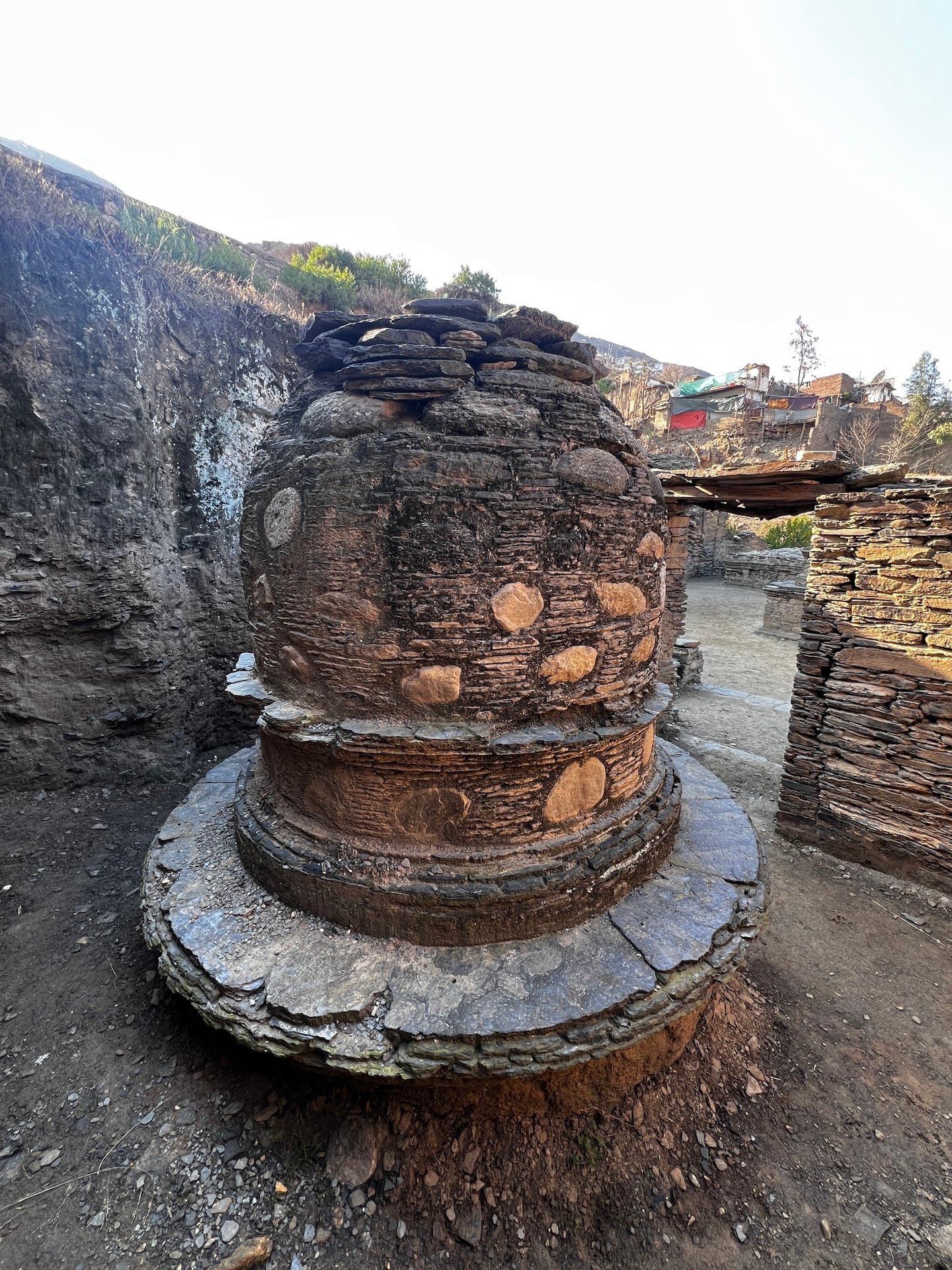
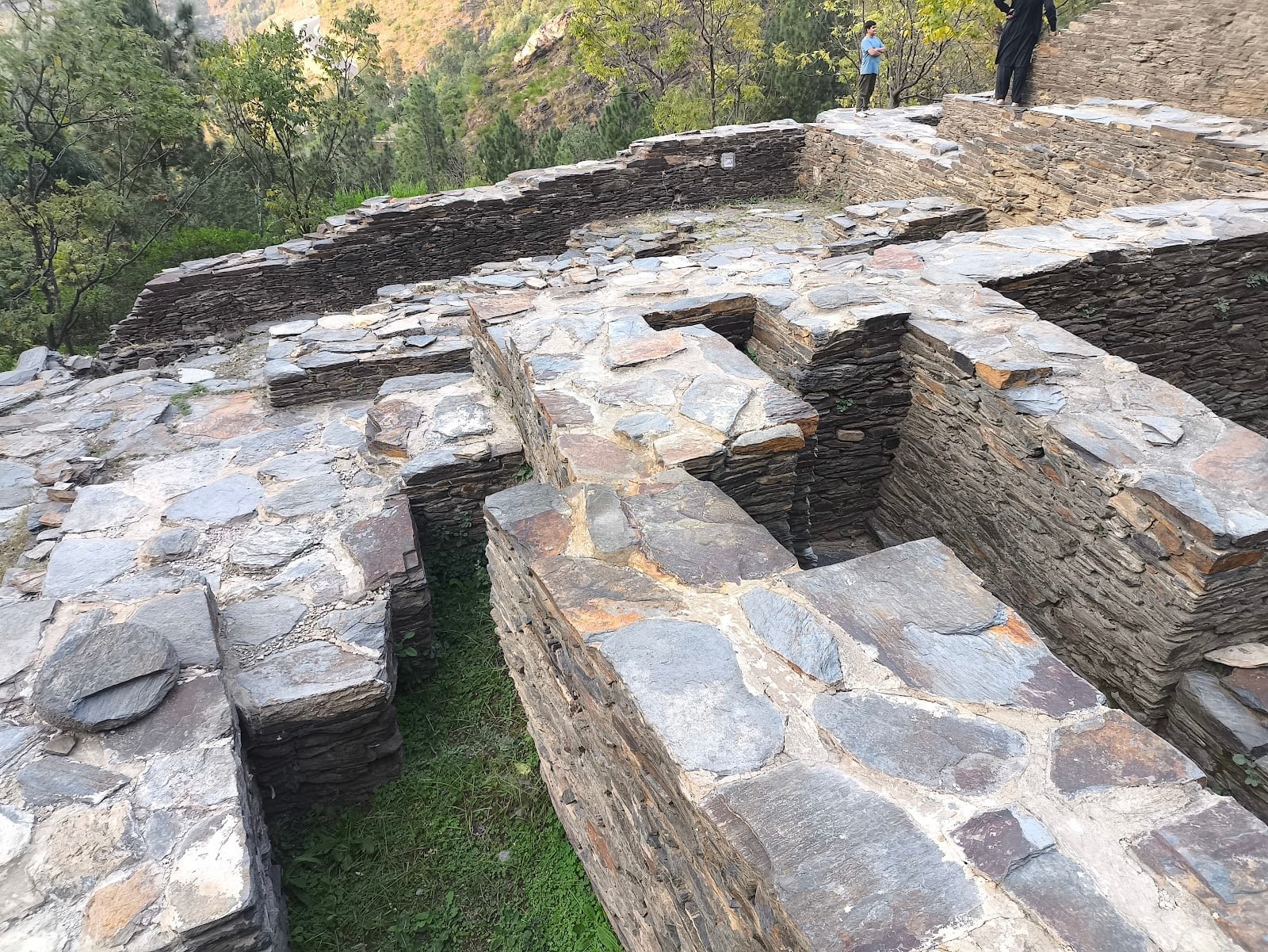
Located in Saidu Sharif, Butkara is one of the oldest and most important stupas in Swat, dating to the Mauryan period (3rd century BCE) and rebuilt over several centuries. Excavated by Italian archaeological teams in the 1950s and 60s, the site reveals concentric stupas, votive offerings and ornate stone carvings. Walk the circular path to view side stupas. Allow 45 to 60 minutes.
Swat Museum, Saidu Sharif
The Swat Museum at Saidu Sharif is the single best place to understand Gandhara art and the Buddhist legacy of the valley. It houses statues of Buddha, narrative reliefs of the Buddha's life, coins, terracotta and stone carvings from sites across Swat. The museum is well-curated, air-conditioned and a great stop for both adults and curious teenagers. Ticket prices are modest. Allow 90 minutes to 2 hours.
Jehanabad Buddha
The Jehanabad Buddha (also called Shakhorai Buddha) is a 7-meter-high rock-carved seated Buddha image dating to the 7th century CE. Located in Jehanabad village, the carving was severely damaged by extremists in 2007 and has since been partially restored with international support. The site sits on a hillside reached by a short walk from the road. The drive from Mingora takes 45 minutes to 1 hour.
Shingardar Stupa
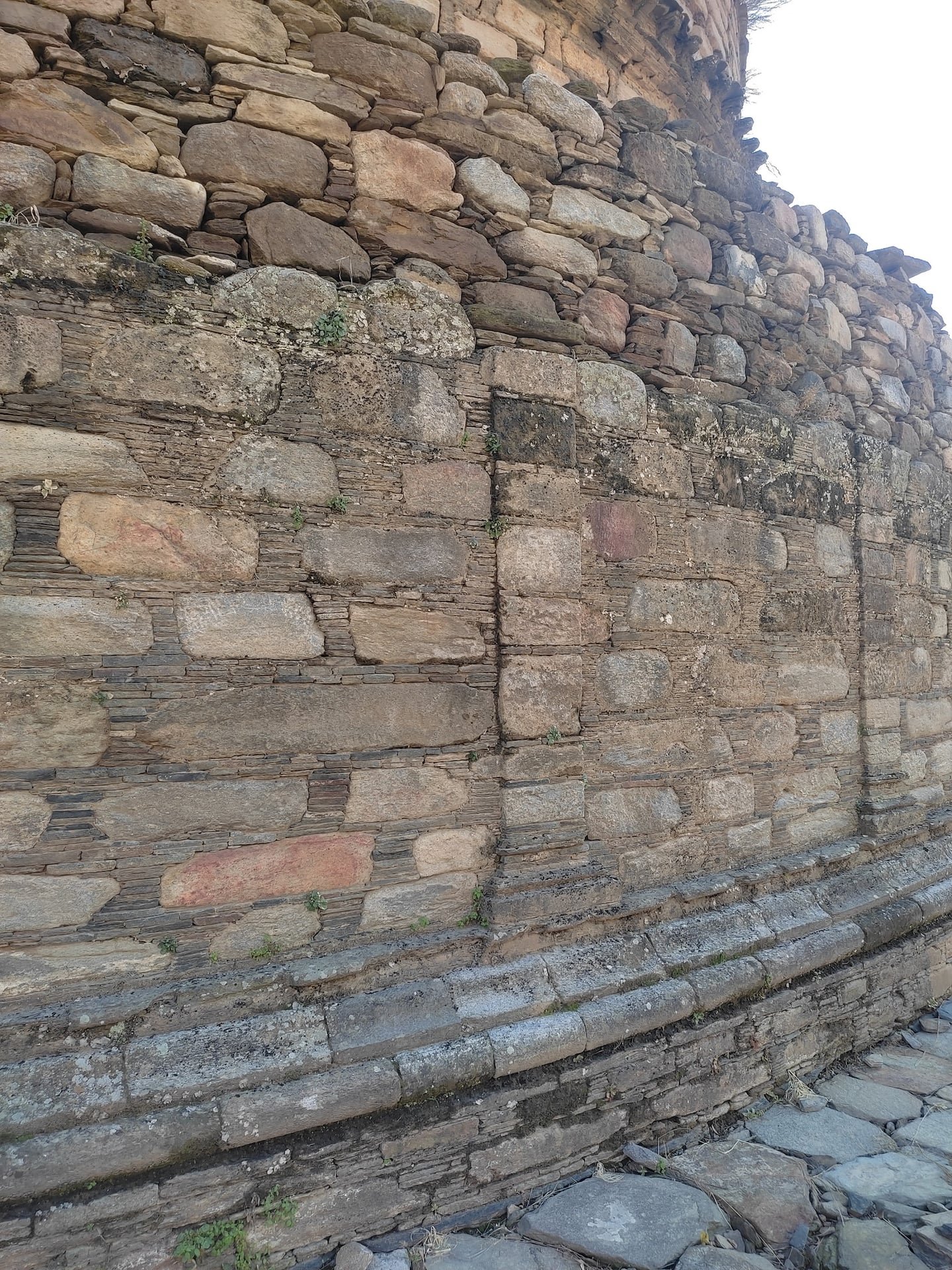
Shingardar Stupa stands roadside near Khwazakhela, an imposing solid dome dating to the Kushan period (1st to 3rd century CE). It is one of the largest surviving stupas in Swat. Easy to visit, you can stop on the way between Mingora and Kalam. Allow 20 to 30 minutes for photos and a walk around the base. Late afternoon light is best for photography.
Andan Dheri and Saidu Stupa
Saidu Stupa lies near the Swat Museum and complements a half-day Saidu Sharif tour, Andan Dheri sits a short drive away. Both feature stone-carved figures and stupas. Best combined as a morning loop: Swat Museum first, then Butkara, then Saidu Stupa. The Italian Archaeological Mission has worked extensively in the area and the sites are reasonably well-maintained.
Ghali Gay and other rock carvings
Swat has numerous Buddha rock carvings on remote cliff faces. Some require short hikes, ask the Swat Museum staff or a local heritage guide for an updated list. Always visit with a local guide who knows the access path. Some carvings are damaged and need respectful behavior, no touching the carved surfaces and no climbing on the rock.
Half-day Buddhist heritage itinerary
9:00 am Swat Museum. 11:00 am Butkara Stupa. 12:30 pm lunch in Mingora. 2:00 pm Saidu Stupa. 3:00 pm short drive to Jehanabad Buddha. 5:00 pm return to Mingora. This covers four major sites in a relaxed pace. If you have a full day, add Shingardar Stupa on the way and a stop at one of the cliff-carving sites with a guide.
Practical visitor tips
Wear modest clothing, these are heritage sites visited by locals as well. Carry water and a hat. Photography is generally allowed but flash is restricted near old carvings. Hire a local heritage guide from the Swat Museum or via your hotel. Costs PKR 2,000 to 4,500 for half a day. A guide adds tremendous depth to what otherwise looks like simple stone domes.
Why these sites matter today
Uddiyana was a center of Vajrayana Buddhism that later spread to Tibet. The Indian master Padmasambhava, considered the founder of Tibetan Buddhism, is traditionally said to have come from Swat. For Buddhist visitors from Sri Lanka, Thailand, Japan, Korea and Tibet. Swat is a place of deep historical reverence. For all travelers, it is a reminder of the layered, plural civilizations that have called this valley home.
Frequently asked questions
Are there Buddhist sites in Swat?+
Yes. Swat (ancient Uddiyana) has dozens of Buddhist stupas, monasteries and rock carvings from the Gandhara period.
Best Buddhist heritage site in Swat?+
Butkara Stupa and the Swat Museum at Saidu Sharif are the most important and accessible.
Is the Jehanabad Buddha worth visiting?+
Yes. The 7-meter rock-carved Buddha is a unique site, partially restored after 2007 damage.
Are Buddhist sites in Swat open to all?+
Yes. Sites and museums are open to visitors of all faiths.
Do I need a guide for Swat Buddhist sites?+
A local heritage guide adds tremendous depth and historical context. PKR 2,000 to 4,500 for half a day.
How much time to see Swat Buddhist heritage?+
A focused half-day covers the main sites. A full day allows deeper exploration including rock carvings.
Ready when you are
Make Swat feel easy
Dates, hotels, jeep rates, or the best base town — get a clear local answer before you book.