A practical beginner guide to camping in Gabral Valley, one of upper Swat's quietest and most scenic valleys, with gear, access and safety tips.


Why Gabral is worth camping
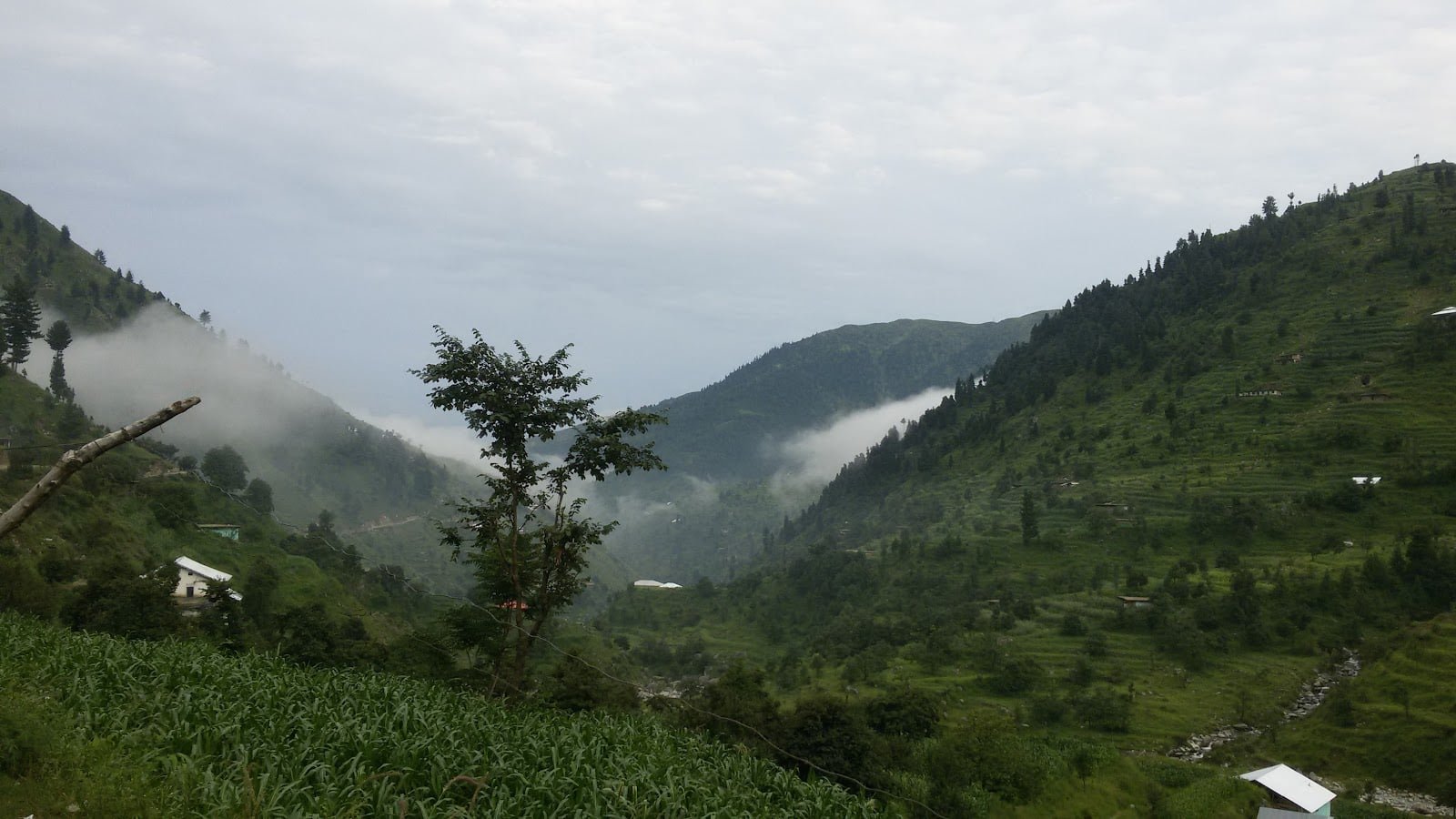
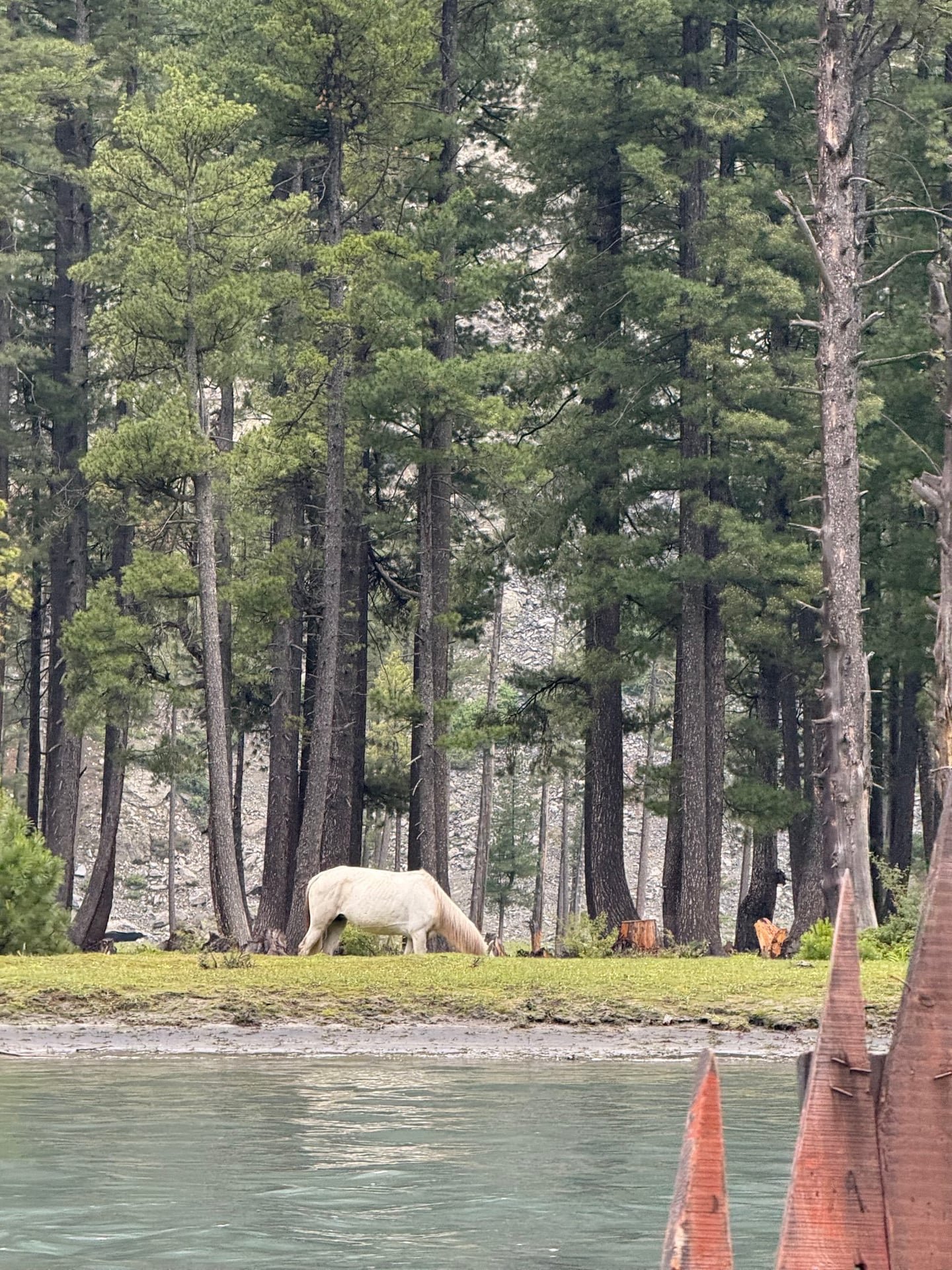
Gabral is one of upper Swat's quietest valleys, with open meadows, river bends, pine forest and very few tourists. If you want a camping experience with space, stars and silence rather than crowds and dhaba noise, Gabral is the place. It is ideal for campers who already have some basic outdoor comfort but do not need luxury facilities.
How to reach Gabral
From Kalam, take a 4x4 jeep on the rough Gabral track in summer. Total driving time to the main campable meadow zone can be 2 to 3 hours depending on route and condition. Private jeep costs usually PKR 8,000 to 15,000 return depending on how deep you go and whether the driver waits. The road is rough enough that a sedan is not suitable.
Best season
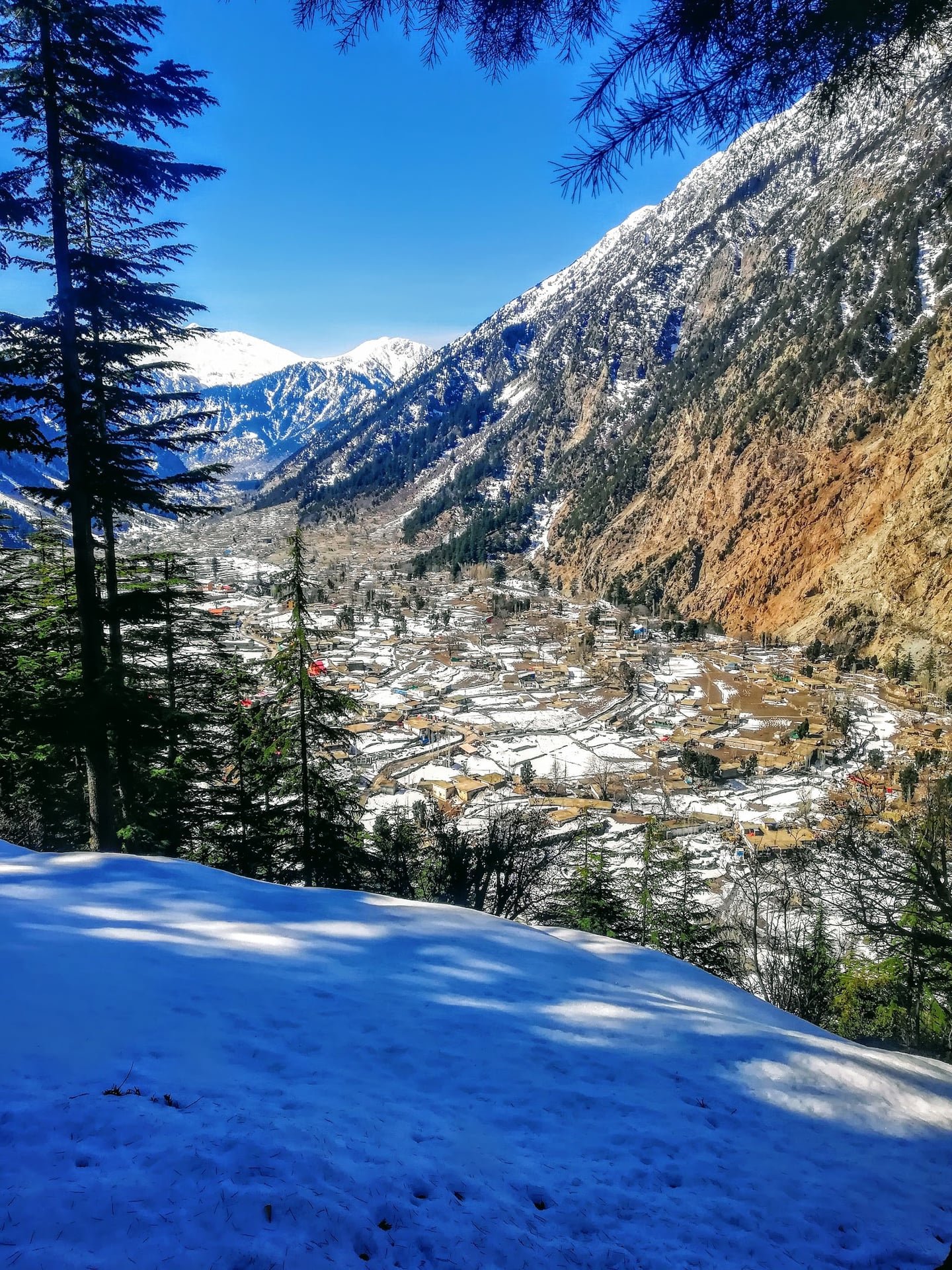
June through September is the practical window. June and July are lush green. August brings possible rain but also very vibrant meadows. September offers clear skies and cooler nights. Winter closes the track — do not attempt in snow season.
Where to camp
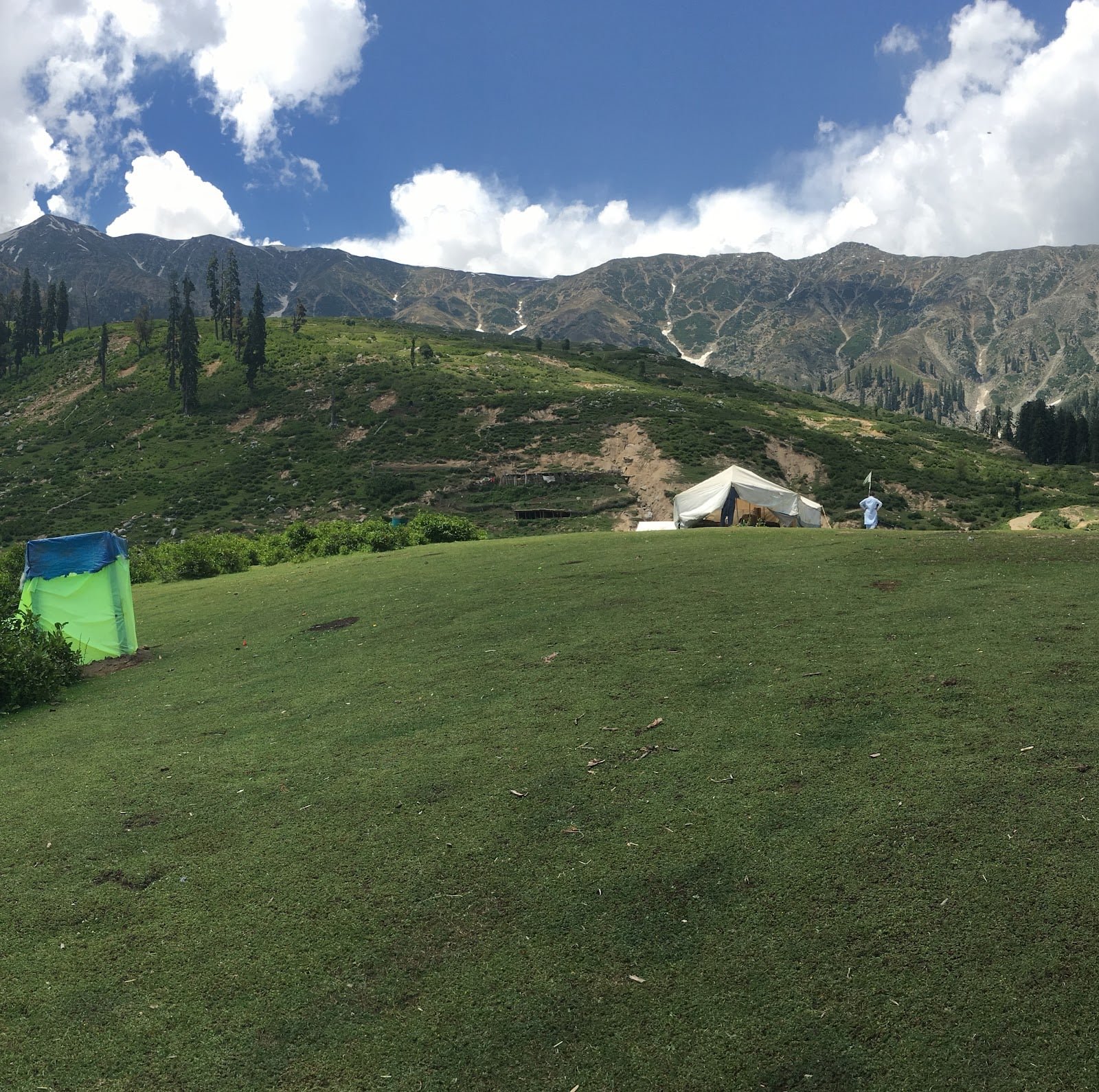
Use flat meadow ground away from the river edge and away from the jeep track. Look for sheltered spots with access to water but not too close to fast-flowing channels. Avoid pitching under dead branches. If in doubt, ask a local jeep driver or guide to point out the safest camp zone. Stick with established clearings rather than creating new ones.
Gear for first-timers
A decent two-person tent, sleeping bag rated to 0°C or lower, insulating mat, headlamp, torch, power bank, spare batteries, warm layers, rain shell, stove, fuel, pot, plate, cup, lighter, first aid kit, trash bags, water filter or tablets. First-timers often forget the mat — do not, because ground cold is as important as air cold.
Food and water
For one overnight camp, bring simple meals: oats, tea, instant noodles, rice packets, canned beans, dry fruits, energy bars, fruit. Water from streams must be treated. Carry enough clean drinking water for the first night and filter the rest. Never leave food out at night; pack it securely.
Weather and cold
Even in summer, nights in Gabral are cold. Expect 5°C to 10°C in June and July, cooler in September. Afternoon rain can appear suddenly. Winds can pick up after sunset. Layer your clothing and keep dry socks for sleeping. If you are cold, eat and move — your body warms itself faster than sitting still.
Safety and etiquette
Tell your hotel in Kalam where you are going and when you will return. Travel with at least one partner. Do not camp too close to a local homestead without permission. Keep noise low at night. Pack out every scrap of trash. Do not burn plastic or leave food scraps that attract dogs or wildlife.
What first-timers get wrong
Underpacking warm layers, forgetting a mat, arriving too late in the day, and camping too close to water. Another mistake: trying to make the camp fancy. In Gabral, simplicity wins — focus on a safe site, warm sleep and good tea. That is the luxury here.
Why you will remember it
Gabral gives you the feeling of a real mountain night: stars, river, silence and pine smell. For first-time campers it is more accessible than a serious Himalayan trek yet still feels wild. Once you camp here properly, you start wanting to do all of Swat differently — slower and closer to the land.
Planning details most travelers miss
Most travel friction in Swat comes from timing, not distance. The same route can feel easy or exhausting depending on start hour, road congestion, and weather windows. A practical strategy is to lock core movement windows early in the day, then keep flexible blocks for meals, short photo pauses, and weather-driven adjustments. This keeps your plan stable without becoming rigid. Road safety in Swat is mostly about daylight discipline. Keeping mountain segments in daylight lowers risk significantly and makes route decisions easier when conditions change. If weather turns or delays build up, stopping early in a known town is usually the best decision. Reaching one stop less is better than forcing a late-night arrival on unfamiliar roads.
How to adapt this plan by season
Accommodation choices have a direct effect on daily energy. A room with reliable heating, hot water, and low night noise gives better sleep and a stronger next day, especially for families and photographers waking before sunrise. It is usually smarter to pick slightly better comfort in one base town than to over-shift hotels every night and lose time in check-in transitions. Local etiquette improves travel outcomes in subtle ways. A respectful greeting, patient negotiation, and calm behavior in busy bazaars often lead to better cooperation from drivers, hotel staff, and shopkeepers. Small cultural awareness creates trust. That trust helps when you need route advice, schedule flexibility, or quick support in uncertain conditions.
Comfort and safety checklist
Food planning matters more in mountain travel than many visitors expect. Choose clean, high-turnover kitchens, request moderate spice when needed, and carry backup snacks for long road sections. Hydration is equally important. In cooler weather people drink less water and fatigue builds faster. Keeping a simple hydration rhythm improves mood, focus, and motion comfort during long curves. A useful final check is to separate essentials from optional items. Essentials include documents, medicines, cash buffer, charging backups, and weather layers. Optional items include extra stops and non-critical detours. When plans shift, protecting essentials first keeps the trip smooth. This simple prioritization method works for first-time tourists and repeat visitors alike.
Smarter route and budget decisions
Road safety in Swat is mostly about daylight discipline. Keeping mountain segments in daylight lowers risk significantly and makes route decisions easier when conditions change. If weather turns or delays build up, stopping early in a known town is usually the best decision. Reaching one stop less is better than forcing a late-night arrival on unfamiliar roads. For content creators and planners, document your route decisions each day. Note fuel points, traffic windows, and response times for support services. This helps you improve future trips and makes your recommendations more trustworthy for others. Swat rewards detailed planning with a better on-ground experience, especially when your schedule combines culture, food, and upper-valley movement.
Local etiquette and practical behavior
Local etiquette improves travel outcomes in subtle ways. A respectful greeting, patient negotiation, and calm behavior in busy bazaars often lead to better cooperation from drivers, hotel staff, and shopkeepers. Small cultural awareness creates trust. That trust helps when you need route advice, schedule flexibility, or quick support in uncertain conditions. Families and mixed-age groups should apply pace layering. Keep one anchor activity, one optional stop, and one recovery block each day. This prevents over-scheduling and reduces friction between travelers with different energy levels. The strongest itineraries are not the busiest ones, they are the plans that stay comfortable from morning to evening.
Final execution checklist
A useful final check is to separate essentials from optional items. Essentials include documents, medicines, cash buffer, charging backups, and weather layers. Optional items include extra stops and non-critical detours. When plans shift, protecting essentials first keeps the trip smooth. This simple prioritization method works for first-time tourists and repeat visitors alike. Most travel friction in Swat comes from timing, not distance. The same route can feel easy or exhausting depending on start hour, road congestion, and weather windows. A practical strategy is to lock core movement windows early in the day, then keep flexible blocks for meals, short photo pauses, and weather-driven adjustments. This keeps your plan stable without becoming rigid.
Planning details most travelers miss
For content creators and planners, document your route decisions each day. Note fuel points, traffic windows, and response times for support services. This helps you improve future trips and makes your recommendations more trustworthy for others. Swat rewards detailed planning with a better on-ground experience, especially when your schedule combines culture, food, and upper-valley movement. Accommodation choices have a direct effect on daily energy. A room with reliable heating, hot water, and low night noise gives better sleep and a stronger next day, especially for families and photographers waking before sunrise. It is usually smarter to pick slightly better comfort in one base town than to over-shift hotels every night and lose time in check-in transitions.
Frequently asked questions
Is Gabral good for first-time camping?+
Yes if you have basic outdoor gear and a 4x4 jeep. It is quiet, scenic and less crowded than Mahodand.
When should I camp in Gabral?+
June to September. Winter closes the road and makes camping unsuitable.
Can I take a sedan to Gabral?+
No. The track requires a 4x4 jeep.
Is there phone signal in Gabral?+
Very limited or none. Plan to be offline.
Do I need a guide?+
Recommended for first-timers, especially to find the safest camp meadow.
What temperature at night in Gabral?+
Typically 5°C to 10°C in summer, colder in September.