A taste-tested guide to the best places to eat fresh trout fish in Kalam, Bahrain and Madyan. Prices, cooking styles and side dishes.
Why Swat trout is special
The cold mountain streams of Swat. Particularly above Bahrain, are ideal for rainbow and brown trout. Farms in Madyan, Bahrain, Kalam and Mahodand raise trout in fresh river-fed pools. Fish reach the kitchen within hours of being caught, which is why the trout in Swat tastes so much better than what you get in Lahore or Karachi. The flesh is firm, mild and pairs beautifully with the simple Pashto preparation.
Common cooking styles
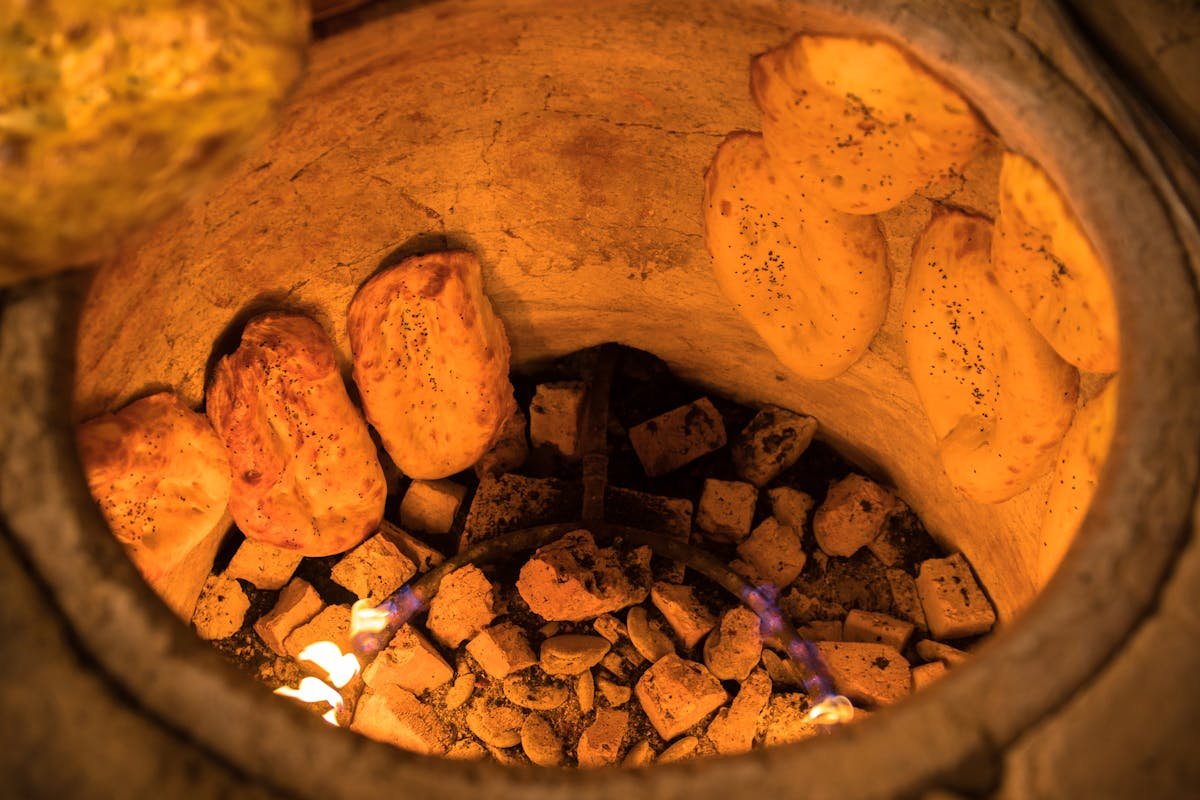
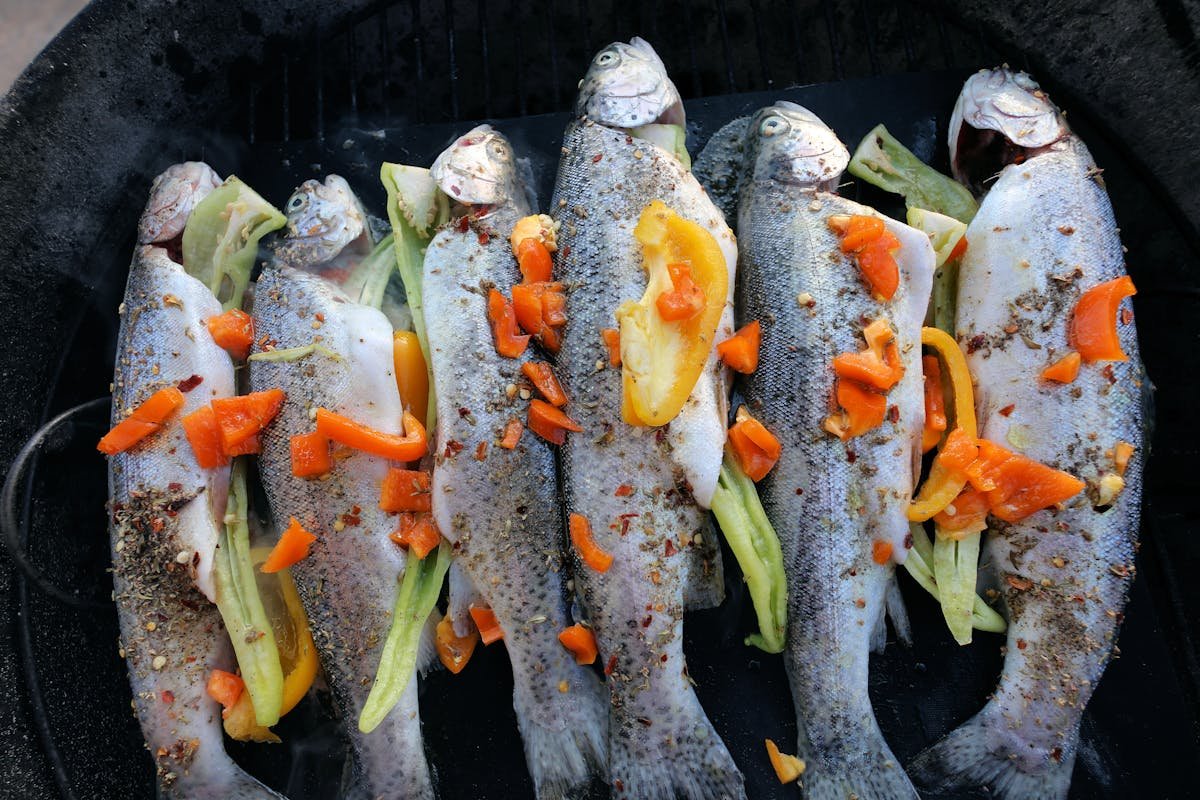
Three main preparations: pan-fried (lightly floured, fried in mustard oil with salt, chili and garlic), grilled (whole fish on charcoal with lemon and salt) and tandoori (marinated in yogurt and spice, baked in clay oven). Pan-fried is most common. Each preparation comes with naan or rice, a wedge of lemon, raw onion and a small bowl of raita. Order one whole fish per person if you are a serious eater, otherwise share between two.
Prices in 2026
A whole pan-fried trout in Kalam restaurants: PKR 1,200 to 2,000 depending on size and venue. Grilled trout: PKR 1,400 to 2,200. Tandoori trout: PKR 1,500 to 2,500. Sides like naan, rice and tea add PKR 200 to 600. Hotel restaurants (PC Kalam, a hillside guesthouse, riverside restaurants) charge 20 to 40 percent more than bazaar dhabas but offer cleaner ambiance and reliable hygiene.
Best places in Kalam
a hillside guesthouse restaurant: clean, reliable trout, river-side terrace, riverside restaurants restaurant: high-quality fish, family-friendly. local hotels dining hall: solid mid-range option. PC Kalam: premium pricing and presentation. Several smaller bazaar dhabas serve fresh trout at lower prices, ask your hotel for current local favorites since menu quality varies year to year.
Best places in Bahrain
a riverside guesthouse: classic riverside trout dinner. a local mid-range hotel: reasonable price and consistent quality. Roadside trout dhabas between Madyan and Bahrain: extremely fresh because they often cook from their own farm pools. Stop at a busy dhaba. Fast turnover means fresh fish. Avoid trout from quiet roadside stalls late in the day when the fish may be hours old.
Madyan trout farms
Madyan has several trout farms where you can pick your fish live from the pool, watch it being cleaned, and have it cooked on the spot. This is one of the freshest trout experiences in Pakistan. Costs are similar to Kalam restaurants. PKR 1,200 to 2,000 for a whole fish prepared with sides. Visit in daylight and choose a farm with clean pools and visible water flow.
What to order with your trout
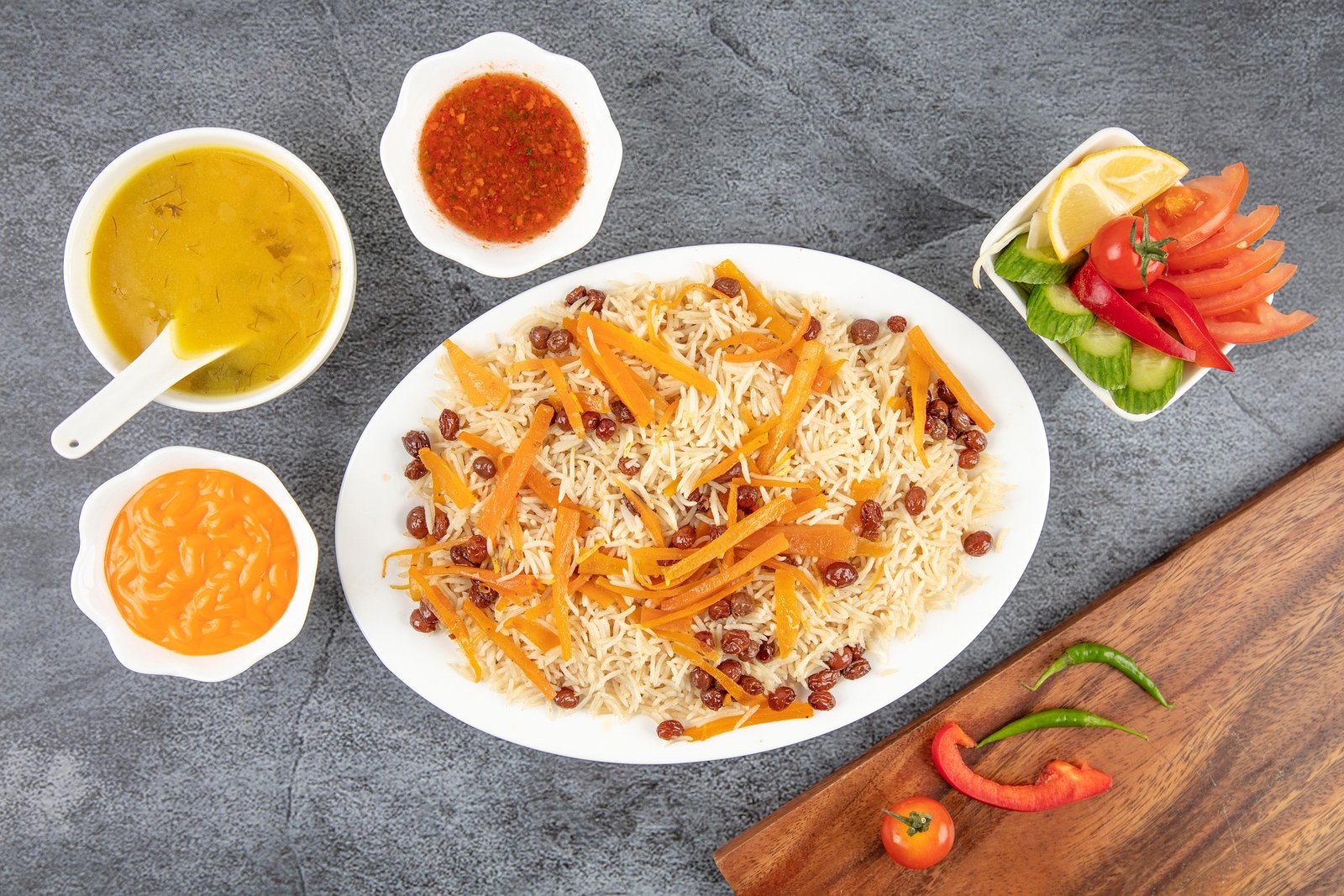
Plain naan or chapati works best, it lets the fish flavor lead. A side of grilled corn (in season), a small bowl of daal, raita and a fresh salad of onion, tomato and cucumber. End with a glass of strong black tea or green kahwa. Avoid heavy karahi alongside trout, the spices overpower the delicate fish.
Tips for the best trout experience
Always ask if the fish is fresh-caught today. Choose a medium-size fish (around 350 to 500 g), very large fish can be tough. Order it pan-fried if you are unsure of the kitchen, it is the most forgiving preparation. Squeeze fresh lemon over the fish before eating. Use your fingers for the bones. Proper trout eating is gentle finger work, not a fork-and-knife battle.
Vegetarian travelers with a trout-loving group
No worries, most trout restaurants also serve full vegetarian menus: daal, vegetable karahi, palak paneer (sometimes), saag, rice and salad. The trout eaters in your group can enjoy their fish while vegetarians get a comfortable meal alongside. Just confirm vegetarian options at the time of ordering since menus vary.
Trout fishing experience
Several Madyan, Bahrain and Kalam farms allow guests to fish for their own trout from the pool, a fun family activity. Costs are usually charged per fish caught at near-market rate. Some upper-Mahodand and Ushu Forest river stretches allow controlled angling with a small permit, ask local guides. Always release undersize fish back to the pool.
Frequently asked questions
Best restaurant for trout in Kalam?+
A hillside guesthouse, riverside restaurants and local hotels are reliable mid-range to premium picks.
Trout fish price in Kalam 2026?+
A whole pan-fried trout costs roughly PKR 1,200 to 2,000 depending on size and venue.
Is Swat trout farm-raised or wild?+
Most restaurant trout is farm-raised in clean stream-fed pools. Wild trout is rarer and usually only available through fishing trips.
Best preparation style for first-time trout eaters?+
Pan-fried with light spice, the most popular and forgiving style.
Can I catch my own trout in Swat?+
Yes. Madyan, Bahrain and Kalam farms allow guests to catch fish from their pools. Cooked on the spot at near-market rate.
Is trout safe to eat in Swat?+
Yes. , when fresh from a busy farm or restaurant. Choose places with high turnover and avoid stale-looking fish.
Ready when you are
Make Swat feel easy
Dates, hotels, jeep rates, or the best base town — get a clear local answer before you book.