Discover SwatDiscover Swat
Top 10 Pashto Dishes to Try in Swat Valley (With Real Restaurant Picks)
All articles
Food 12 min read February 9, 2026 Discover Swat Editorial

Top 10 Pashto Dishes to Try in Swat Valley (With Real Restaurant Picks)

The essential Pashto and Swati dishes every traveler should taste, with real restaurant recommendations in Mingora, Kalam and Bahrain.

Top 10 Pashto Dishes to Try in Swat Valley (With Real Restaurant Picks) related visual 1
Top 10 Pashto Dishes to Try in Swat Valley (With Real Restaurant Picks) related visual 2

Chapli Kebab

A flat, lightly spiced minced beef patty pan-fried in tallow until crispy outside and juicy inside. Chapli kebab is the king of Pashto street food. Eat it hot with naan and a wedge of lemon. Best in Mingora at Jehanzeb College Road kebab houses. Each kebab is large and rich — one or two with naan is a full meal. Best paired with green chutney and raw onion rings.

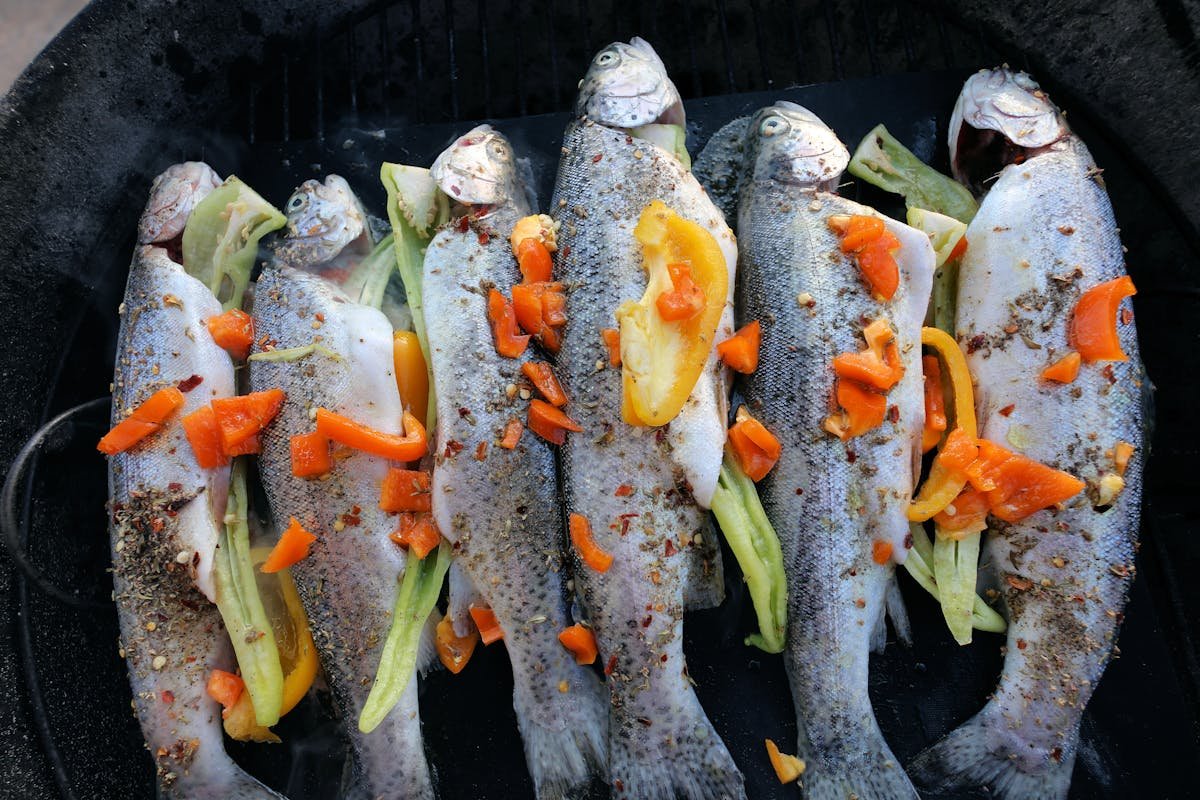
Trout Fish from Kalam

Cold mountain streams in upper Swat produce some of the freshest trout in Pakistan. Most Kalam riverside restaurants serve it grilled, pan-fried or deep-fried with light spices. Order it whole, ask for medium spice. Walnut Heights, Heaven Breeze and most river-view restaurants in Kalam Bazaar serve good trout. Best paired with naan, raita and a wedge of lemon. Trout is also available in Bahrain and Madyan.

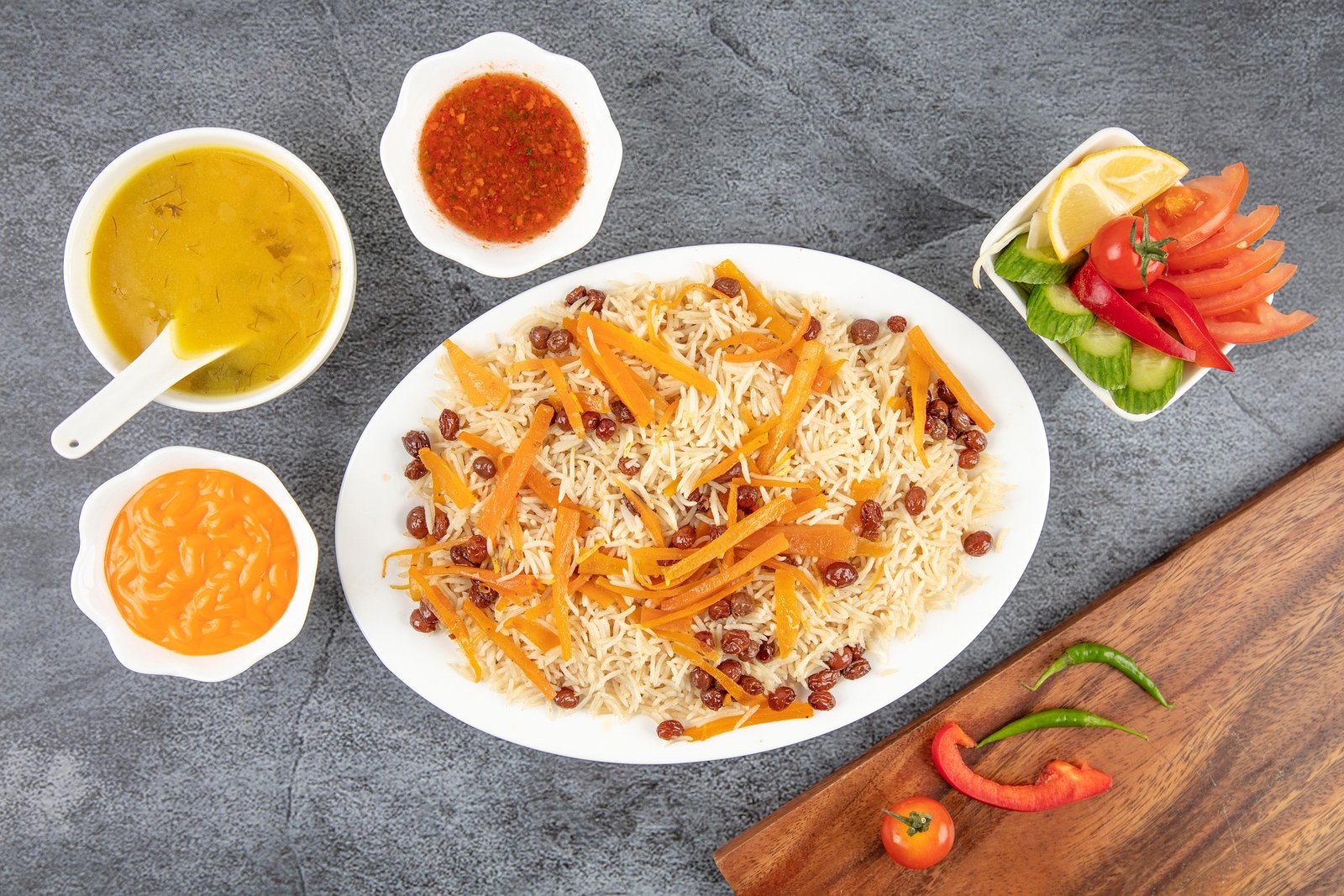
Kabuli Pulao

Fragrant long-grain rice cooked with lamb stock, topped with raisins, carrots and slow-cooked lamb chunks. A celebratory dish from the wider Pashtun-Afghan tradition. Best at large wedding-style restaurants in Mingora. Sufficient for two if you order a single full plate. Pair with raita and a fresh salad.

Karahi

A wok-fried meat dish, typically chicken or mutton, cooked with tomatoes, ginger, green chilies and fresh coriander. Swati karahi is generally less greasy than Lahori versions. Best at family restaurants in Mingora and PC Malam Jabba. Order with tandoori naan and lassi.

Saag and Makki Roti

Mustard greens slow-cooked with garlic and ghee, served with thick yellow cornbread. A classic countryside winter dish. Try it in family restaurants in Mingora or village dhabas around Khwazakhela. The cornbread is heavy — start with one piece and order more if you finish it.

Painda or Patanga

A traditional Pashto dish of cooked corn flour mixed with desi ghee and gur (jaggery). Often served with strong black tea on cold mornings. Hard to find in restaurants — your best bet is small village dhabas in Bahrain, Madyan or homestays. Ask politely; many family-run places will prepare it for guests.

Landhi (smoked meat)

A winter specialty of preserved meat, dry-smoked and stored for cold months. Eaten with rice or warm naan. Landhi is rare in tourist restaurants — best found in family kitchens. If you are invited to a local home in upper Swat in December or January, do not refuse a small bite.

Pashtun Beef and Mutton Karayee

Slow-cooked beef or mutton with onions, tomatoes and Pashtun spice blends. Less tomato-heavy than Punjabi karahi. Order it at dinner with naan and salad. Try the karahi houses near Saidu Sharif Road in Mingora and the larger restaurants on the Kalam main road.

Peshawari Chai and Kahwa

Two tea traditions every visitor must try. Pink Peshawari chai is salty, milky tea slowly cooked over hours, served in small cups. Kahwa is light green tea with cardamom and saffron, sweetened with sugar — perfect after a heavy meal. Both are widely available in Mingora cafes and Kalam hotels.

Local fruits and dry fruits

Swat is famous for its mountain apples, peaches, apricots, walnuts, cherries, persimmons and plums. From August to October you can buy fresh fruit directly from roadside stalls in Khwazakhela, Madyan and Bahrain. In winter, the Mingora dry fruit markets sell premium walnuts, almonds, dried apricots, mulberries and pine nuts at prices much lower than Lahore or Karachi.

Planning details most travelers miss

Most travel friction in Swat comes from timing, not distance. The same route can feel easy or exhausting depending on start hour, road congestion, and weather windows. A practical strategy is to lock core movement windows early in the day, then keep flexible blocks for meals, short photo pauses, and weather-driven adjustments. This keeps your plan stable without becoming rigid. Road safety in Swat is mostly about daylight discipline. Keeping mountain segments in daylight lowers risk significantly and makes route decisions easier when conditions change. If weather turns or delays build up, stopping early in a known town is usually the best decision. Reaching one stop less is better than forcing a late-night arrival on unfamiliar roads.

How to adapt this plan by season

Accommodation choices have a direct effect on daily energy. A room with reliable heating, hot water, and low night noise gives better sleep and a stronger next day, especially for families and photographers waking before sunrise. It is usually smarter to pick slightly better comfort in one base town than to over-shift hotels every night and lose time in check-in transitions. Local etiquette improves travel outcomes in subtle ways. A respectful greeting, patient negotiation, and calm behavior in busy bazaars often lead to better cooperation from drivers, hotel staff, and shopkeepers. Small cultural awareness creates trust. That trust helps when you need route advice, schedule flexibility, or quick support in uncertain conditions.

Comfort and safety checklist

Food planning matters more in mountain travel than many visitors expect. Choose clean, high-turnover kitchens, request moderate spice when needed, and carry backup snacks for long road sections. Hydration is equally important. In cooler weather people drink less water and fatigue builds faster. Keeping a simple hydration rhythm improves mood, focus, and motion comfort during long curves. A useful final check is to separate essentials from optional items. Essentials include documents, medicines, cash buffer, charging backups, and weather layers. Optional items include extra stops and non-critical detours. When plans shift, protecting essentials first keeps the trip smooth. This simple prioritization method works for first-time tourists and repeat visitors alike.

Smarter route and budget decisions

Road safety in Swat is mostly about daylight discipline. Keeping mountain segments in daylight lowers risk significantly and makes route decisions easier when conditions change. If weather turns or delays build up, stopping early in a known town is usually the best decision. Reaching one stop less is better than forcing a late-night arrival on unfamiliar roads. For content creators and planners, document your route decisions each day. Note fuel points, traffic windows, and response times for support services. This helps you improve future trips and makes your recommendations more trustworthy for others. Swat rewards detailed planning with a better on-ground experience, especially when your schedule combines culture, food, and upper-valley movement.

Local etiquette and practical behavior

Local etiquette improves travel outcomes in subtle ways. A respectful greeting, patient negotiation, and calm behavior in busy bazaars often lead to better cooperation from drivers, hotel staff, and shopkeepers. Small cultural awareness creates trust. That trust helps when you need route advice, schedule flexibility, or quick support in uncertain conditions. Families and mixed-age groups should apply pace layering. Keep one anchor activity, one optional stop, and one recovery block each day. This prevents over-scheduling and reduces friction between travelers with different energy levels. The strongest itineraries are not the busiest ones, they are the plans that stay comfortable from morning to evening.

Final execution checklist

A useful final check is to separate essentials from optional items. Essentials include documents, medicines, cash buffer, charging backups, and weather layers. Optional items include extra stops and non-critical detours. When plans shift, protecting essentials first keeps the trip smooth. This simple prioritization method works for first-time tourists and repeat visitors alike. Most travel friction in Swat comes from timing, not distance. The same route can feel easy or exhausting depending on start hour, road congestion, and weather windows. A practical strategy is to lock core movement windows early in the day, then keep flexible blocks for meals, short photo pauses, and weather-driven adjustments. This keeps your plan stable without becoming rigid.

Planning details most travelers miss

For content creators and planners, document your route decisions each day. Note fuel points, traffic windows, and response times for support services. This helps you improve future trips and makes your recommendations more trustworthy for others. Swat rewards detailed planning with a better on-ground experience, especially when your schedule combines culture, food, and upper-valley movement. Accommodation choices have a direct effect on daily energy. A room with reliable heating, hot water, and low night noise gives better sleep and a stronger next day, especially for families and photographers waking before sunrise. It is usually smarter to pick slightly better comfort in one base town than to over-shift hotels every night and lose time in check-in transitions.

Frequently asked questions

What food is Swat famous for?+

Chapli kebab, fresh trout fish from Kalam, kabuli pulao, saag with makki roti, karahi and Peshawari chai are the standout dishes.

Where to eat trout in Kalam?+

Walnut Heights, Heaven Breeze, Hotel Honeymoon and most river-view restaurants in Kalam Bazaar serve good trout.

Best chapli kebab in Mingora?+

Several long-running kebab houses on Jehanzeb College Road and Saidu Sharif Road are the local favorites. Ask hotel staff for the latest pick.

Is Swat food too spicy for kids?+

No, most Swati food is moderately spiced. You can always ask for "kam mirch" — less spice. Naan, rice, plain karahi and trout work well for children.

Are vegetarian options easy to find in Swat?+

Vegetarian options exist but are limited. Try daal, vegetable karahi, saag, palak paneer, kabuli rice without meat, and salads. Most restaurants accommodate on request.

Best place to buy Swati dry fruits?+

Mingora has long-running dry fruit markets where walnuts, dried apricots, pine nuts and almonds are sold at honest prices. Always taste a sample before buying in bulk.

TopicsPashto foodSwati cuisinetrout fishchapli kebabkabuli pulao

Plan your visit to Swat

Read our complete travel guide before you head out.