A practical list of mistakes, scams and habits to avoid in Swat — from food and water to driving, photography and cultural slip-ups.


Why it matters
Swat is welcoming and safe for tourists, but small mistakes turn into big problems on a mountain trip. Avoiding the common pitfalls below makes your trip safer, cheaper and more enjoyable. None of these are complicated — just attention and basic courtesy.
Do not drive mountain roads after dark
The Mingora-Kalam, Khwazakhela-Malam Jabba and upper jeep tracks have no street lights, narrow shoulders and frequent livestock. Driving after sunset is the single biggest cause of tourist accidents. Plan to be at your destination by 5:00 to 6:00 pm. If you are delayed, pull into the nearest hotel and continue in the morning.
Do not drink tap water
Stick to sealed bottled water for drinking and brushing teeth. Many tourist stomach upsets come from unfiltered water, ice in drinks or salads washed in tap water. Most hotels provide 19-liter sealed bottles — refill from these into your own bottle. Boiled water is safe; lukewarm tap water is not.
Do not eat raw salads from unknown places
Hot freshly cooked food is the safe choice. Avoid raw salads, peeled fruits from street stalls, and ice from unknown vendors during the first 2 days while your stomach adjusts. Once you settle in, you can be more flexible — but high-turnover busy restaurants are always the safest bet.
Do not photograph local women or children without permission
It is considered disrespectful. For local women, do not photograph at all unless explicitly invited. For children, always ask a parent first. For men in bazaars, a friendly request usually works. Never zoom in covertly — if you cannot ask, do not shoot.
Do not drone-fly near sensitive areas
Avoid flying drones near military installations, police stations, government buildings, mosques during prayer time, and private homes without permission. Follow Pakistan drone regulations on altitude (max 400 ft AGL) and line of sight. Penalties for restricted-zone flights can be serious.
Do not litter — anywhere
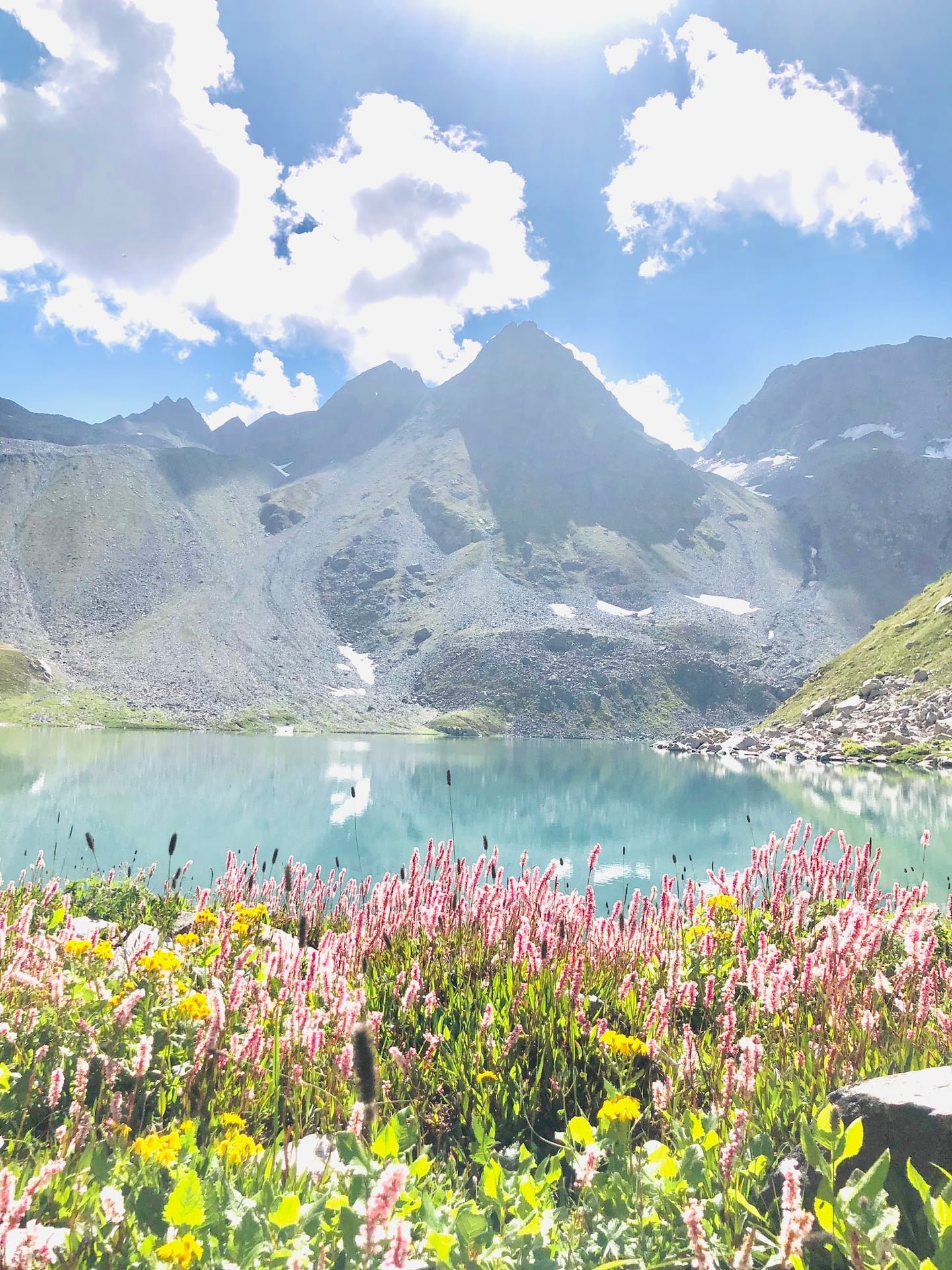
Carry a small bag for your trash and bring it back to a proper bin in Mingora or your home city. Mountain ecosystems are fragile and plastic blights the landscape. Lake areas like Mahodand are particularly affected by careless visitors — be part of the solution.
Do not negotiate too aggressively
Polite negotiation is welcomed; aggressive haggling is rude. A reasonable 10 to 20 percent reduction from the first quote is normal on flexible-price items. Walking out abruptly without a polite goodbye, or shouting prices down, damages the cordial bazaar atmosphere and embarrasses you and the shopkeeper.
Do not skip insurance for adventure activities
For trekking, skiing at Malam Jabba, jeep day trips to Mahodand and any altitude work, basic travel insurance is worth the small cost. The nearest large hospital is in Saidu Sharif. Medical evacuation from upper Swat is expensive without insurance.
Do not wear revealing clothes in bazaars
Modest dress goes a long way in rural Pakistan. For men: long trousers and shirts. For women: loose clothes covering shoulders, chest and knees, with a scarf available. Hotels and resorts are more relaxed; bazaars and villages call for modesty.
Do not trust unverified drivers and guides
Use only hotel-recommended drivers and licensed jeep operators. Avoid picking up unknown people from outside Kalam Bazaar without verification. Check tyres, brakes and overall vehicle condition before paying for a jeep day trip. A few minutes of inspection prevents a lot of trouble on the rough track.
Planning details most travelers miss
Most travel friction in Swat comes from timing, not distance. The same route can feel easy or exhausting depending on start hour, road congestion, and weather windows. A practical strategy is to lock core movement windows early in the day, then keep flexible blocks for meals, short photo pauses, and weather-driven adjustments. This keeps your plan stable without becoming rigid. Road safety in Swat is mostly about daylight discipline. Keeping mountain segments in daylight lowers risk significantly and makes route decisions easier when conditions change. If weather turns or delays build up, stopping early in a known town is usually the best decision. Reaching one stop less is better than forcing a late-night arrival on unfamiliar roads.
How to adapt this plan by season
Accommodation choices have a direct effect on daily energy. A room with reliable heating, hot water, and low night noise gives better sleep and a stronger next day, especially for families and photographers waking before sunrise. It is usually smarter to pick slightly better comfort in one base town than to over-shift hotels every night and lose time in check-in transitions. Local etiquette improves travel outcomes in subtle ways. A respectful greeting, patient negotiation, and calm behavior in busy bazaars often lead to better cooperation from drivers, hotel staff, and shopkeepers. Small cultural awareness creates trust. That trust helps when you need route advice, schedule flexibility, or quick support in uncertain conditions.
Comfort and safety checklist
Food planning matters more in mountain travel than many visitors expect. Choose clean, high-turnover kitchens, request moderate spice when needed, and carry backup snacks for long road sections. Hydration is equally important. In cooler weather people drink less water and fatigue builds faster. Keeping a simple hydration rhythm improves mood, focus, and motion comfort during long curves. A useful final check is to separate essentials from optional items. Essentials include documents, medicines, cash buffer, charging backups, and weather layers. Optional items include extra stops and non-critical detours. When plans shift, protecting essentials first keeps the trip smooth. This simple prioritization method works for first-time tourists and repeat visitors alike.
Smarter route and budget decisions
Road safety in Swat is mostly about daylight discipline. Keeping mountain segments in daylight lowers risk significantly and makes route decisions easier when conditions change. If weather turns or delays build up, stopping early in a known town is usually the best decision. Reaching one stop less is better than forcing a late-night arrival on unfamiliar roads. For content creators and planners, document your route decisions each day. Note fuel points, traffic windows, and response times for support services. This helps you improve future trips and makes your recommendations more trustworthy for others. Swat rewards detailed planning with a better on-ground experience, especially when your schedule combines culture, food, and upper-valley movement.
Local etiquette and practical behavior
Local etiquette improves travel outcomes in subtle ways. A respectful greeting, patient negotiation, and calm behavior in busy bazaars often lead to better cooperation from drivers, hotel staff, and shopkeepers. Small cultural awareness creates trust. That trust helps when you need route advice, schedule flexibility, or quick support in uncertain conditions. Families and mixed-age groups should apply pace layering. Keep one anchor activity, one optional stop, and one recovery block each day. This prevents over-scheduling and reduces friction between travelers with different energy levels. The strongest itineraries are not the busiest ones, they are the plans that stay comfortable from morning to evening.
Final execution checklist
A useful final check is to separate essentials from optional items. Essentials include documents, medicines, cash buffer, charging backups, and weather layers. Optional items include extra stops and non-critical detours. When plans shift, protecting essentials first keeps the trip smooth. This simple prioritization method works for first-time tourists and repeat visitors alike. Most travel friction in Swat comes from timing, not distance. The same route can feel easy or exhausting depending on start hour, road congestion, and weather windows. A practical strategy is to lock core movement windows early in the day, then keep flexible blocks for meals, short photo pauses, and weather-driven adjustments. This keeps your plan stable without becoming rigid.
Planning details most travelers miss
For content creators and planners, document your route decisions each day. Note fuel points, traffic windows, and response times for support services. This helps you improve future trips and makes your recommendations more trustworthy for others. Swat rewards detailed planning with a better on-ground experience, especially when your schedule combines culture, food, and upper-valley movement. Accommodation choices have a direct effect on daily energy. A room with reliable heating, hot water, and low night noise gives better sleep and a stronger next day, especially for families and photographers waking before sunrise. It is usually smarter to pick slightly better comfort in one base town than to over-shift hotels every night and lose time in check-in transitions.
Frequently asked questions
Top mistake tourists make in Swat?+
Driving mountain roads after dark and ignoring road condition updates.
Is tap water safe in Swat?+
No. Use only sealed bottled water for drinking and brushing teeth.
Can I photograph local women in Swat?+
No, not without explicit permission. Avoid as a general rule.
Are drones allowed in Swat?+
Yes within Pakistan drone regulations. Avoid military, government and private areas.
How should women dress in Swat?+
Modestly — long shirts and trousers, scarf available. Hotels are more relaxed than bazaars.
Should I take travel insurance for Swat?+
Yes for any adventure activity. Recommended for all visitors.