Honest update on Swat winter road conditions, Islamabad to Mingora, Mingora to Kalam, Khwazakhela to Malam Jabba, plus snow chain advice and driving tips.
Overall winter road picture
In winter the lower Swat road network. M-1 motorway. Swat Expressway, Chakdara to Mingora. Stays open year-round. The middle stretch from Mingora to Bahrain and Kalam remains open in most winters but can close briefly after heavy snowstorms. The upper jeep tracks beyond Kalam (Mahodand, Kundol, Gabral) close completely from late December to early April. Always check the morning of travel.
Islamabad to Mingora in winter
M-1 motorway and S-2 Swat Expressway are well-maintained and rarely affected by snow. The only winter concerns are fog at Burhan-Hazara interchange in early mornings during December and January, and occasional rain that creates slick patches. Drive in daylight, maintain double the normal following distance and avoid the night drive when visibility is reduced.
Mingora to Khwazakhela
This stretch is paved, generally clear in winter and used by locals daily. Snow accumulation here is rare. After heavy storms, the road may have wet patches and pockets of black ice in shaded sections in the early morning. Drive carefully through bazaar areas where pedestrians and cattle cross unpredictably.
Khwazakhela to Malam Jabba
This 36 km mountain road climbs to 2,600 meters and is the most common winter snow drive in Swat. After a fresh storm the road can be temporarily closed for clearance, usually within 24 hours. When open, snow is normal on the road surface from December to early March. A 4x4 vehicle, winter tyres and snow chains for the final climb are strongly recommended. Drive slowly in low gear and avoid sharp braking.
Madyan, Bahrain and Kalam in winter
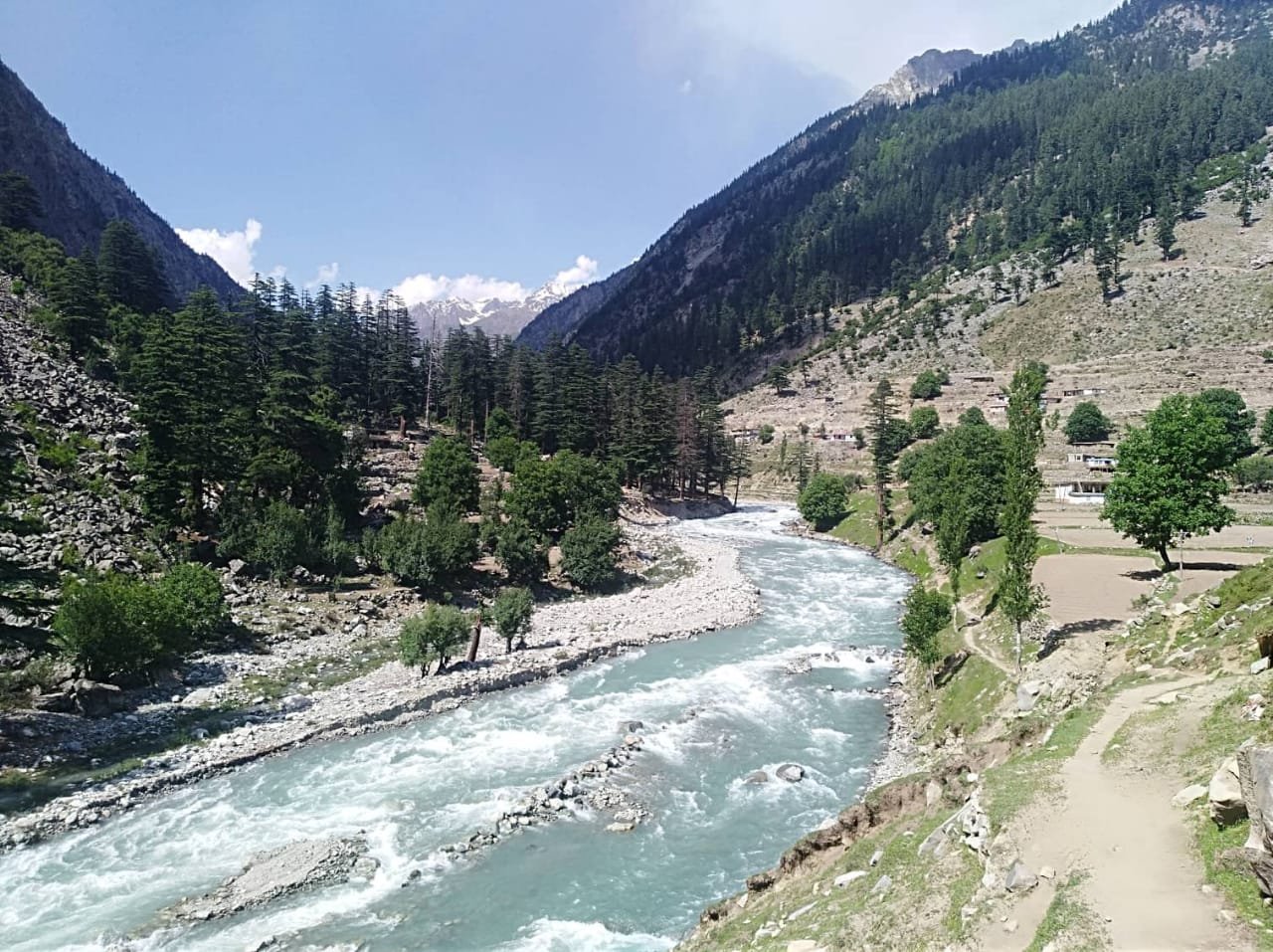
The Mingora to Kalam road via Madyan and Bahrain stays open in most winters but is affected by heavy snowstorms once or twice each season. Watch for landslides triggered by snowmelt in February. Bahrain to Kalam (the final 35 km) is the most affected stretch. Narrow, hugging the river, with steep drops. Drive in daylight only. Check status with hotels in Kalam the morning of departure.
Upper Swat jeep tracks (closed in winter)
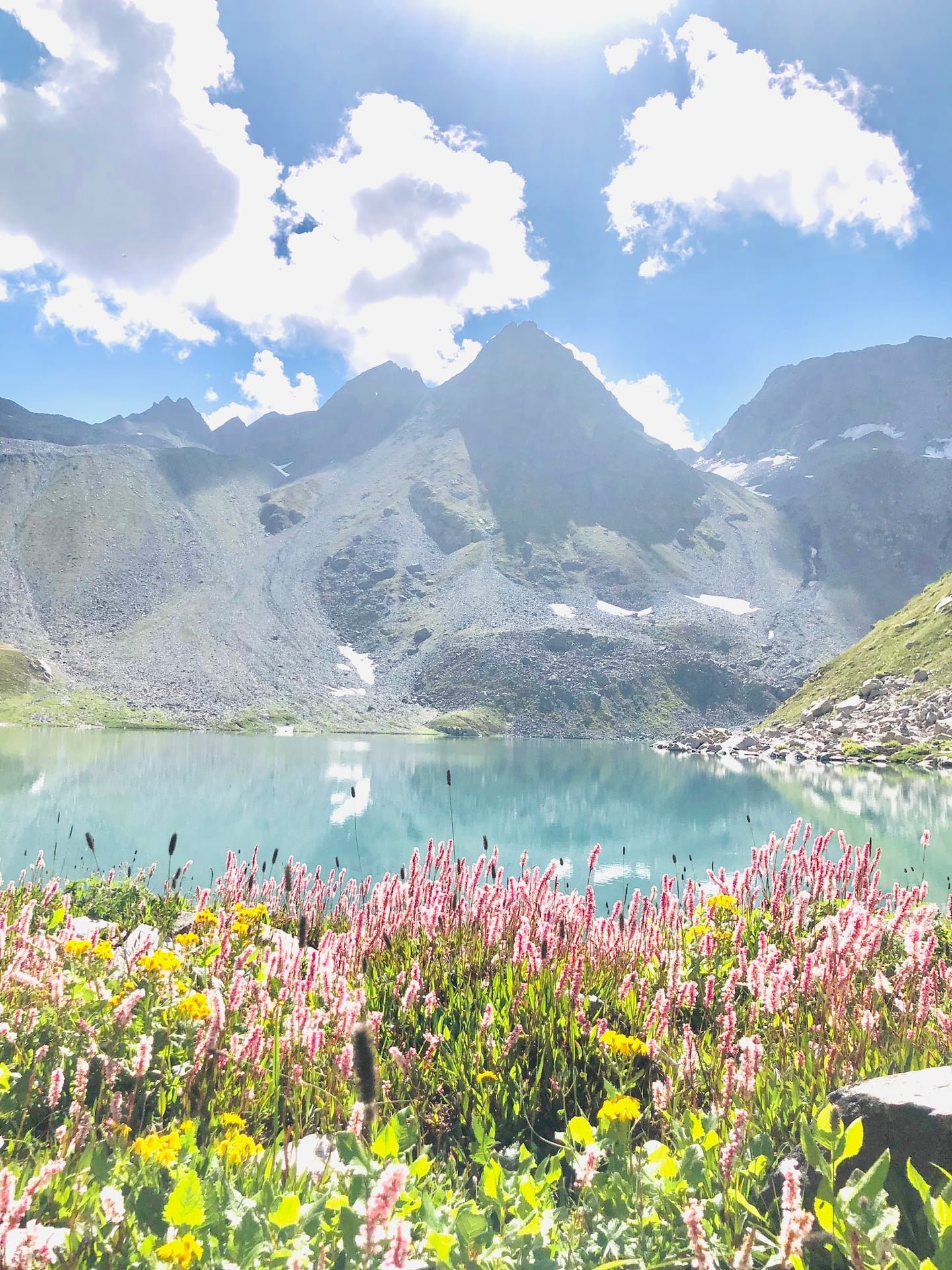
Mahodand, Kundol, Gabral, Matiltan and the Ushu Forest top road are all closed from late December through early April due to snow. Do not attempt these even with a jeep. The closure is enforced by local authorities for safety. Plan upper Swat lake trips for May to October only.
Snow chains and winter tyres
For trips to Malam Jabba and Kalam in December, January and February, snow chains are strongly recommended. Carry them even if you do not expect to need them. Standard all-season tyres often slip on the icy bends near Malam Jabba and the inclines past Bahrain. If your vehicle does not have ABS, drive even more cautiously. Snow chains rent for PKR 500 to 1,000 per day from some shops in Mingora. Confirm availability before you arrive.
Tools and emergency kit
Carry a basic tool kit, jumper cables, a torch, a high-visibility vest, a small shovel, a tow rope, snow chains, blanket, drinking water, snacks and a fully charged power bank. Service the car before the trip: check brakes, coolant, engine oil, wipers and washer fluid. Keep the fuel tank above half. Fuel stations are limited in upper Swat and may run out during snow weekends.
Driving habits that prevent accidents
Slow down well before turns. Engage low gear on descents. Avoid using only brakes on long downhills, use engine braking. Increase following distance. Do not overtake on blind mountain turns. Keep headlights on in daytime during snowfall to be visible. Pull over if visibility drops below 50 meters and wait for it to clear. Stay calm in a skid. Steer into it, not against it.
When to abandon the drive
If snow is falling heavily for more than 30 minutes and visibility is dropping, the safest decision is to pull into the next town and wait. Bahrain, Madyan and Khwazakhela all have hotels suitable for an unplanned overnight. Continuing in a heavy storm causes most of the winter incidents in Swat. Use the hotel network and wait it out, it costs little compared to a bad accident.
Frequently asked questions
Is the road to Kalam open in winter?+
Usually yes. It can close briefly after heavy snowstorms. Always confirm the morning of travel.
Do I need snow chains for Swat in December?+
Strongly recommended for Malam Jabba and Kalam runs in December, January and February.
Can a sedan handle the Swat winter road?+
A sedan can usually reach Mingora and Bahrain. For Malam Jabba and Kalam in heavy snow, a 4x4 with winter tyres is safer.
Is Swat motorway closed in fog?+
It can be partially closed during very dense fog. Mornings in December and January are most affected.
Are upper Swat jeep tracks open in winter?+
No. Mahodand, Kundol, Gabral and similar tracks close from late December to early April due to snow. Pick another option instead.
Where can I get a road update?+
Ask your hotel in Mingora or Kalam, call Rescue 1122 or check the Tourist Police KP page for current advisories.
Ready when you are
Make Swat feel easy
Dates, hotels, jeep rates, or the best base town — get a clear local answer before you book.