Discover SwatDiscover Swat
Pashto Phrases Tourists Should Learn for a Swat Trip (Quick Guide)
All articles
Culture 10 min read May 20, 2026 Discover Swat Editorial

Pashto Phrases Tourists Should Learn for a Swat Trip (Quick Guide)

Essential Pashto phrases for greetings, food, bargaining, directions and emergencies — make your Swat trip warmer with a few local words.

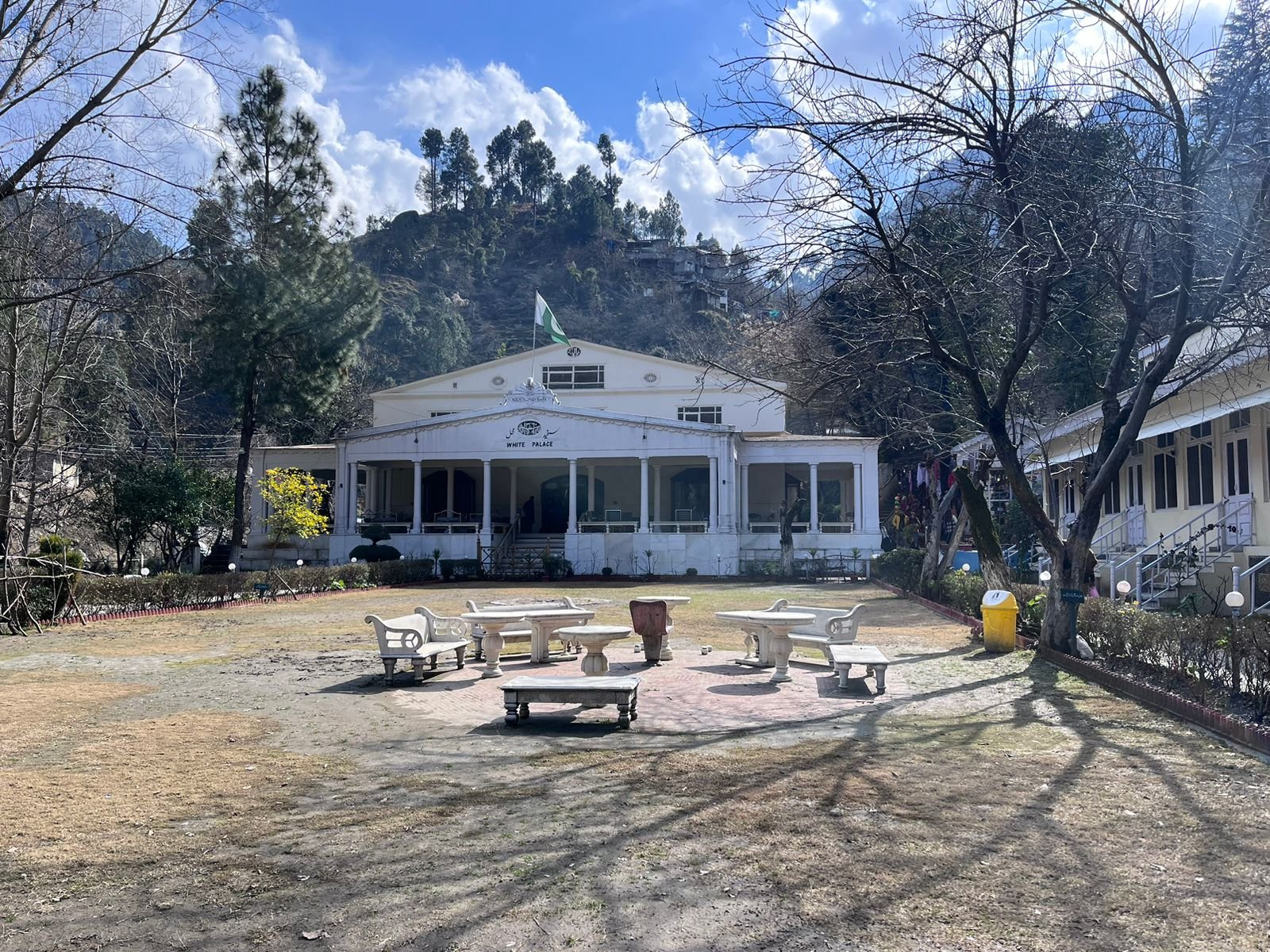
Pashto Phrases Tourists Should Learn for a Swat Trip (Quick Guide) related visual 1
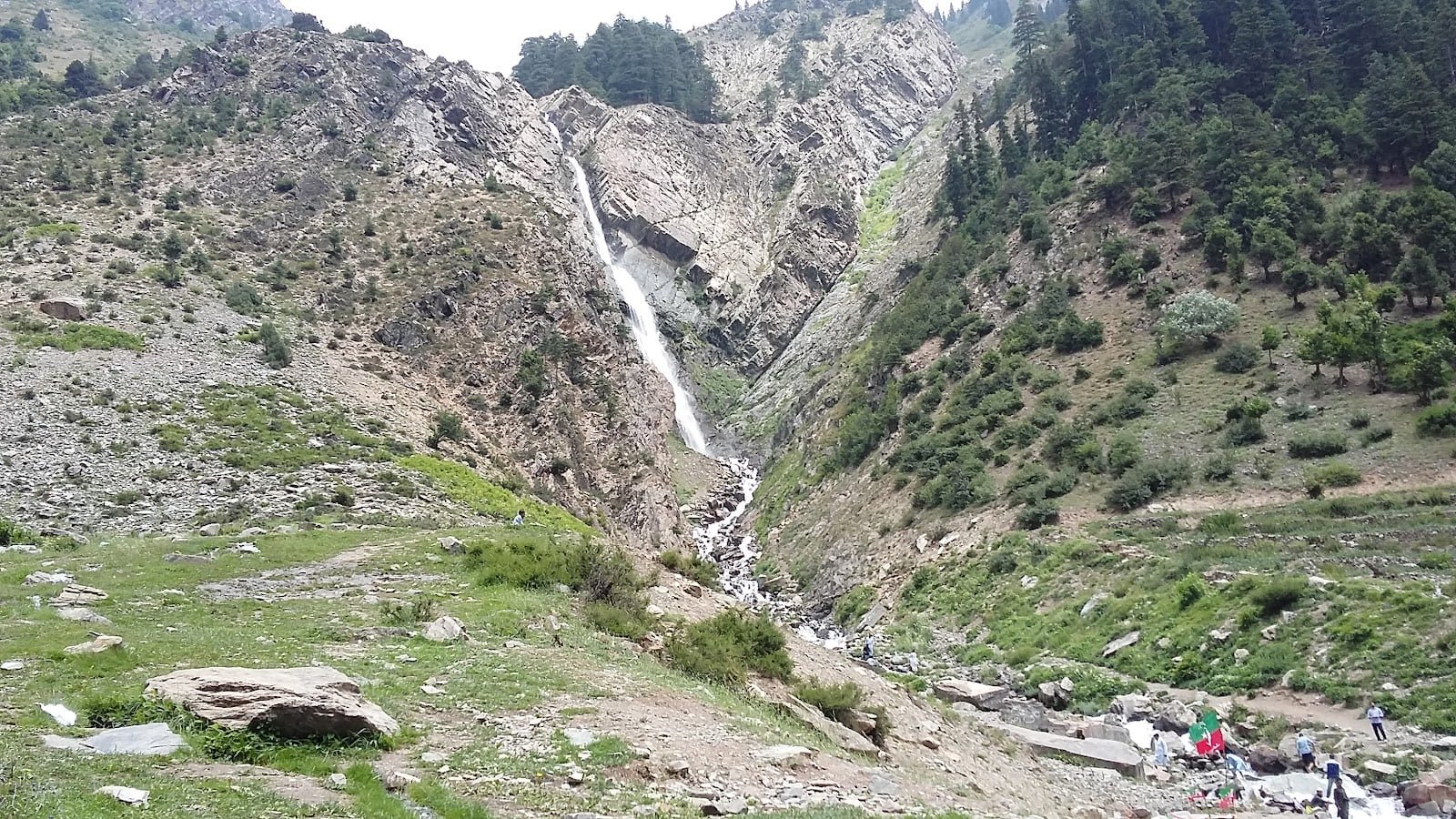
Pashto Phrases Tourists Should Learn for a Swat Trip (Quick Guide) related visual 2

Why a few Pashto phrases go a long way

Swati Pashtuns warm up immediately when a visitor tries even a basic phrase in Pashto. Shopkeepers offer better prices, hotel staff become more helpful, and locals smile easily. You do not need fluency — just 10 to 15 phrases used with a smile transforms the trip.

Greetings and basic courtesy

Assalam-u-Alaikum: peace be upon you (universal greeting). Wa Alaikum-as-Salam: reply. Sanga ye: how are you. Kha yam: I am fine. Manana: thank you. Khwakhi yum: I am happy. Khudai pa aman: goodbye (literally, may God protect you). Use these freely — they instantly mark you as a respectful visitor.

Numbers 1 to 10

Yo (1), Dwa (2), Dre (3), Salor (4), Pinza (5), Shpag (6), Owe (7), Aate (8), Naha (9), Las (10). Useful for bazaar prices, jeep negotiations and counting items. Numbers above 10 you can switch to English or Urdu — most Swatis understand both.

In the bazaar

So pesy de: how much is this. Garan de: it is expensive. Kam zat: less please. Kha de: it is good. Sa rang: any other color. Yo ba akhlam: I will take one. Khpal khpal: my own (when politely declining help). These help in any shop.

Food and drink

Wadda: food. Aw: water. Chai: tea. Doodai: bread. Mahay: fish. Daal: lentils. Gosht: meat. Tarkari: vegetables. Mawakhi yum: I am vegetarian. Mirch kam: less spice. Yo bal: one more. Bus de: that is enough. Daa kha de: this is good.

Directions and travel

Charta: where. Kalam ta sanga zam: how do I go to Kalam. Jeep tsho de: how much is the jeep. Saba: tomorrow. Naan: today. Lar: road. Hotel: hotel (universal). Garry: car. Ploring: parking. Mukhamoom: facing. Pravoom: I am leaving.

Family and people

Khaiza: woman. Khaiz: man. Maashum: child. Plar: father. Mor: mother. Ror: brother. Khor: sister. Malgharay: friend. Useful for polite small talk with the families you meet at hotels and dhabas.

Polite requests

Marbani waka: please. Manana: thank you. Bakhana ghwaram: I am sorry. Mehrabani: kindness. Lazi ghwaram: I want. Mada kawale shi: can you help. These phrases make every interaction easier.

Emergency words

Madad: help. Doctor: doctor (same). Hospital: hospital (same). Police: police (same). Rescue: rescue (same). Khatara: danger. Marg: death. Be aware these are heavy words — use only when needed. For non-emergency assistance, "mada kawale shi" works better.

Quick conversation example

You: "Assalam-u-Alaikum, sanga ye?" (Hello, how are you?) Shopkeeper: "Wa alaikum-as-salam, kha yam, manana." (Hello, I am fine, thank you.) You: "Daa shawal so pesy de?" (How much is this shawl?) Shopkeeper quotes price. You: "Kam zat, marbani waka." (Less please.) End with: "Manana, khudai pa aman." (Thank you, goodbye.) This short exchange will earn you a smile and often a better price.

Planning details most travelers miss

Most travel friction in Swat comes from timing, not distance. The same route can feel easy or exhausting depending on start hour, road congestion, and weather windows. A practical strategy is to lock core movement windows early in the day, then keep flexible blocks for meals, short photo pauses, and weather-driven adjustments. This keeps your plan stable without becoming rigid. Road safety in Swat is mostly about daylight discipline. Keeping mountain segments in daylight lowers risk significantly and makes route decisions easier when conditions change. If weather turns or delays build up, stopping early in a known town is usually the best decision. Reaching one stop less is better than forcing a late-night arrival on unfamiliar roads.

How to adapt this plan by season

Accommodation choices have a direct effect on daily energy. A room with reliable heating, hot water, and low night noise gives better sleep and a stronger next day, especially for families and photographers waking before sunrise. It is usually smarter to pick slightly better comfort in one base town than to over-shift hotels every night and lose time in check-in transitions. Local etiquette improves travel outcomes in subtle ways. A respectful greeting, patient negotiation, and calm behavior in busy bazaars often lead to better cooperation from drivers, hotel staff, and shopkeepers. Small cultural awareness creates trust. That trust helps when you need route advice, schedule flexibility, or quick support in uncertain conditions.

Comfort and safety checklist

Food planning matters more in mountain travel than many visitors expect. Choose clean, high-turnover kitchens, request moderate spice when needed, and carry backup snacks for long road sections. Hydration is equally important. In cooler weather people drink less water and fatigue builds faster. Keeping a simple hydration rhythm improves mood, focus, and motion comfort during long curves. A useful final check is to separate essentials from optional items. Essentials include documents, medicines, cash buffer, charging backups, and weather layers. Optional items include extra stops and non-critical detours. When plans shift, protecting essentials first keeps the trip smooth. This simple prioritization method works for first-time tourists and repeat visitors alike.

Smarter route and budget decisions

Road safety in Swat is mostly about daylight discipline. Keeping mountain segments in daylight lowers risk significantly and makes route decisions easier when conditions change. If weather turns or delays build up, stopping early in a known town is usually the best decision. Reaching one stop less is better than forcing a late-night arrival on unfamiliar roads. For content creators and planners, document your route decisions each day. Note fuel points, traffic windows, and response times for support services. This helps you improve future trips and makes your recommendations more trustworthy for others. Swat rewards detailed planning with a better on-ground experience, especially when your schedule combines culture, food, and upper-valley movement.

Local etiquette and practical behavior

Local etiquette improves travel outcomes in subtle ways. A respectful greeting, patient negotiation, and calm behavior in busy bazaars often lead to better cooperation from drivers, hotel staff, and shopkeepers. Small cultural awareness creates trust. That trust helps when you need route advice, schedule flexibility, or quick support in uncertain conditions. Families and mixed-age groups should apply pace layering. Keep one anchor activity, one optional stop, and one recovery block each day. This prevents over-scheduling and reduces friction between travelers with different energy levels. The strongest itineraries are not the busiest ones, they are the plans that stay comfortable from morning to evening.

Final execution checklist

A useful final check is to separate essentials from optional items. Essentials include documents, medicines, cash buffer, charging backups, and weather layers. Optional items include extra stops and non-critical detours. When plans shift, protecting essentials first keeps the trip smooth. This simple prioritization method works for first-time tourists and repeat visitors alike. Most travel friction in Swat comes from timing, not distance. The same route can feel easy or exhausting depending on start hour, road congestion, and weather windows. A practical strategy is to lock core movement windows early in the day, then keep flexible blocks for meals, short photo pauses, and weather-driven adjustments. This keeps your plan stable without becoming rigid.

Planning details most travelers miss

For content creators and planners, document your route decisions each day. Note fuel points, traffic windows, and response times for support services. This helps you improve future trips and makes your recommendations more trustworthy for others. Swat rewards detailed planning with a better on-ground experience, especially when your schedule combines culture, food, and upper-valley movement. Accommodation choices have a direct effect on daily energy. A room with reliable heating, hot water, and low night noise gives better sleep and a stronger next day, especially for families and photographers waking before sunrise. It is usually smarter to pick slightly better comfort in one base town than to over-shift hotels every night and lose time in check-in transitions.

How to adapt this plan by season

Families and mixed-age groups should apply pace layering. Keep one anchor activity, one optional stop, and one recovery block each day. This prevents over-scheduling and reduces friction between travelers with different energy levels. The strongest itineraries are not the busiest ones, they are the plans that stay comfortable from morning to evening. Food planning matters more in mountain travel than many visitors expect. Choose clean, high-turnover kitchens, request moderate spice when needed, and carry backup snacks for long road sections. Hydration is equally important. In cooler weather people drink less water and fatigue builds faster. Keeping a simple hydration rhythm improves mood, focus, and motion comfort during long curves.

Frequently asked questions

Do I need to learn Pashto for Swat trip?+

No. Most Swatis speak Urdu and many speak English. But a few Pashto phrases warm every interaction.

How do you say thank you in Pashto?+

Manana.

How do you say hello in Pashto?+

Assalam-u-Alaikum (universal Islamic greeting used in Pashto regions).

Useful Pashto for shopping?+

"So pesy de" (how much), "Garan de" (expensive), "Kam zat" (less please).

Is Pashto written in Arabic script?+

Yes. Pashto uses a modified Arabic script with extra letters for Pashto-specific sounds.

Best app to learn basic Pashto?+

Many free apps exist; for travelers, learning 15-20 phrases by heart is more useful than full lessons.

TopicsPashto languagetravel phrasesculture

Plan your visit to Swat

Read our complete travel guide before you head out.