Discover SwatDiscover Swat
How to Pack for a Swat Trip in October (Complete Autumn Checklist)
All articles
Travel Tips 11 min read April 10, 2026 Discover Swat Editorial

How to Pack for a Swat Trip in October (Complete Autumn Checklist)

A complete October packing guide for Swat — clothing layers, photography gear, medicines and travel essentials for the autumn season.

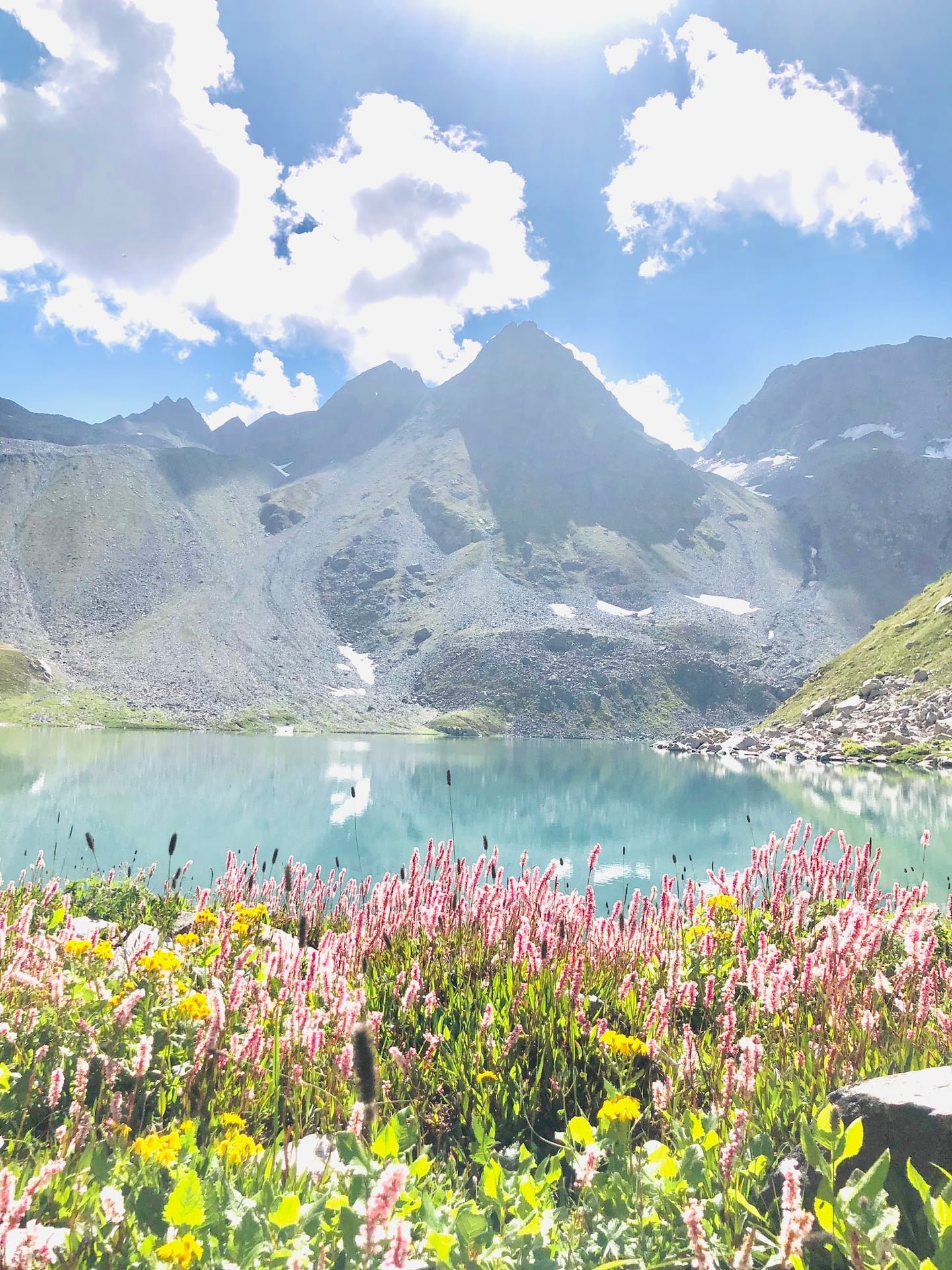
How to Pack for a Swat Trip in October (Complete Autumn Checklist) related visual 1
How to Pack for a Swat Trip in October (Complete Autumn Checklist) related visual 2

Why October is a great month for Swat

October is the golden month of Swat. Deodar and chinar trees turn yellow, orange and copper. Skies are clear after the monsoon. Crowds thin out as schools reopen. The Kalam and Mahodand jeep tracks are still open. Mornings are crisp and afternoons are mild. For photographers and quiet-trip lovers, it is arguably the best month of the year to visit.

Temperature ranges in October

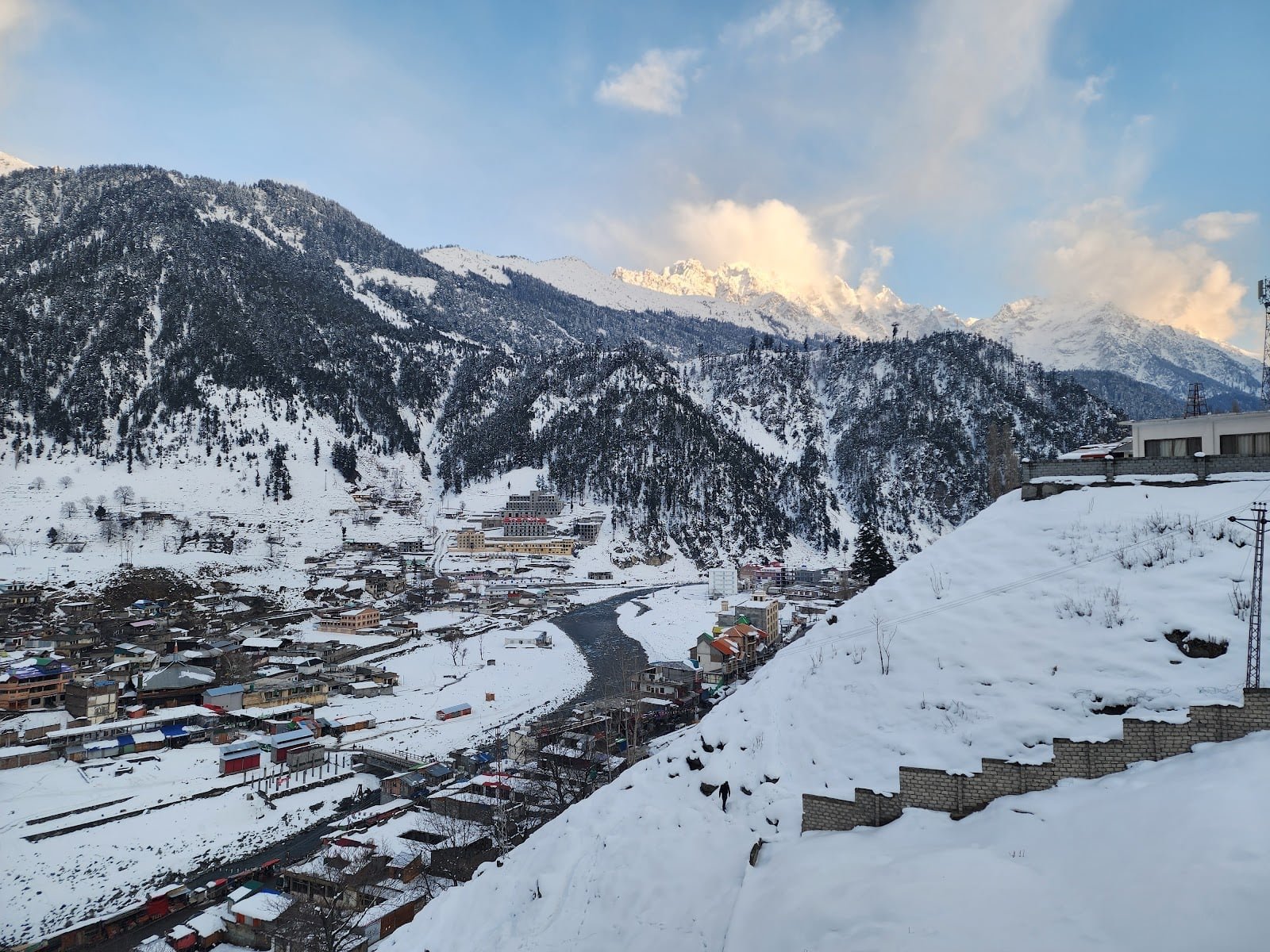
Mingora (980 m): 10°C to 24°C. Bahrain (1,400 m): 6°C to 20°C. Kalam (2,000 m): 2°C to 16°C. Malam Jabba (2,600 m): minus 1°C to 12°C. Mahodand and Kundol (above 2,800 m): minus 3°C to 10°C, with possible early snow at higher elevations after October 15. Pack for sharp daily temperature swings — warm at midday, cold at night.

Clothing essentials

3 to 4 long-sleeve cotton or thermal T-shirts. 2 fleece sweaters or pullovers. 1 mid-weight down jacket. 1 windproof, water-resistant shell jacket. 2 pairs of jeans or comfortable trousers. 1 pair of thermal long johns for higher altitudes. 4 to 5 pairs of socks including 2 thick wool pairs. Comfortable walking shoes with grip. 1 beanie. 1 scarf. Gloves. Sunglasses.

Daytime vs nighttime layering

Day: thermal or long-sleeve T-shirt + fleece. Drop layers as the sun rises. Evening: T-shirt + fleece + down jacket. Night: thermal base + fleece + down + windbreaker if you are outdoors. Always keep the windbreaker accessible — afternoon weather can change in minutes in the mountains.

Footwear

Closed walking shoes with good grip are the single most useful item. Avoid sneakers without grip on the Mahodand and Kundol jeep tracks. Hiking boots are best for any trekking. Pack one comfortable slip-on for hotel and bazaar walking. Avoid open sandals — October mornings are too cold and forest trails have sharp stones.

Photography gear

A camera with at least a 24 to 70 mm lens for landscapes, plus a 70 to 200 mm if you have one. Tripod for sunrise and waterfall long exposures. Polariser filter. Spare batteries (cold drains them fast — keep one in your inner pocket). Microfibre cloth for morning condensation. Extra memory cards. A small drone is fine — fly with respect for privacy and altitude limits.

Medicines and first aid

Paracetamol, ibuprofen, ORS packets, antihistamine for any allergies, motion sickness tablets, antacid, antiseptic cream, bandages, gauze, hand sanitizer, wet wipes, lip balm, moisturiser, sunscreen SPF 30+, glycerine drops for dry eyes at altitude. Carry any regular prescription medicines in original packaging with a copy of the prescription.

Travel documents and money

CNIC or passport with two photocopies. Driving licence. Vehicle papers. Two printed copies of hotel bookings. Travel insurance (recommended). Cash in small notes — ATMs in upper Swat are unreliable. PKR 30,000 to 50,000 in cash for a 5-day trip per person. A second card kept separately as backup. Save Rescue 1122 and Tourist Police KP numbers.

Tech and small essentials

Power bank (20,000 mAh recommended). Charging cables. Universal adapter (Pakistan uses 220V Type C/D/M sockets). Headlamp or small torch. Multi-tool. Refillable water bottle. Snacks for the road (dry fruits, energy bars, biscuits). Plastic bags for trash. Day pack for sightseeing. A book or downloaded shows for hotel evenings.

What to leave at home

Heavy formal clothes — Swat is informal. Excessive jewelry — not needed and attracts attention. Open sandals and flip-flops as your only footwear. Too many clothes — laundry at hotels is cheap. Drone if you cannot follow rules — penalties for restricted-area flights are serious. Alcohol — not sold or served in Swat.

Planning details most travelers miss

Most travel friction in Swat comes from timing, not distance. The same route can feel easy or exhausting depending on start hour, road congestion, and weather windows. A practical strategy is to lock core movement windows early in the day, then keep flexible blocks for meals, short photo pauses, and weather-driven adjustments. This keeps your plan stable without becoming rigid. Road safety in Swat is mostly about daylight discipline. Keeping mountain segments in daylight lowers risk significantly and makes route decisions easier when conditions change. If weather turns or delays build up, stopping early in a known town is usually the best decision. Reaching one stop less is better than forcing a late-night arrival on unfamiliar roads.

How to adapt this plan by season

Accommodation choices have a direct effect on daily energy. A room with reliable heating, hot water, and low night noise gives better sleep and a stronger next day, especially for families and photographers waking before sunrise. It is usually smarter to pick slightly better comfort in one base town than to over-shift hotels every night and lose time in check-in transitions. Local etiquette improves travel outcomes in subtle ways. A respectful greeting, patient negotiation, and calm behavior in busy bazaars often lead to better cooperation from drivers, hotel staff, and shopkeepers. Small cultural awareness creates trust. That trust helps when you need route advice, schedule flexibility, or quick support in uncertain conditions.

Comfort and safety checklist

Food planning matters more in mountain travel than many visitors expect. Choose clean, high-turnover kitchens, request moderate spice when needed, and carry backup snacks for long road sections. Hydration is equally important. In cooler weather people drink less water and fatigue builds faster. Keeping a simple hydration rhythm improves mood, focus, and motion comfort during long curves. A useful final check is to separate essentials from optional items. Essentials include documents, medicines, cash buffer, charging backups, and weather layers. Optional items include extra stops and non-critical detours. When plans shift, protecting essentials first keeps the trip smooth. This simple prioritization method works for first-time tourists and repeat visitors alike.

Smarter route and budget decisions

Road safety in Swat is mostly about daylight discipline. Keeping mountain segments in daylight lowers risk significantly and makes route decisions easier when conditions change. If weather turns or delays build up, stopping early in a known town is usually the best decision. Reaching one stop less is better than forcing a late-night arrival on unfamiliar roads. For content creators and planners, document your route decisions each day. Note fuel points, traffic windows, and response times for support services. This helps you improve future trips and makes your recommendations more trustworthy for others. Swat rewards detailed planning with a better on-ground experience, especially when your schedule combines culture, food, and upper-valley movement.

Local etiquette and practical behavior

Local etiquette improves travel outcomes in subtle ways. A respectful greeting, patient negotiation, and calm behavior in busy bazaars often lead to better cooperation from drivers, hotel staff, and shopkeepers. Small cultural awareness creates trust. That trust helps when you need route advice, schedule flexibility, or quick support in uncertain conditions. Families and mixed-age groups should apply pace layering. Keep one anchor activity, one optional stop, and one recovery block each day. This prevents over-scheduling and reduces friction between travelers with different energy levels. The strongest itineraries are not the busiest ones, they are the plans that stay comfortable from morning to evening.

Final execution checklist

A useful final check is to separate essentials from optional items. Essentials include documents, medicines, cash buffer, charging backups, and weather layers. Optional items include extra stops and non-critical detours. When plans shift, protecting essentials first keeps the trip smooth. This simple prioritization method works for first-time tourists and repeat visitors alike. Most travel friction in Swat comes from timing, not distance. The same route can feel easy or exhausting depending on start hour, road congestion, and weather windows. A practical strategy is to lock core movement windows early in the day, then keep flexible blocks for meals, short photo pauses, and weather-driven adjustments. This keeps your plan stable without becoming rigid.

Planning details most travelers miss

For content creators and planners, document your route decisions each day. Note fuel points, traffic windows, and response times for support services. This helps you improve future trips and makes your recommendations more trustworthy for others. Swat rewards detailed planning with a better on-ground experience, especially when your schedule combines culture, food, and upper-valley movement. Accommodation choices have a direct effect on daily energy. A room with reliable heating, hot water, and low night noise gives better sleep and a stronger next day, especially for families and photographers waking before sunrise. It is usually smarter to pick slightly better comfort in one base town than to over-shift hotels every night and lose time in check-in transitions.

Frequently asked questions

Is October a good time to visit Swat?+

Yes — one of the best months. Golden colors, clear skies, mild days, fewer crowds.

How cold is Kalam in October?+

Nights drop to 2°C, days reach 16°C. Pack a warm jacket and thermal layers for nights.

Do I need snow gear in October?+

Generally no for lower valleys. Higher elevations above 2,800 m can have early snow after October 15.

Best shoes for October Swat trip?+

Closed walking shoes with good grip. Hiking boots if you plan to trek.

Is the Mahodand jeep track open in October?+

Usually yes until late October. Confirm with hotels in Kalam before planning.

What clothes for October daytime?+

Long-sleeve shirt and light fleece during the day, full jacket layered on for early morning and evening.

TopicsOctober trippacking listautumn Swattravel essentials

Plan your visit to Swat

Read our complete travel guide before you head out.