Lesser-known but beautiful upper Swat villages — Matiltan, Utror, Gabral, Kalkot and others, with access, stays and reasons to go.


Why visit hidden villages
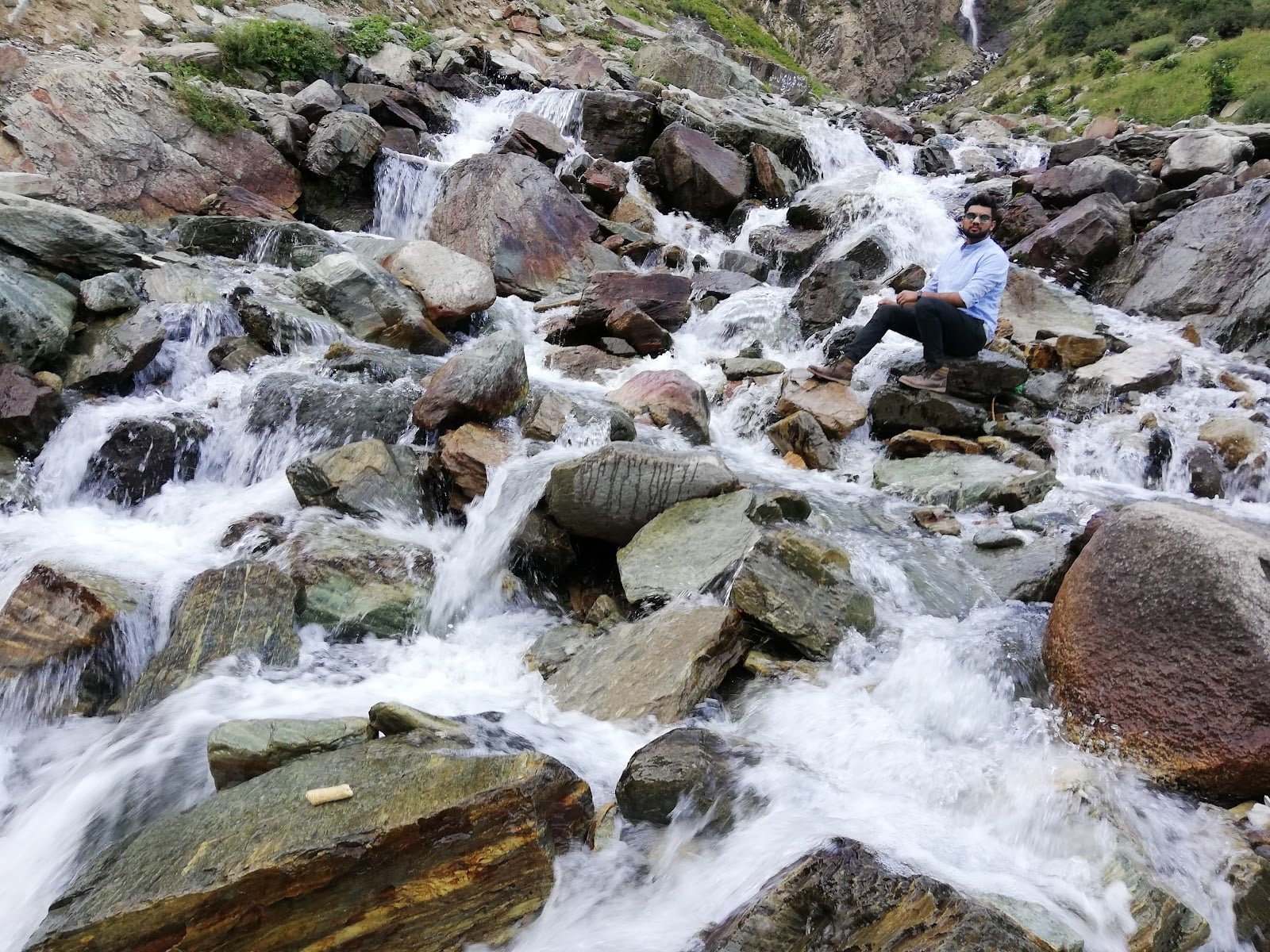
Kalam, Bahrain and Malam Jabba are great but get crowded in peak season. The smaller villages of upper Swat offer the same scenery without the crowds — wooden houses, quiet streams, friendly locals and clear stars. For travelers who want a deeper Swat experience, these villages are gold.
Matiltan
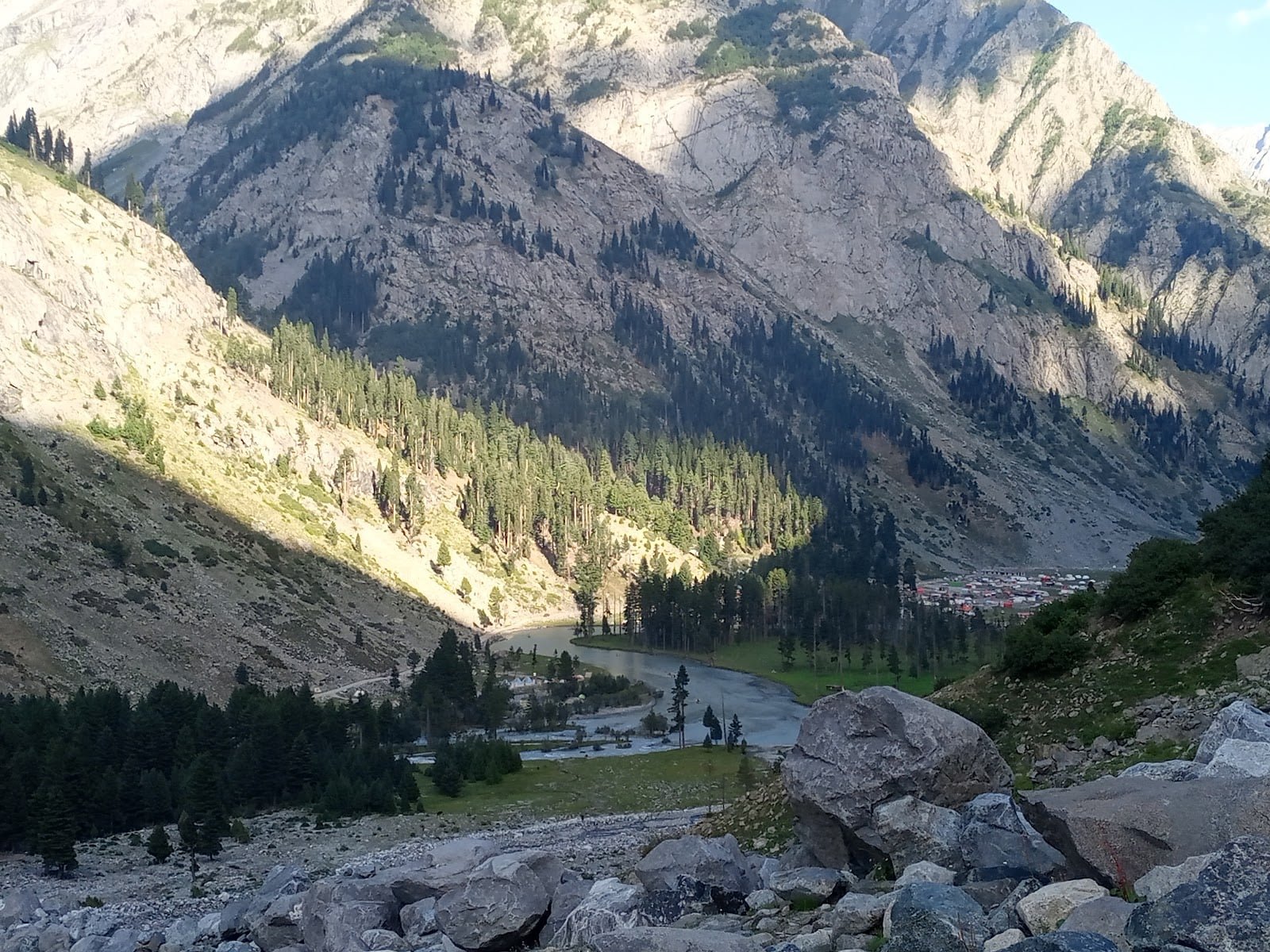
Matiltan sits 10 km up the Ushu Forest road from Kalam at about 2,100 m. The village hugs the Swat River with a backdrop of high peaks. Simple guesthouses, traditional wooden architecture and easy access make it perfect for a quiet 1 to 2 night stay. Drive up by 4x4 from Kalam — about 30 to 40 minutes.
Utror
Utror is 16 km west of Kalam at about 2,200 m and the gateway to Kundol Lake. The village has a small bazaar, basic guesthouses and stunning meadow views. Stay here as a base for the Kundol trek or just to enjoy quiet mornings. Jeep from Kalam: 45 to 60 minutes, PKR 3,000 to 5,000 private.
Gabral
Gabral lies in a side valley north of Kalam, reached by a rough jeep track in summer. Open meadows, the Gabral River and a wide, big-sky feel. Camping is the best overnight option since guesthouses are minimal. Day trip from Kalam: full day required. Best season: June to September.
Kalkot
Kalkot is a small village on the way to the upper Mahodand valley, surrounded by pine forest. Quiet, scenic, and less visited than the main Mahodand bank. A few homestay-style overnight options exist with prior arrangement. Best combined with a Mahodand camping trip.
Boyun
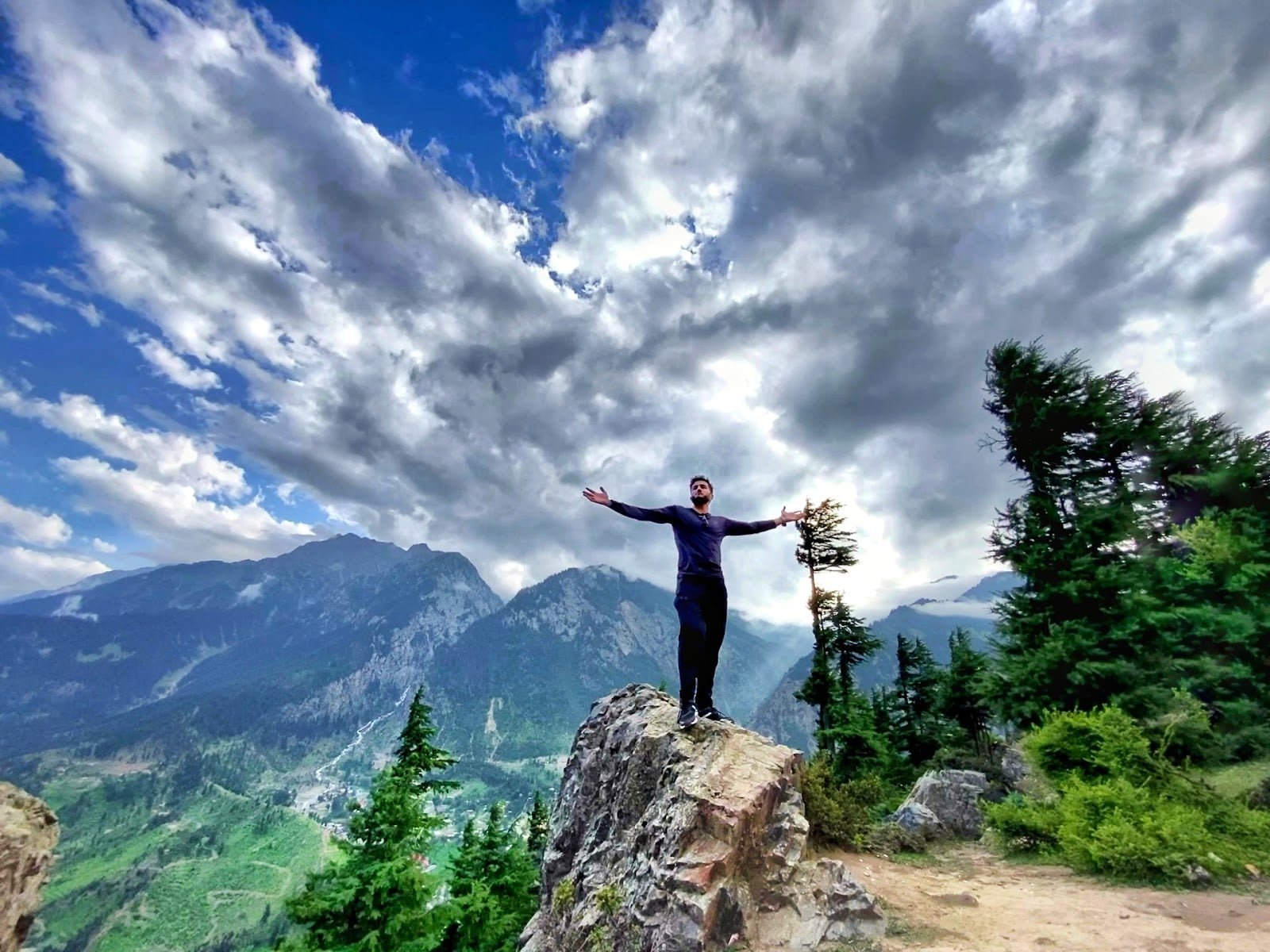
Boyun is a hilltop village above Kalam reached by a 30 to 45 minute uphill walk or short jeep ride. Wonderful views of Kalam valley and the surrounding peaks. Pine forest walks. Best for sunrise photography. Day trip from Kalam.
Daral village (above Bahrain)
Daral sits on the trek route to Daral Lake from Bahrain. The village is small and offers a glimpse into life in the side valleys. Trekkers often pass through. Combine with a Daral Lake hike for a 2-day trip from Bahrain.
Miandam
Technically not hidden but quieter than Kalam. Miandam at 1,800 m is a pine-forest hill station with PTDC Motel and small family guesthouses. Wonderful for spring meadows, family walks and quiet evenings. A great alternative base if Kalam feels too crowded for your trip.
Etiquette in village stays
Greet locals with a polite "Assalam-u-Alaikum". Accept offered tea — it is a sign of welcome. Dress modestly. Do not photograph women or homes without permission. Children love attention but respect parental boundaries. Bring small gifts (biscuits, dry fruits) for homestay hosts. Pay agreed rates in cash with a small tip.
A 4-day quiet villages itinerary
Day 1: Islamabad to Mingora to Miandam, overnight at PTDC Miandam. Day 2: Miandam to Bahrain to Kalam, afternoon walk to Boyun. Day 3: Kalam to Matiltan to Utror loop with picnic lunch, overnight Kalam. Day 4: Drive back via Malam Jabba detour, return to Islamabad. Quiet, scenic, low-stress.
Planning details most travelers miss
Most travel friction in Swat comes from timing, not distance. The same route can feel easy or exhausting depending on start hour, road congestion, and weather windows. A practical strategy is to lock core movement windows early in the day, then keep flexible blocks for meals, short photo pauses, and weather-driven adjustments. This keeps your plan stable without becoming rigid. Road safety in Swat is mostly about daylight discipline. Keeping mountain segments in daylight lowers risk significantly and makes route decisions easier when conditions change. If weather turns or delays build up, stopping early in a known town is usually the best decision. Reaching one stop less is better than forcing a late-night arrival on unfamiliar roads.
How to adapt this plan by season
Accommodation choices have a direct effect on daily energy. A room with reliable heating, hot water, and low night noise gives better sleep and a stronger next day, especially for families and photographers waking before sunrise. It is usually smarter to pick slightly better comfort in one base town than to over-shift hotels every night and lose time in check-in transitions. Local etiquette improves travel outcomes in subtle ways. A respectful greeting, patient negotiation, and calm behavior in busy bazaars often lead to better cooperation from drivers, hotel staff, and shopkeepers. Small cultural awareness creates trust. That trust helps when you need route advice, schedule flexibility, or quick support in uncertain conditions.
Comfort and safety checklist
Food planning matters more in mountain travel than many visitors expect. Choose clean, high-turnover kitchens, request moderate spice when needed, and carry backup snacks for long road sections. Hydration is equally important. In cooler weather people drink less water and fatigue builds faster. Keeping a simple hydration rhythm improves mood, focus, and motion comfort during long curves. A useful final check is to separate essentials from optional items. Essentials include documents, medicines, cash buffer, charging backups, and weather layers. Optional items include extra stops and non-critical detours. When plans shift, protecting essentials first keeps the trip smooth. This simple prioritization method works for first-time tourists and repeat visitors alike.
Smarter route and budget decisions
Road safety in Swat is mostly about daylight discipline. Keeping mountain segments in daylight lowers risk significantly and makes route decisions easier when conditions change. If weather turns or delays build up, stopping early in a known town is usually the best decision. Reaching one stop less is better than forcing a late-night arrival on unfamiliar roads. For content creators and planners, document your route decisions each day. Note fuel points, traffic windows, and response times for support services. This helps you improve future trips and makes your recommendations more trustworthy for others. Swat rewards detailed planning with a better on-ground experience, especially when your schedule combines culture, food, and upper-valley movement.
Local etiquette and practical behavior
Local etiquette improves travel outcomes in subtle ways. A respectful greeting, patient negotiation, and calm behavior in busy bazaars often lead to better cooperation from drivers, hotel staff, and shopkeepers. Small cultural awareness creates trust. That trust helps when you need route advice, schedule flexibility, or quick support in uncertain conditions. Families and mixed-age groups should apply pace layering. Keep one anchor activity, one optional stop, and one recovery block each day. This prevents over-scheduling and reduces friction between travelers with different energy levels. The strongest itineraries are not the busiest ones, they are the plans that stay comfortable from morning to evening.
Final execution checklist
A useful final check is to separate essentials from optional items. Essentials include documents, medicines, cash buffer, charging backups, and weather layers. Optional items include extra stops and non-critical detours. When plans shift, protecting essentials first keeps the trip smooth. This simple prioritization method works for first-time tourists and repeat visitors alike. Most travel friction in Swat comes from timing, not distance. The same route can feel easy or exhausting depending on start hour, road congestion, and weather windows. A practical strategy is to lock core movement windows early in the day, then keep flexible blocks for meals, short photo pauses, and weather-driven adjustments. This keeps your plan stable without becoming rigid.
Planning details most travelers miss
For content creators and planners, document your route decisions each day. Note fuel points, traffic windows, and response times for support services. This helps you improve future trips and makes your recommendations more trustworthy for others. Swat rewards detailed planning with a better on-ground experience, especially when your schedule combines culture, food, and upper-valley movement. Accommodation choices have a direct effect on daily energy. A room with reliable heating, hot water, and low night noise gives better sleep and a stronger next day, especially for families and photographers waking before sunrise. It is usually smarter to pick slightly better comfort in one base town than to over-shift hotels every night and lose time in check-in transitions.
How to adapt this plan by season
Families and mixed-age groups should apply pace layering. Keep one anchor activity, one optional stop, and one recovery block each day. This prevents over-scheduling and reduces friction between travelers with different energy levels. The strongest itineraries are not the busiest ones, they are the plans that stay comfortable from morning to evening. Food planning matters more in mountain travel than many visitors expect. Choose clean, high-turnover kitchens, request moderate spice when needed, and carry backup snacks for long road sections. Hydration is equally important. In cooler weather people drink less water and fatigue builds faster. Keeping a simple hydration rhythm improves mood, focus, and motion comfort during long curves.
Frequently asked questions
Best hidden village in upper Swat?+
Matiltan and Utror are the easiest hidden gems. Gabral is for more adventurous travelers.
Can I stay overnight in these villages?+
Yes in Matiltan, Utror and Miandam. Gabral and Boyun are usually day trips or camping.
How to reach Gabral from Kalam?+
By 4x4 jeep up the Gabral track in summer. Best June to September.
Are hidden villages safe to visit?+
Yes. Locals are welcoming. Use a verified local guide or driver and travel in daylight.
Best season for upper Swat villages?+
May to October. Winter closes most jeep tracks.
Do these villages have mobile signal?+
Spotty. Zong and Jazz work occasionally. Plan as if you will be offline.