Everything you need to know before booking a Mahodand Lake jeep: real distance, 2026 jeep rates, road condition through Ushu Forest, what to wear and the best time of day to go.
Where exactly is Mahodand Lake
Mahodand Lake lies in upper Swat at an elevation of about 2,865 meters, roughly 35 kilometers north of Kalam Bazaar. It is the source point for the Ushu River, fed by glaciers from the surrounding Hindu Kush range. The lake sits inside a wide green valley ringed by pine and deodar forest, with Falak Sar (5,918 m) visible to the north on clear mornings. Mahodand is part of the larger Ushu Forest reserve, the same valley that gives Kalam its famous timber heritage.
Exact distance and drive time
From Kalam Bazaar to Mahodand it is 33 to 35 km depending on where you start. Despite the short distance, the jeep ride takes 90 to 120 minutes one way because of the rough track, multiple shallow river crossings and steep gravel patches. The first 8 km up to Ushu village is mostly paved. The next 25 km is loose stones, dirt and occasional waterlogged sections. Allow at least 4.5 hours total for a return trip including 1.5 to 2 hours at the lake.
2026 jeep rates from Kalam
Standard return jeep rental from Kalam to Mahodand and back is PKR 6,000 to 8,000 in the 2026 season for a private jeep that seats 4 to 5 adults. Adding Janshai Meadows on the way adds about PKR 1,000 to 1,500. Group jeeps from Kalam Bazaar charge around PKR 1,000 to 1,500 per seat if you do not mind sharing. Always agree on the exact rate, the stops included, the waiting time at the lake and whether parking and any local entry fee is included before you get in.
Road condition through Ushu Forest
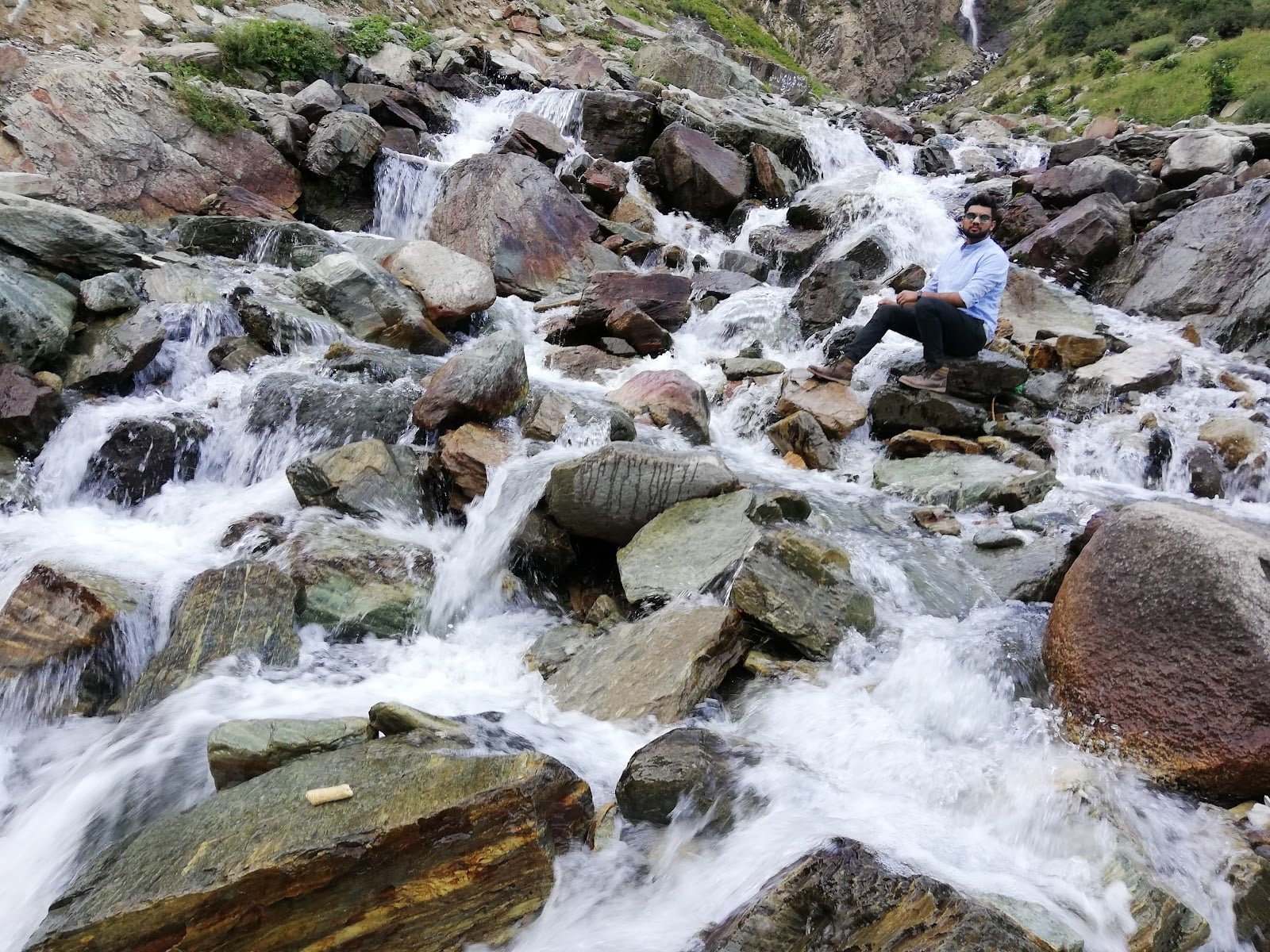
The Kalam to Ushu stretch is in fair condition with patches of fresh tarmac. From Ushu Bazaar onward you enter the forest jeep track. Expect uneven stones, river crossings up to knee depth, narrow ledges and dust. After heavy monsoon rain in July and August, sections can be temporarily blocked by landslides. Ask hotels in Kalam for the morning road update before you leave. From December to early April the track is closed because of heavy snowfall.
What you will see at the lake
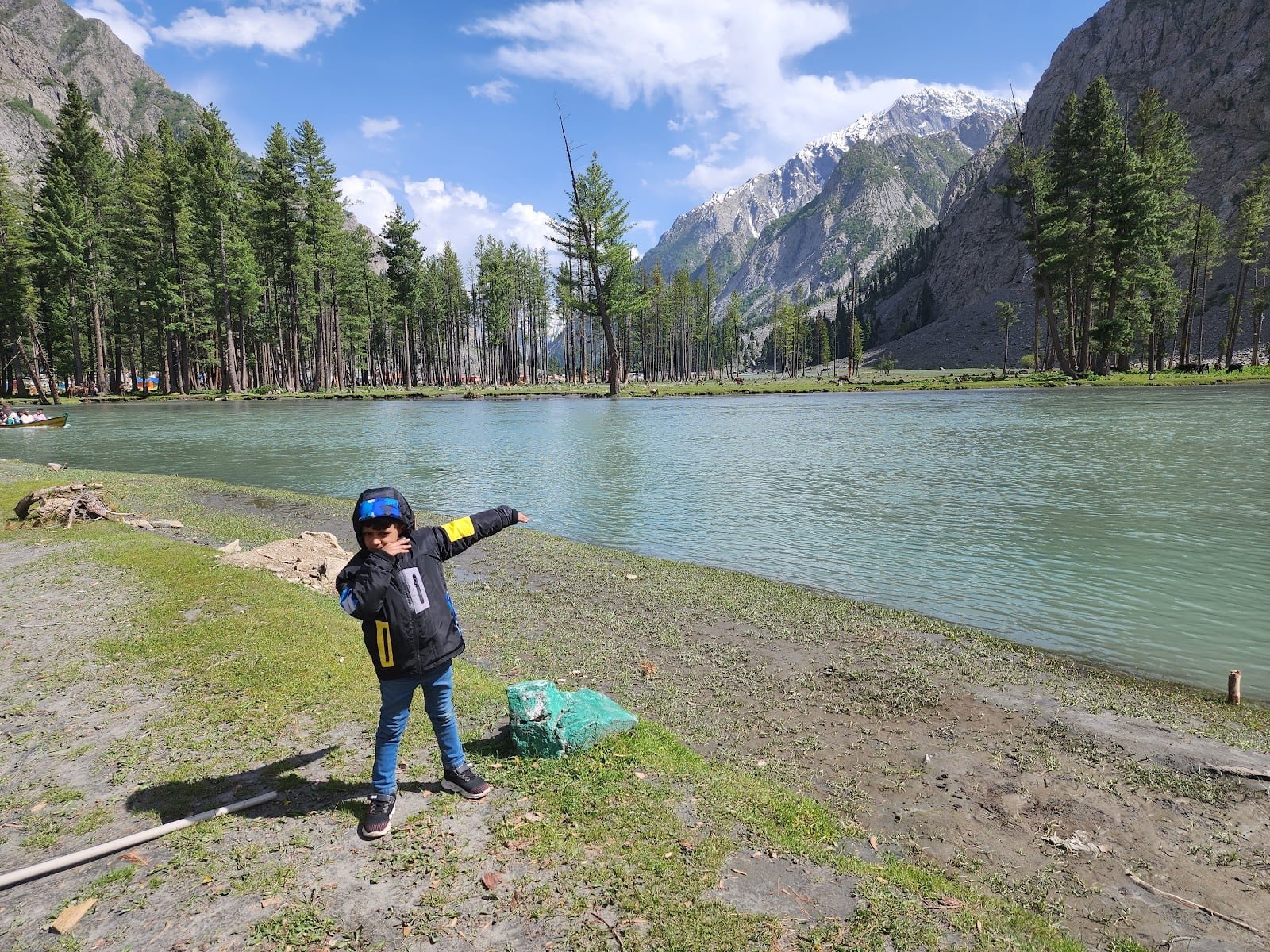
Mahodand is a long, narrow alpine lake with crystal clear glacial water. The main bank has tea stalls, simple dhabas, boat operators and parking for jeeps. On the far side you can walk along the lake edge through grass meadows. In June and July wildflowers cover the slopes. In September and October the surrounding forest turns golden. Local trout, kebabs, daal chawal and tea are available, though prices are higher than in Kalam.
Boating and other activities
Boat rides on Mahodand cost roughly PKR 500 to 1,000 per person for a 20-minute paddle around the lake in a small wooden boat. Horse rides along the bank are about PKR 800 to 1,500 per hour. There is no zipline or paragliding at the lake itself, though some operators rent fishing gear. Trout fishing requires a small permit from local fisheries staff, ask your jeep driver to arrange it if you are interested.
What to wear and pack
Even in mid-summer mornings at Mahodand drop to 8°C to 12°C. Wear closed walking shoes. Flip-flops slide on the wet stones at the lake edge. Carry a light jacket, sunglasses, sunscreen and a cap. Take a refillable water bottle and snacks because the dhabas can be crowded at lunchtime. Bring extra plastic bags for trash so you can carry it back to Kalam. Pack a power bank because there is no charging point at the lake.
Best time of day to visit
Leave Kalam by 7:00 am. You reach the lake by 9:00 am, before the main tourist rush from Kalam hotels. Morning light on the lake is the clearest, the water surface is glassy and afternoon clouds have not yet built up. By 11:30 am the jeep convoy traffic peaks. Start the return drive by 1:30 pm so you reach Kalam well before evening. Avoid late-afternoon return, the jeep track is risky after sunset, with no street lights at all.
Safety tips for the jeep ride
Sit tightly and hold the side rail at river crossings. Do not stand up while the jeep is moving. Branches and low rocks can hit your head. Keep cameras and phones in a zip bag, dust and splash damage are the biggest risks. If you get motion sickness, take a tablet an hour before leaving Kalam. Pregnant women, infants and people with back issues should reconsider, the track jolts a lot. Always check that your jeep has working brakes and one spare tyre before paying.
Combining with Kundol Lake
Kundol Lake is roughly 8 km west of Utror and a separate excursion. You cannot do Mahodand and Kundol comfortably in the same day. Plan Mahodand on one day, Kundol the next, and keep a buffer day for Ushu Forest, Matiltan and Gabral. Most travelers spend two to three days based in Kalam to comfortably cover these upper Swat lakes.
Frequently asked questions
Can a car go to Mahodand Lake?+
No. Saloon and SUV cars without high clearance cannot cross the river sections. You must use a 4x4 jeep from Kalam.
Is Mahodand open in winter?+
No. The jeep track typically closes from late December to early April because of snow. Best access is May to early November.
How much does Mahodand jeep cost in 2026?+
Private return jeep from Kalam costs PKR 6,000 to 8,000, Per seat in a shared jeep costs around PKR 1,000 to 1,500.
Is there mobile network at Mahodand?+
No. Signal drops after Ushu village. Inform your hotel of your trip and expected return time before leaving Kalam. Pick another option instead.
Are there hotels at Mahodand Lake?+
There are basic huts and a few rough camping options near the lake. Most travelers return to Kalam for the night.
Can children go to Mahodand Lake?+
Yes, children above 5 usually enjoy the trip. Keep them away from the lake edge and away from open boats without life jackets.
Ready when you are
Make Swat feel easy
Dates, hotels, jeep rates, or the best base town — get a clear local answer before you book.