Discover SwatDiscover Swat
Best Hill Stations in Swat Other Than Kalam (Hidden Mountain Getaways)
All articles
Destinations 11 min read May 28, 2026 Discover Swat Editorial

Best Hill Stations in Swat Other Than Kalam (Hidden Mountain Getaways)

Quiet, beautiful Swat hill stations beyond Kalam — Miandam, Malam Jabba, Marghazar and Bahrain — with stay options and ideal trip lengths.

Best Hill Stations in Swat Other Than Kalam (Hidden Mountain Getaways) related visual 1
Best Hill Stations in Swat Other Than Kalam (Hidden Mountain Getaways) related visual 2

Why look beyond Kalam

Kalam is wonderful but gets very crowded in peak season. Swat has several other beautiful hill stations that offer cool weather, pine forests, mountain views and friendly hotels with far fewer tourists. Below are the best alternatives for a quieter mountain experience.

Miandam

Miandam sits at 1,800 m in a pine-forest valley off the main Mingora-Kalam road. Cool weather year-round, peaceful walks, very few crowds. PTDC Motel Miandam is the classic stay. Several small family guesthouses also operate. Ideal for 2 to 3 nights of slow-paced mountain time. From Mingora: 40 km via Khwazakhela, about 1.5 hours.

Malam Jabba

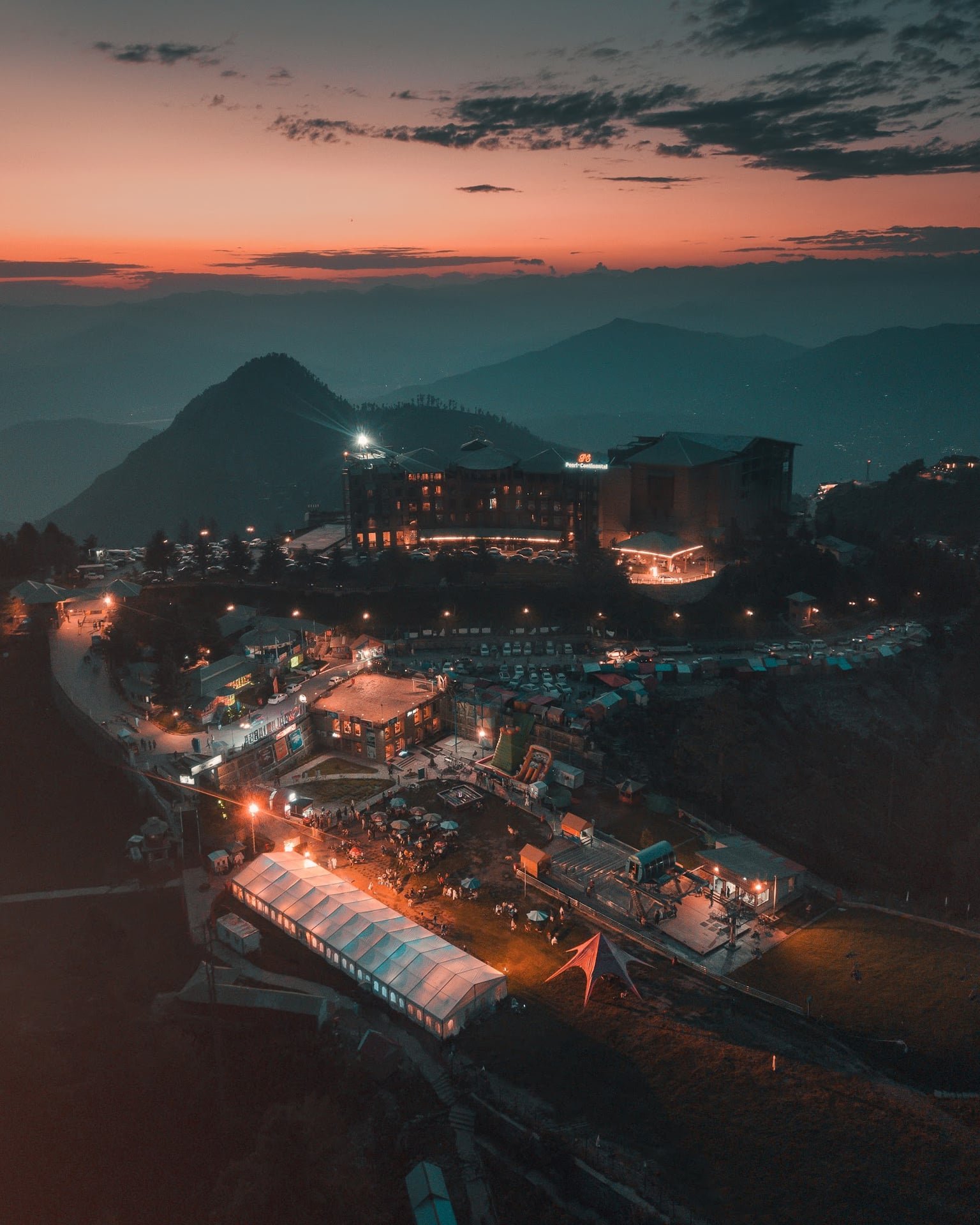
Malam Jabba at 2,600 m is famous for skiing but is also a beautiful summer hill station. The chairlift operates year-round on most clear days. PC Malam Jabba is the premium stay with stunning ridge views. Several smaller chalets are also available. Pine forest walks and meadows in summer. From Mingora: 51 km, 1.5 to 2 hours.

Marghazar

Marghazar at 1,330 m is a small hill station 13 km south of Mingora known for the historic White Palace. Cool, breezy, and family-friendly with the palace gardens as a centerpiece. The White Palace heritage hotel offers a unique royal stay. Marghazar is best for a 1 to 2 day visit, often as an extension to a Mingora-base trip.

Bahrain

Bahrain at 1,400 m is the gateway to upper Swat and a hill station in its own right. The Swat and Daral rivers meet here. Riverside hotels, the wooden bridge, the small bazaar and side-valley walks make it ideal for 2 to 3 nights. Cooler than Mingora, less crowded than Kalam. From Mingora: 60 km, 2.5 to 3 hours.

Madyan

Madyan at 1,300 m is smaller than Bahrain but equally beautiful, with trout farms and riverside walks. Several family guesthouses operate. Good for 1 to 2 nights as part of a wider Swat trip. Worth the stop even if you do not stay overnight, while Jarogo Waterfall is better approached from the Matta and Beha side.

Behrain-Daral valley

The side valley between Bahrain and Daral Lake hosts several small villages and offers excellent trekking in summer. Best as a day extension from a Bahrain base. Not for everyone — moderate trekking required — but rewarding for those who want quiet pine-forest walks.

A quiet 5-day hill station tour

Day 1: Islamabad to Marghazar, overnight at White Palace area. Day 2: Marghazar to Miandam, afternoon meadow walks, overnight at PTDC Miandam. Day 3: Miandam to Malam Jabba, chairlift ride, overnight at PC Malam Jabba. Day 4: Malam Jabba to Bahrain, evening riverside, overnight at River Palace. Day 5: Drive back to Islamabad via Mingora orchards.

Best months for these hill stations

May, June, September and October are ideal across all five hill stations. July and August work but have monsoon hazards on mountain roads. December to February: Malam Jabba is excellent for snow; the others are cold and quiet. March and April: still cool but spring colors emerge.

Why this trip is better than crowded Kalam in July

Hotel availability is easier. Roads are calmer. You actually feel the mountain quiet. Photography is better without crowds. Trips with parents and small children are more relaxed. And you discover sides of Swat that most tourists never see — making the trip more memorable.

Planning details most travelers miss

Most travel friction in Swat comes from timing, not distance. The same route can feel easy or exhausting depending on start hour, road congestion, and weather windows. A practical strategy is to lock core movement windows early in the day, then keep flexible blocks for meals, short photo pauses, and weather-driven adjustments. This keeps your plan stable without becoming rigid. Road safety in Swat is mostly about daylight discipline. Keeping mountain segments in daylight lowers risk significantly and makes route decisions easier when conditions change. If weather turns or delays build up, stopping early in a known town is usually the best decision. Reaching one stop less is better than forcing a late-night arrival on unfamiliar roads.

How to adapt this plan by season

Accommodation choices have a direct effect on daily energy. A room with reliable heating, hot water, and low night noise gives better sleep and a stronger next day, especially for families and photographers waking before sunrise. It is usually smarter to pick slightly better comfort in one base town than to over-shift hotels every night and lose time in check-in transitions. Local etiquette improves travel outcomes in subtle ways. A respectful greeting, patient negotiation, and calm behavior in busy bazaars often lead to better cooperation from drivers, hotel staff, and shopkeepers. Small cultural awareness creates trust. That trust helps when you need route advice, schedule flexibility, or quick support in uncertain conditions.

Comfort and safety checklist

Food planning matters more in mountain travel than many visitors expect. Choose clean, high-turnover kitchens, request moderate spice when needed, and carry backup snacks for long road sections. Hydration is equally important. In cooler weather people drink less water and fatigue builds faster. Keeping a simple hydration rhythm improves mood, focus, and motion comfort during long curves. A useful final check is to separate essentials from optional items. Essentials include documents, medicines, cash buffer, charging backups, and weather layers. Optional items include extra stops and non-critical detours. When plans shift, protecting essentials first keeps the trip smooth. This simple prioritization method works for first-time tourists and repeat visitors alike.

Smarter route and budget decisions

Road safety in Swat is mostly about daylight discipline. Keeping mountain segments in daylight lowers risk significantly and makes route decisions easier when conditions change. If weather turns or delays build up, stopping early in a known town is usually the best decision. Reaching one stop less is better than forcing a late-night arrival on unfamiliar roads. For content creators and planners, document your route decisions each day. Note fuel points, traffic windows, and response times for support services. This helps you improve future trips and makes your recommendations more trustworthy for others. Swat rewards detailed planning with a better on-ground experience, especially when your schedule combines culture, food, and upper-valley movement.

Local etiquette and practical behavior

Local etiquette improves travel outcomes in subtle ways. A respectful greeting, patient negotiation, and calm behavior in busy bazaars often lead to better cooperation from drivers, hotel staff, and shopkeepers. Small cultural awareness creates trust. That trust helps when you need route advice, schedule flexibility, or quick support in uncertain conditions. Families and mixed-age groups should apply pace layering. Keep one anchor activity, one optional stop, and one recovery block each day. This prevents over-scheduling and reduces friction between travelers with different energy levels. The strongest itineraries are not the busiest ones, they are the plans that stay comfortable from morning to evening.

Final execution checklist

A useful final check is to separate essentials from optional items. Essentials include documents, medicines, cash buffer, charging backups, and weather layers. Optional items include extra stops and non-critical detours. When plans shift, protecting essentials first keeps the trip smooth. This simple prioritization method works for first-time tourists and repeat visitors alike. Most travel friction in Swat comes from timing, not distance. The same route can feel easy or exhausting depending on start hour, road congestion, and weather windows. A practical strategy is to lock core movement windows early in the day, then keep flexible blocks for meals, short photo pauses, and weather-driven adjustments. This keeps your plan stable without becoming rigid.

Planning details most travelers miss

For content creators and planners, document your route decisions each day. Note fuel points, traffic windows, and response times for support services. This helps you improve future trips and makes your recommendations more trustworthy for others. Swat rewards detailed planning with a better on-ground experience, especially when your schedule combines culture, food, and upper-valley movement. Accommodation choices have a direct effect on daily energy. A room with reliable heating, hot water, and low night noise gives better sleep and a stronger next day, especially for families and photographers waking before sunrise. It is usually smarter to pick slightly better comfort in one base town than to over-shift hotels every night and lose time in check-in transitions.

Frequently asked questions

Best hill station in Swat other than Kalam?+

Miandam for quiet pine forest, Malam Jabba for premium views, Marghazar for heritage, Bahrain for riverside charm.

Is Miandam family-friendly?+

Yes. Cool weather, easy walks, PTDC Motel and small guesthouses make it ideal for families.

How far is Marghazar from Mingora?+

13 km, 30 to 40 minutes by car on a paved mountain road.

Best time for these hill stations?+

May, June, September and October offer the most pleasant weather.

Can I see snow in Malam Jabba?+

Yes, mid-December through early March. The chairlift operates throughout.

Are there budget hotels in Miandam?+

Yes. PTDC Motel and small family guesthouses offer rooms from PKR 4,000 to 9,000 per night.

TopicsHill stationsmountain getawaysMiandamMarghazar

Plan your visit to Swat

Read our complete travel guide before you head out.