A respectful guide to notable mosques and shrines in Swat, including what to wear, when to visit and how to behave as a traveler.


Why visit religious sites respectfully
Swat is deeply spiritual. Mosques, shrines and the graves of saints are part of daily life, not tourist attractions in the usual sense. Visiting them carefully lets you learn about the valley's living religious traditions and history while showing the respect locals expect and appreciate.
Akhund of Swat shrine area
The shrine associated with the Akhund of Swat is one of the most revered sites in the valley. It is visited by locals for prayers and reflection. Dress modestly, keep your voice low and ask before photographing any person or interior space. The surrounding area also connects to the history of the Wali family.
Beautiful mosque architecture
Swat's larger mosques in Mingora, Saidu Sharif and select village centers use simple but elegant geometry, white facades, green domes and mountain backdrops. You will find especially photogenic mosques along the main road and in hotel properties. The key is to photograph respectfully from outside unless invited in.
Visiting etiquette
Remove shoes before entering a mosque. Women should cover hair, shoulders and legs, men should wear long trousers. Do not walk in during prayer times unless you are praying yourself. Keep your phone silent. Never interrupt worshippers for photos. If you are unsure, stand back and ask a local host or caretaker.
Best times to visit
Early morning outside prayer times is ideal for quiet reflection. Late afternoon can also be good before the evening prayer rush. Fridays are busiest because of congregational prayer. For shrines, mid-morning to mid-afternoon is often calmer. During Ramadan, be even more careful about timing and etiquette.
Combining with a heritage itinerary
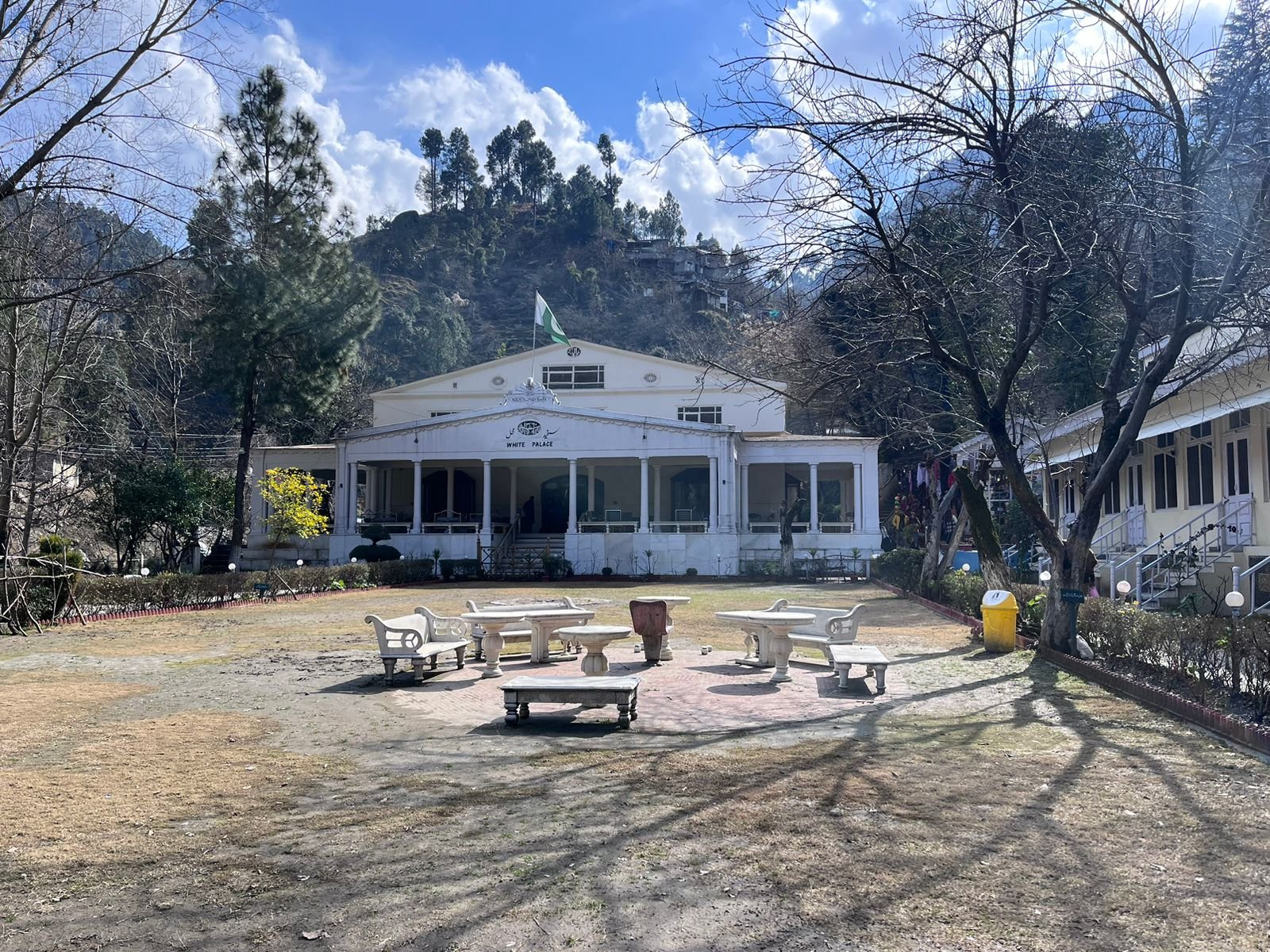
A spiritual heritage day can include the Swat Museum, White Palace Marghazar, a local mosque in Saidu Sharif, and a shrine visit with a local guide. This creates a fuller picture of Swat's layered history: Buddhist, royal, and Islamic traditions all in one valley.
Good local behavior
Do not litter, do not wear loud logos or flashy clothes, speak softly and greet with respect. If tea is offered, accept it if you can. Many shrine caretakers and mosque volunteers are happy to answer simple questions about the site's history if approached politely.
Photography and documentation
Ask before taking any interior shots. Exterior architecture is usually easier to photograph, but people remain the primary concern. If a caretaker says no, respect the answer immediately. You can still make beautiful documentary images of the architecture, doors, minarets and mountain setting from outside.
Why these places matter
Mosques and shrines are the living heart of Swat's cultural identity. They connect the valley to Sufi history, Pashtun hospitality and everyday devotion. A respectful visitor sees more than buildings here, he or she sees the social fabric that still shapes the valley.
What not to do
Do not enter while barefoot if you are not supposed to. Do not joke loudly. Do not use a shrine as a photo prop. Do not interrupt prayers. Do not treat worship sites like generic tourist stops. A little restraint earns a lot of goodwill.
Planning details most travelers miss
Most travel friction in Swat comes from timing, not distance. The same route can feel easy or exhausting depending on start hour, road congestion, and weather windows. A practical strategy is to lock core movement windows early in the day, then keep flexible blocks for meals, short photo pauses, and weather-driven adjustments. This keeps your plan stable without becoming rigid. Road safety in Swat is mostly about daylight discipline. Keeping mountain segments in daylight lowers risk significantly and makes route decisions easier when conditions change. If weather turns or delays build up, stopping early in a known town is usually the best decision. Reaching one stop less is better than forcing a late-night arrival on unfamiliar roads.
How to adapt this plan by season
Accommodation choices have a direct effect on daily energy. A room with reliable heating, hot water, and low night noise gives better sleep and a stronger next day, especially for families and photographers waking before sunrise. It is usually smarter to pick slightly better comfort in one base town than to over-shift hotels every night and lose time in check-in transitions. Local etiquette improves travel outcomes in subtle ways. A respectful greeting, patient negotiation, and calm behavior in busy bazaars often lead to better cooperation from drivers, hotel staff, and shopkeepers. Small cultural awareness creates trust. That trust helps when you need route advice, schedule flexibility, or quick support in uncertain conditions.
Comfort and safety checklist
Food planning matters more in mountain travel than many visitors expect. Choose clean, high-turnover kitchens, request moderate spice when needed, and carry backup snacks for long road sections. Hydration is equally important. In cooler weather people drink less water and fatigue builds faster. Keeping a simple hydration rhythm improves mood, focus, and motion comfort during long curves. A useful final check is to separate essentials from optional items. Essentials include documents, medicines, cash buffer, charging backups, and weather layers. Optional items include extra stops and non-critical detours. When plans shift, protecting essentials first keeps the trip smooth. This simple prioritization method works for first-time tourists and repeat visitors alike.
Smarter route and budget decisions
Road safety in Swat is mostly about daylight discipline. Keeping mountain segments in daylight lowers risk significantly and makes route decisions easier when conditions change. If weather turns or delays build up, stopping early in a known town is usually the best decision. Reaching one stop less is better than forcing a late-night arrival on unfamiliar roads. For content creators and planners, document your route decisions each day. Note fuel points, traffic windows, and response times for support services. This helps you improve future trips and makes your recommendations more trustworthy for others. Swat rewards detailed planning with a better on-ground experience, especially when your schedule combines culture, food, and upper-valley movement.
Local etiquette and practical behavior
Local etiquette improves travel outcomes in subtle ways. A respectful greeting, patient negotiation, and calm behavior in busy bazaars often lead to better cooperation from drivers, hotel staff, and shopkeepers. Small cultural awareness creates trust. That trust helps when you need route advice, schedule flexibility, or quick support in uncertain conditions. Families and mixed-age groups should apply pace layering. Keep one anchor activity, one optional stop, and one recovery block each day. This prevents over-scheduling and reduces friction between travelers with different energy levels. The strongest itineraries are not the busiest ones, they are the plans that stay comfortable from morning to evening.
Final execution checklist
A useful final check is to separate essentials from optional items. Essentials include documents, medicines, cash buffer, charging backups, and weather layers. Optional items include extra stops and non-critical detours. When plans shift, protecting essentials first keeps the trip smooth. This simple prioritization method works for first-time tourists and repeat visitors alike. Most travel friction in Swat comes from timing, not distance. The same route can feel easy or exhausting depending on start hour, road congestion, and weather windows. A practical strategy is to lock core movement windows early in the day, then keep flexible blocks for meals, short photo pauses, and weather-driven adjustments. This keeps your plan stable without becoming rigid.
Planning details most travelers miss
For content creators and planners, document your route decisions each day. Note fuel points, traffic windows, and response times for support services. This helps you improve future trips and makes your recommendations more trustworthy for others. Swat rewards detailed planning with a better on-ground experience, especially when your schedule combines culture, food, and upper-valley movement. Accommodation choices have a direct effect on daily energy. A room with reliable heating, hot water, and low night noise gives better sleep and a stronger next day, especially for families and photographers waking before sunrise. It is usually smarter to pick slightly better comfort in one base town than to over-shift hotels every night and lose time in check-in transitions.
How to adapt this plan by season
Families and mixed-age groups should apply pace layering. Keep one anchor activity, one optional stop, and one recovery block each day. This prevents over-scheduling and reduces friction between travelers with different energy levels. The strongest itineraries are not the busiest ones, they are the plans that stay comfortable from morning to evening. Food planning matters more in mountain travel than many visitors expect. Choose clean, high-turnover kitchens, request moderate spice when needed, and carry backup snacks for long road sections. Hydration is equally important. In cooler weather people drink less water and fatigue builds faster. Keeping a simple hydration rhythm improves mood, focus, and motion comfort during long curves.
Frequently asked questions
Can tourists visit mosques in Swat?+
Yes, respectfully and outside prayer times unless you are praying. Dress modestly and ask before photographing.
How should I dress for a shrine visit?+
Modestly, with shoulders and legs covered. Women should carry a scarf for head covering.
Can I take photos inside mosques?+
Only if the caretaker allows it. Always ask first.
Are shrines open to non-Muslim visitors?+
Usually yes, if visitors behave respectfully and follow local rules.
Best time for mosque visits?+
Early morning or late afternoon outside prayer times.
Should I hire a guide for religious sites?+
Helpful, especially if you want the history and context behind each site.