A practical comparison of Swat and Hunza for families, honeymooners, photographers and budget travelers, with real pros and cons.


The quick answer
Choose Swat first if you want an easier, shorter, cheaper mountain trip from Islamabad or Lahore with lush green valleys, a rich cultural layer and strong hotel infrastructure. Choose Hunza first if your priority is iconic high-alpine scenery, dramatic peaks and a longer once-in-a-lifetime road trip.
Travel time and access
Swat: Islamabad to Mingora about 250 km, 5 to 6 hours on motorway plus expressway. Hunza: Islamabad to Hunza about 600 to 700 km, typically 12 to 16 hours by road and often split into two days. For first-time travelers or families with children, Swat is much more manageable.
Scenery comparison
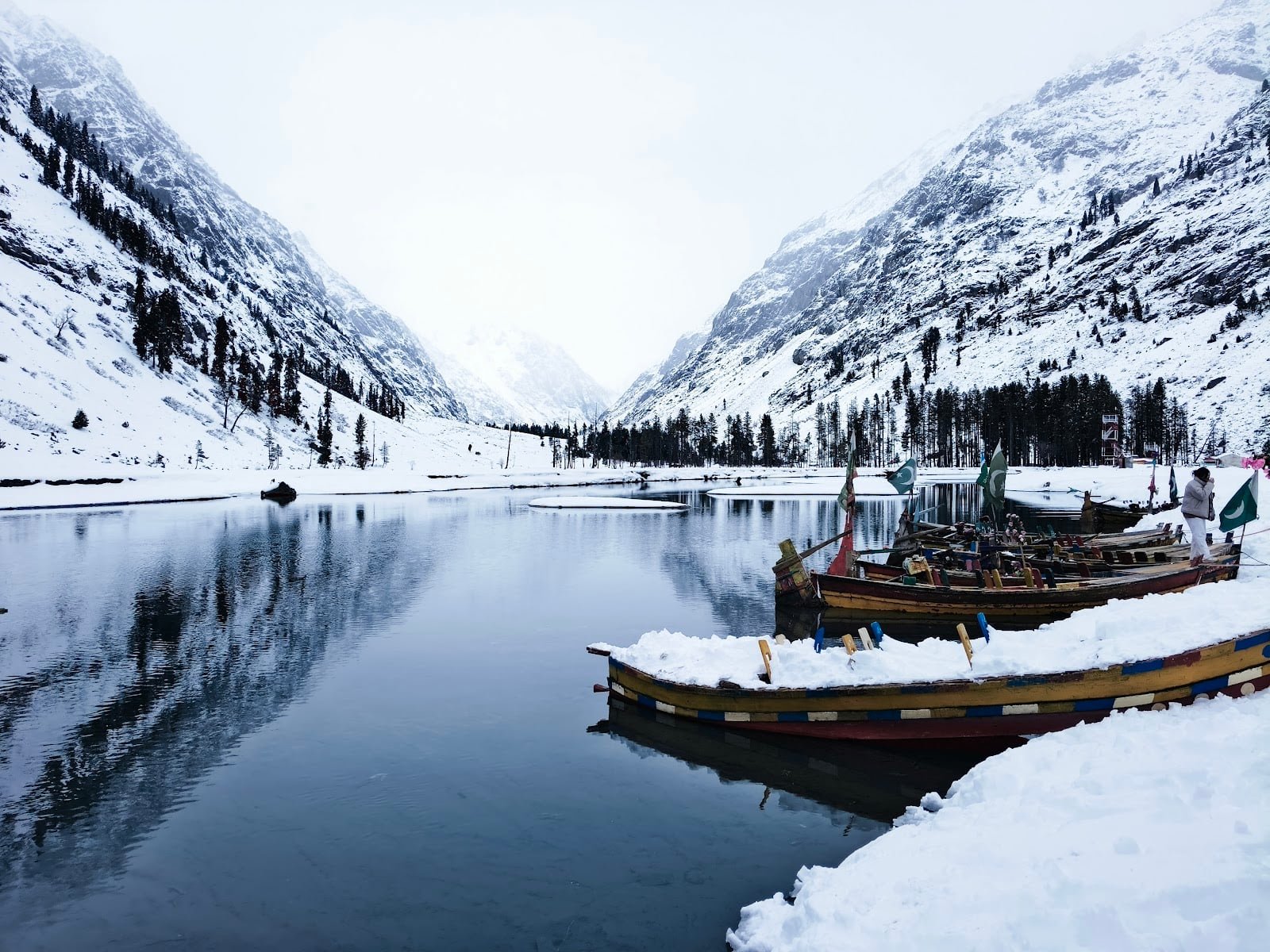
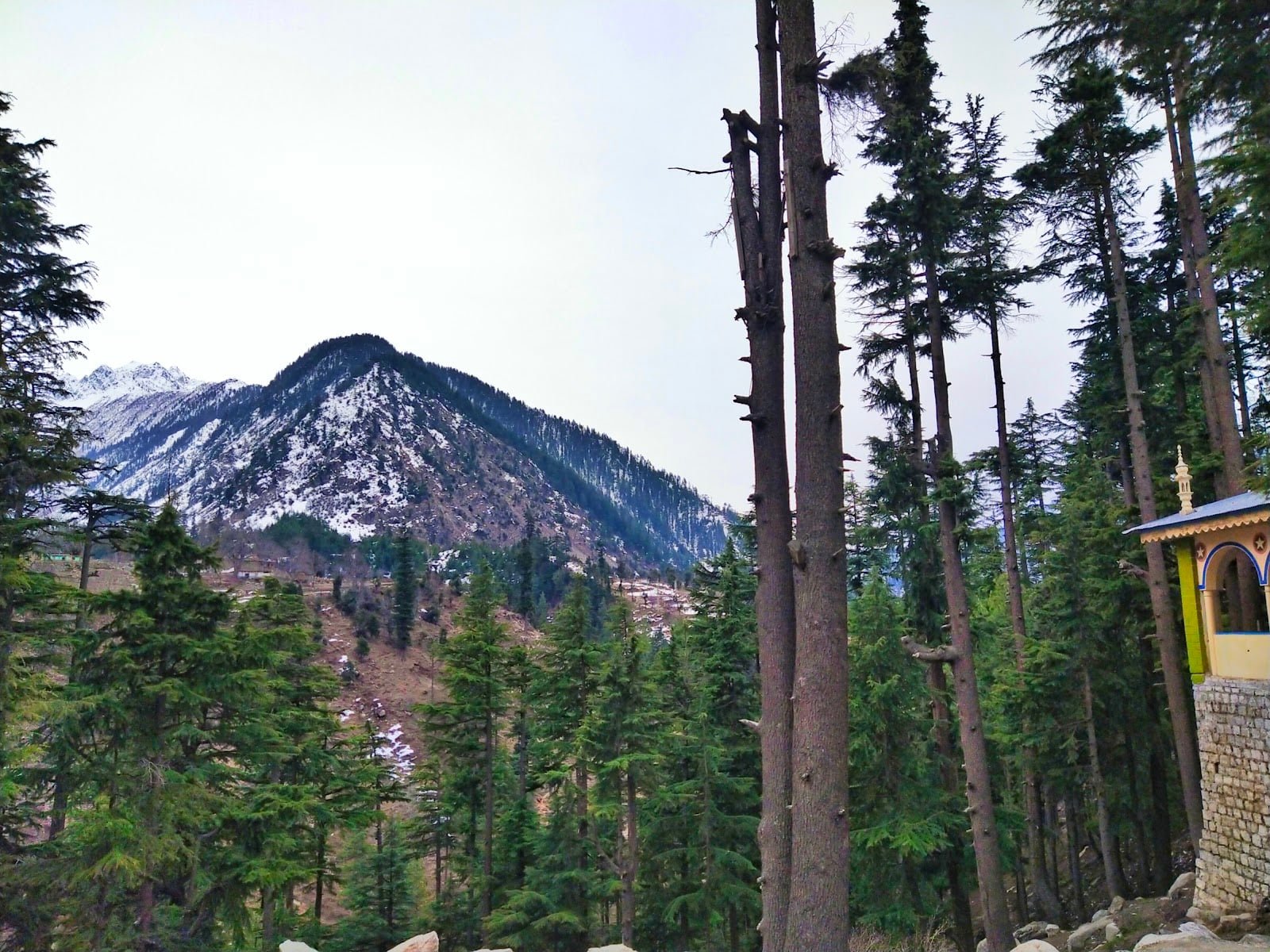
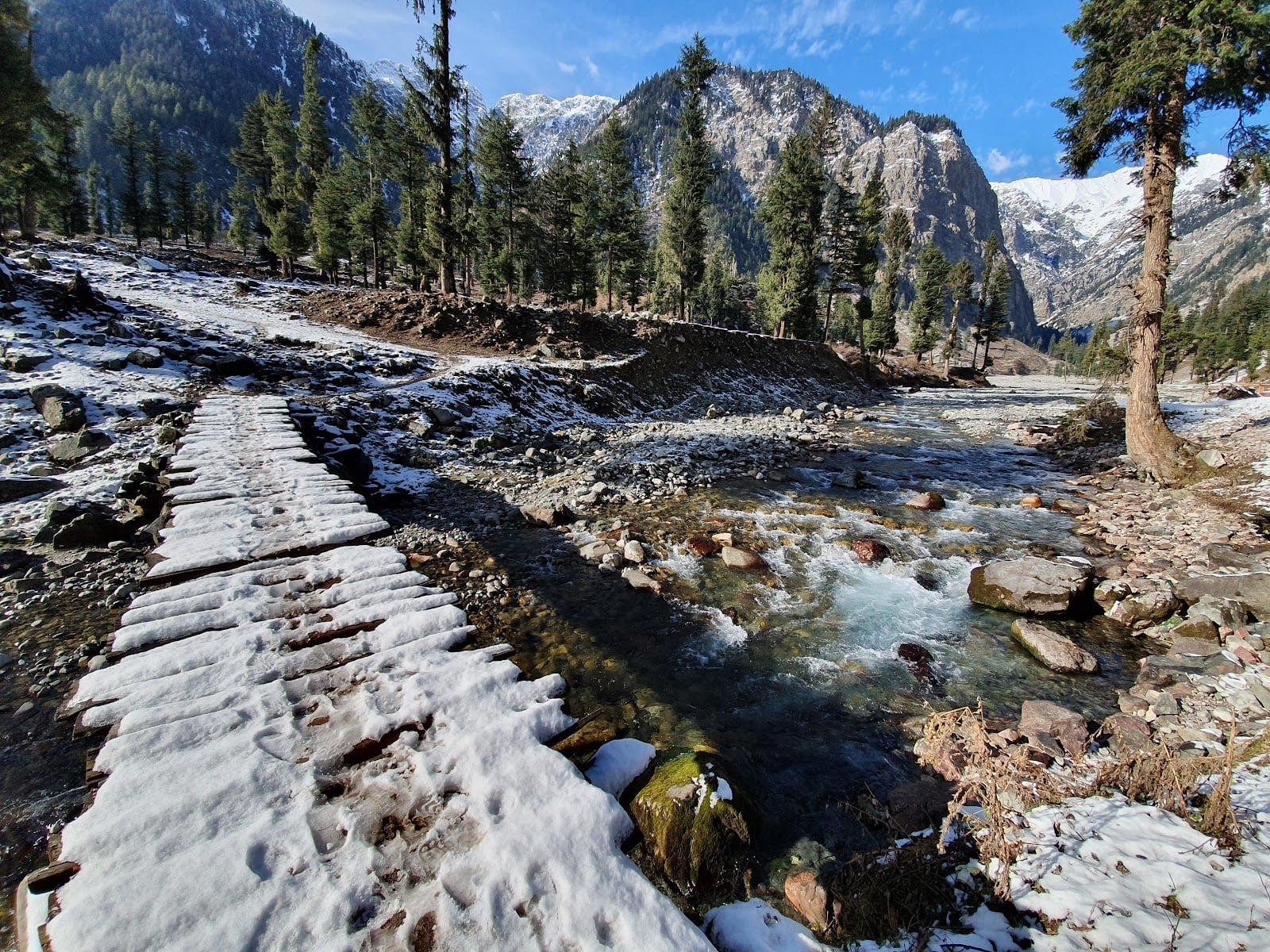
Swat gives you rivers, forests, orchards, meadows, ski slopes and Buddhist heritage. Hunza gives you giant rock walls, glaciers, cherry blossoms, fortified villages and the Karakoram skyline. Hunza feels more remote and dramatic; Swat feels more lush, accessible and varied.
Cost comparison
A 5-day mid-range Swat trip for two can easily stay in PKR 90,000 to 140,000 including all fuel and jeep day trips. Hunza often costs more because of the longer drive, higher hotel rates in peak season and more expensive food and side excursions. On a tight budget, Swat usually wins.
Hotel and food infrastructure
Swat has stronger mid-range hotel coverage in Mingora, Bahrain and Kalam. Hunza has excellent boutique stays but fewer budget choices in peak season. Food in Swat is more affordable and widely available in bazaars. Hunza offers a different cuisine experience but often at higher prices.
For honeymooners
Swat is easier for a short honeymoon, with riverside cabins, Malam Jabba snow, Kalam chalets and quicker access from Islamabad. Hunza is ideal for a longer, premium honeymoon with iconic vistas and slower travel. If you have 4 to 5 days, Swat. If you have 7 to 10 days, Hunza.
For families
Swat is easier because of the shorter drive, hospital access in Mingora, kid-friendly hotel options and simple day trips. Hunza is fantastic, but the long road can be tiring for toddlers and elderly travelers. For first mountain trips with family, Swat is usually the better choice.
For photographers
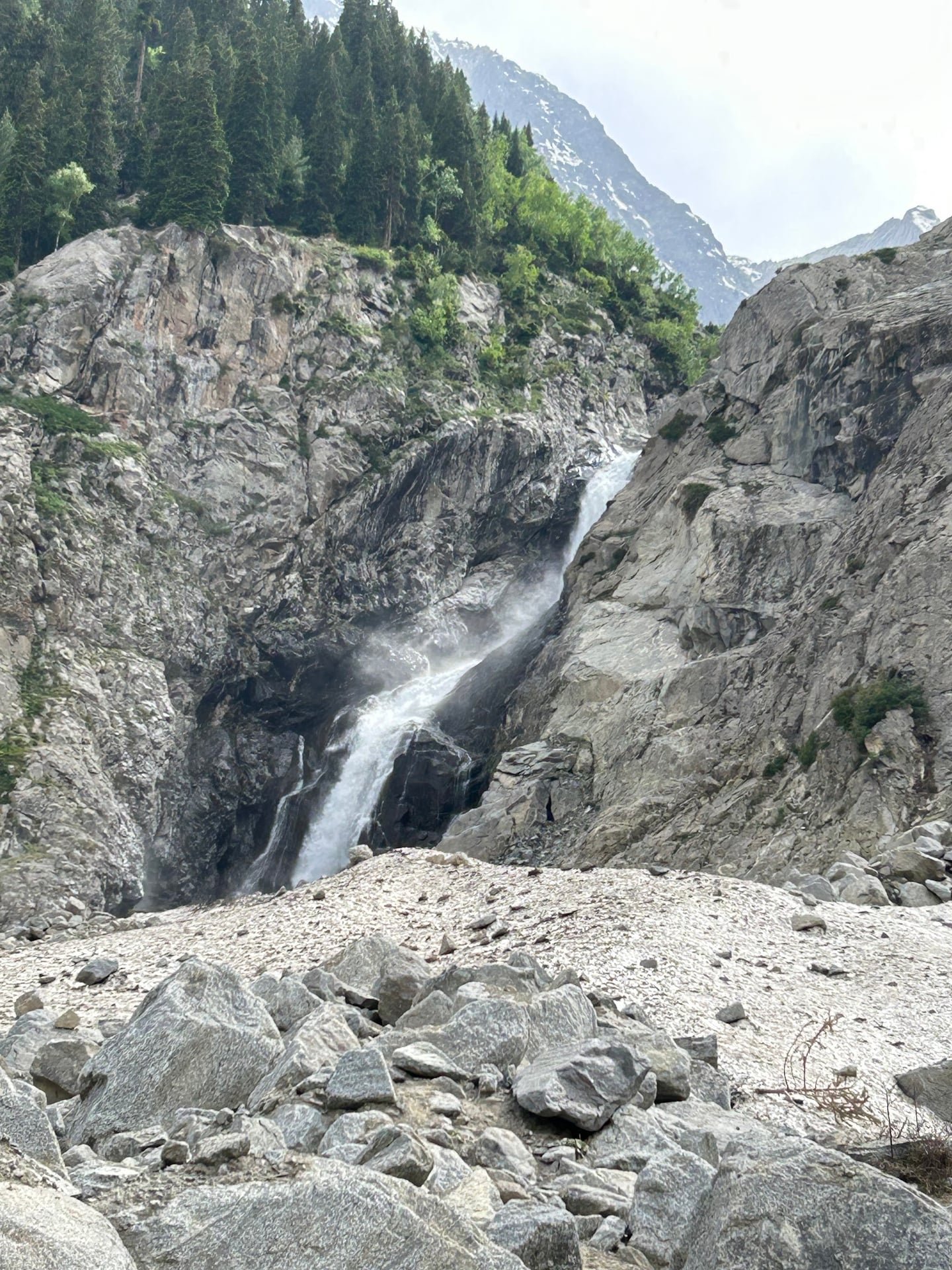
Swat wins for variety and accessibility. In one trip you can shoot rivers, forests, orchards, ski slopes, waterfalls, lakes and cultural heritage. Hunza wins if you want the specific Karakoram mountain feel and classic cherry blossom frames. The better choice depends on what story you want to shoot.
Which one to pick first
If this is your first mountain trip in Pakistan, start with Swat. It is less exhausting, more flexible, and the learning curve is gentler. Once you understand mountain travel, move to Hunza for a more remote and dramatic experience.
Best strategy: do both
Swat and Hunza are not rivals — they are complementary. Swat gives you easy, lush, cultural mountain travel. Hunza gives you high-altitude drama. If you have limited vacation days, do Swat first; if you have a longer annual trip, add Hunza next year.
Planning details most travelers miss
Most travel friction in Swat comes from timing, not distance. The same route can feel easy or exhausting depending on start hour, road congestion, and weather windows. A practical strategy is to lock core movement windows early in the day, then keep flexible blocks for meals, short photo pauses, and weather-driven adjustments. This keeps your plan stable without becoming rigid. Road safety in Swat is mostly about daylight discipline. Keeping mountain segments in daylight lowers risk significantly and makes route decisions easier when conditions change. If weather turns or delays build up, stopping early in a known town is usually the best decision. Reaching one stop less is better than forcing a late-night arrival on unfamiliar roads.
How to adapt this plan by season
Accommodation choices have a direct effect on daily energy. A room with reliable heating, hot water, and low night noise gives better sleep and a stronger next day, especially for families and photographers waking before sunrise. It is usually smarter to pick slightly better comfort in one base town than to over-shift hotels every night and lose time in check-in transitions. Local etiquette improves travel outcomes in subtle ways. A respectful greeting, patient negotiation, and calm behavior in busy bazaars often lead to better cooperation from drivers, hotel staff, and shopkeepers. Small cultural awareness creates trust. That trust helps when you need route advice, schedule flexibility, or quick support in uncertain conditions.
Comfort and safety checklist
Food planning matters more in mountain travel than many visitors expect. Choose clean, high-turnover kitchens, request moderate spice when needed, and carry backup snacks for long road sections. Hydration is equally important. In cooler weather people drink less water and fatigue builds faster. Keeping a simple hydration rhythm improves mood, focus, and motion comfort during long curves. A useful final check is to separate essentials from optional items. Essentials include documents, medicines, cash buffer, charging backups, and weather layers. Optional items include extra stops and non-critical detours. When plans shift, protecting essentials first keeps the trip smooth. This simple prioritization method works for first-time tourists and repeat visitors alike.
Smarter route and budget decisions
Road safety in Swat is mostly about daylight discipline. Keeping mountain segments in daylight lowers risk significantly and makes route decisions easier when conditions change. If weather turns or delays build up, stopping early in a known town is usually the best decision. Reaching one stop less is better than forcing a late-night arrival on unfamiliar roads. For content creators and planners, document your route decisions each day. Note fuel points, traffic windows, and response times for support services. This helps you improve future trips and makes your recommendations more trustworthy for others. Swat rewards detailed planning with a better on-ground experience, especially when your schedule combines culture, food, and upper-valley movement.
Local etiquette and practical behavior
Local etiquette improves travel outcomes in subtle ways. A respectful greeting, patient negotiation, and calm behavior in busy bazaars often lead to better cooperation from drivers, hotel staff, and shopkeepers. Small cultural awareness creates trust. That trust helps when you need route advice, schedule flexibility, or quick support in uncertain conditions. Families and mixed-age groups should apply pace layering. Keep one anchor activity, one optional stop, and one recovery block each day. This prevents over-scheduling and reduces friction between travelers with different energy levels. The strongest itineraries are not the busiest ones, they are the plans that stay comfortable from morning to evening.
Final execution checklist
A useful final check is to separate essentials from optional items. Essentials include documents, medicines, cash buffer, charging backups, and weather layers. Optional items include extra stops and non-critical detours. When plans shift, protecting essentials first keeps the trip smooth. This simple prioritization method works for first-time tourists and repeat visitors alike. Most travel friction in Swat comes from timing, not distance. The same route can feel easy or exhausting depending on start hour, road congestion, and weather windows. A practical strategy is to lock core movement windows early in the day, then keep flexible blocks for meals, short photo pauses, and weather-driven adjustments. This keeps your plan stable without becoming rigid.
Planning details most travelers miss
For content creators and planners, document your route decisions each day. Note fuel points, traffic windows, and response times for support services. This helps you improve future trips and makes your recommendations more trustworthy for others. Swat rewards detailed planning with a better on-ground experience, especially when your schedule combines culture, food, and upper-valley movement. Accommodation choices have a direct effect on daily energy. A room with reliable heating, hot water, and low night noise gives better sleep and a stronger next day, especially for families and photographers waking before sunrise. It is usually smarter to pick slightly better comfort in one base town than to over-shift hotels every night and lose time in check-in transitions.
How to adapt this plan by season
Families and mixed-age groups should apply pace layering. Keep one anchor activity, one optional stop, and one recovery block each day. This prevents over-scheduling and reduces friction between travelers with different energy levels. The strongest itineraries are not the busiest ones, they are the plans that stay comfortable from morning to evening. Food planning matters more in mountain travel than many visitors expect. Choose clean, high-turnover kitchens, request moderate spice when needed, and carry backup snacks for long road sections. Hydration is equally important. In cooler weather people drink less water and fatigue builds faster. Keeping a simple hydration rhythm improves mood, focus, and motion comfort during long curves.
Frequently asked questions
Swat or Hunza for first-time travelers?+
Swat is easier, cheaper and shorter from Islamabad and Lahore.
Which valley is better for families?+
Swat, because the drive is shorter and hotel and hospital access is better.
Which is more scenic, Swat or Hunza?+
Hunza is more dramatic; Swat is more varied and lush.
Which is cheaper, Swat or Hunza?+
Swat is usually cheaper for hotels, food and side trips.
Which is better for honeymoon?+
Swat for a shorter, easier honeymoon. Hunza for a longer premium honeymoon.
Can I do both in one year?+
Yes. They complement each other very well across different seasons.