Discover SwatDiscover Swat
Best Drone Photography Locations in Swat Valley (Legal and Scenic Spots)
All articles
Photography 11 min read June 17, 2026 Discover Swat Editorial

Best Drone Photography Locations in Swat Valley (Legal and Scenic Spots)

A drone pilot's guide to scenic Swat locations for legal, respectful drone photography — from Kalam and Mahodand to Mingora and Malam Jabba.

Best Drone Photography Locations in Swat Valley (Legal and Scenic Spots) related visual 1
Best Drone Photography Locations in Swat Valley (Legal and Scenic Spots) related visual 2

Drone rules and respect first

Before flying anywhere, understand the rules. Avoid military zones, government buildings, crowded bazaars, mosques during prayer, private homes and hotels without permission. Keep line of sight, stay below 400 ft AGL unless you have special permission, and do not overfly people. Drone photography in Swat works best when it is respectful and discreet.

Kalam river bend

The classic drone frame in Kalam is the Swat River bend near the main bazaar and riverside hotels. Early morning haze clears quickly, giving layered mountain profiles, cabin rooftops and turquoise water. Fly from a legal open area away from people. Use a 24 to 28 mm equivalent field of view for broad scenic coverage.

Mahodand valley

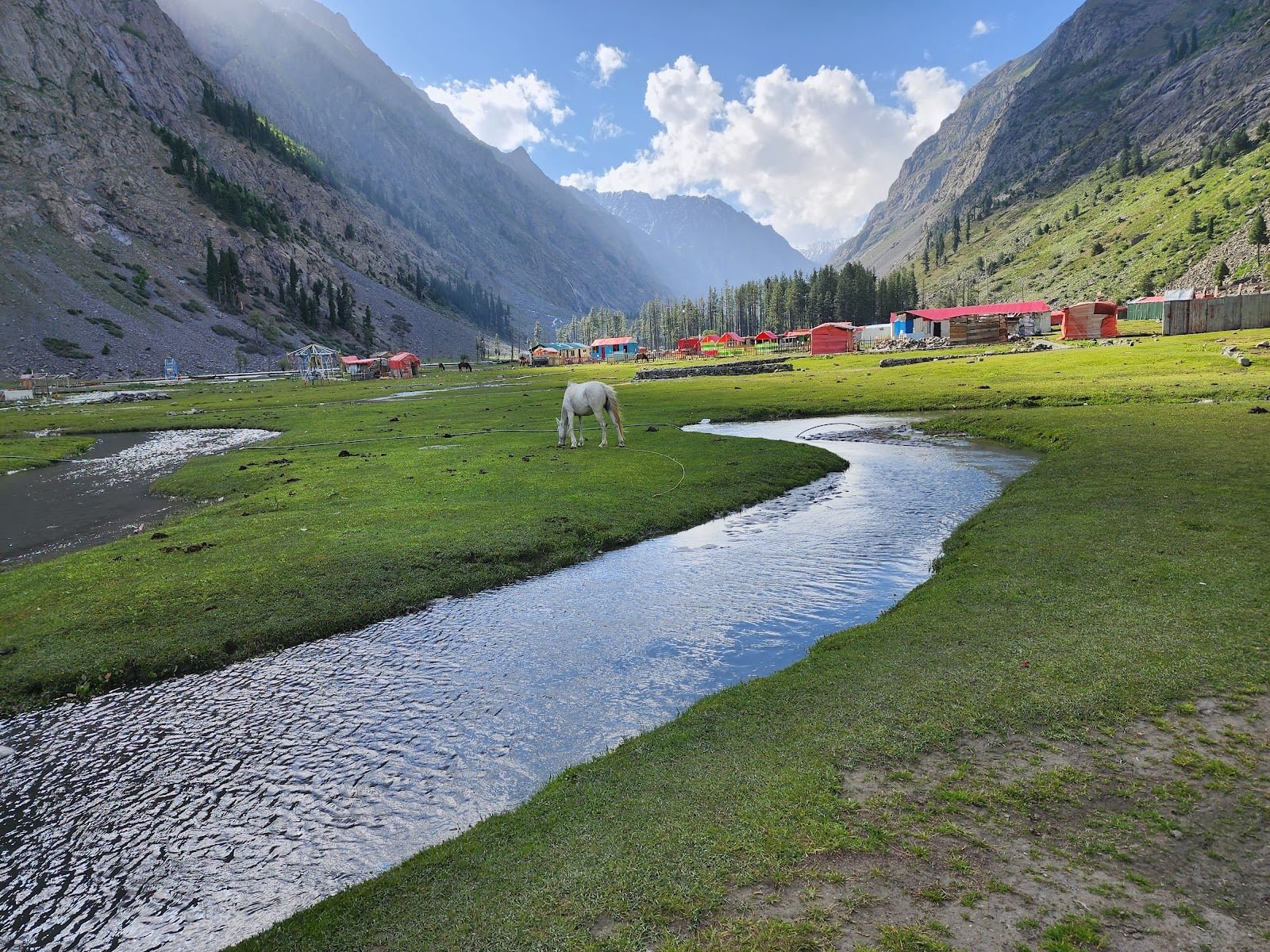
The Mahodand approach offers dramatic aerials of forest, meadows and glacial water. Because the jeep track is rough, fly only from stable open meadow or lakeside areas with operator permission. The lake, with Falak Sar visible on clear mornings, is a prime sunrise drone frame.

Malam Jabba ridge and ski slope

Malam Jabba is excellent for ridge and ski-slope aerials, especially in winter and spring. The resort has broad open spaces around the chairlift and slopes that work beautifully when conditions are clear. Respect the privacy of guests and keep distance from the hotel property unless granted permission.

Bahrain and Madyan river confluence

The meeting of the Swat and Daral rivers around Bahrain produces strong aerial compositions. The wooden bridges and hotel terraces add scale. Fly early to avoid crowds at the water edges.

Miandam forest and meadows

Miandam is a quieter aerial location with pine forest patterns, broad meadows and fewer tourists. The neat patchwork of trees and fields looks great from above in spring and autumn. Be mindful of homesteads and livestock.

Ushu Forest canopy

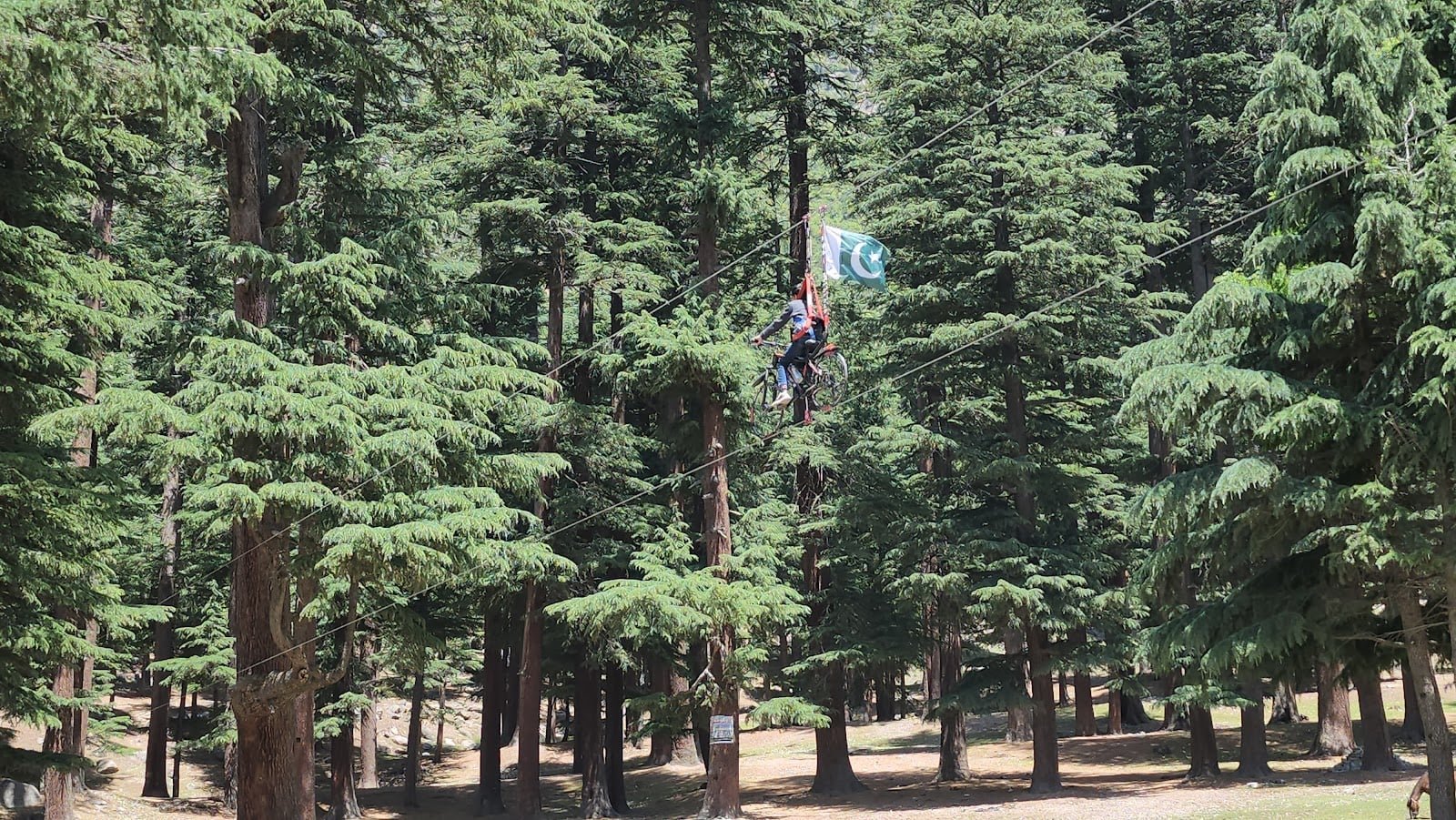
Aerial shots of the Ushu canopy above Kalam show deep green forest texture and the silver line of the river. Choose a clear opening to launch from and keep flights short because the forest floor can make recovery difficult if battery issues arise.

Photography workflow

Scout from the ground first, then fly. Plan your exposure and landing area before takeoff. Shoot a few orbit, reveal and top-down clips rather than too many random sweeps. Keep the drone low enough to preserve scale and detail rather than turning the valley into a flat map.

Battery and weather planning

Cold weather kills batteries quickly. In winter at Malam Jabba, keep spare batteries warm inside your jacket. Morning is the best flying time across Swat because thermal winds are lower. Avoid flying before a storm or in gusty canyon winds.

Why drone footage matters

Good drone footage helps show Swat as the layered mountain landscape it truly is: river curves, forest, ridgelines, villages and peaks all in one frame. Use the drone to tell the geography story, not just to chase dramatic altitude.

Planning details most travelers miss

Most travel friction in Swat comes from timing, not distance. The same route can feel easy or exhausting depending on start hour, road congestion, and weather windows. A practical strategy is to lock core movement windows early in the day, then keep flexible blocks for meals, short photo pauses, and weather-driven adjustments. This keeps your plan stable without becoming rigid. Road safety in Swat is mostly about daylight discipline. Keeping mountain segments in daylight lowers risk significantly and makes route decisions easier when conditions change. If weather turns or delays build up, stopping early in a known town is usually the best decision. Reaching one stop less is better than forcing a late-night arrival on unfamiliar roads.

How to adapt this plan by season

Accommodation choices have a direct effect on daily energy. A room with reliable heating, hot water, and low night noise gives better sleep and a stronger next day, especially for families and photographers waking before sunrise. It is usually smarter to pick slightly better comfort in one base town than to over-shift hotels every night and lose time in check-in transitions. Local etiquette improves travel outcomes in subtle ways. A respectful greeting, patient negotiation, and calm behavior in busy bazaars often lead to better cooperation from drivers, hotel staff, and shopkeepers. Small cultural awareness creates trust. That trust helps when you need route advice, schedule flexibility, or quick support in uncertain conditions.

Comfort and safety checklist

Food planning matters more in mountain travel than many visitors expect. Choose clean, high-turnover kitchens, request moderate spice when needed, and carry backup snacks for long road sections. Hydration is equally important. In cooler weather people drink less water and fatigue builds faster. Keeping a simple hydration rhythm improves mood, focus, and motion comfort during long curves. A useful final check is to separate essentials from optional items. Essentials include documents, medicines, cash buffer, charging backups, and weather layers. Optional items include extra stops and non-critical detours. When plans shift, protecting essentials first keeps the trip smooth. This simple prioritization method works for first-time tourists and repeat visitors alike.

Smarter route and budget decisions

Road safety in Swat is mostly about daylight discipline. Keeping mountain segments in daylight lowers risk significantly and makes route decisions easier when conditions change. If weather turns or delays build up, stopping early in a known town is usually the best decision. Reaching one stop less is better than forcing a late-night arrival on unfamiliar roads. For content creators and planners, document your route decisions each day. Note fuel points, traffic windows, and response times for support services. This helps you improve future trips and makes your recommendations more trustworthy for others. Swat rewards detailed planning with a better on-ground experience, especially when your schedule combines culture, food, and upper-valley movement.

Local etiquette and practical behavior

Local etiquette improves travel outcomes in subtle ways. A respectful greeting, patient negotiation, and calm behavior in busy bazaars often lead to better cooperation from drivers, hotel staff, and shopkeepers. Small cultural awareness creates trust. That trust helps when you need route advice, schedule flexibility, or quick support in uncertain conditions. Families and mixed-age groups should apply pace layering. Keep one anchor activity, one optional stop, and one recovery block each day. This prevents over-scheduling and reduces friction between travelers with different energy levels. The strongest itineraries are not the busiest ones, they are the plans that stay comfortable from morning to evening.

Final execution checklist

A useful final check is to separate essentials from optional items. Essentials include documents, medicines, cash buffer, charging backups, and weather layers. Optional items include extra stops and non-critical detours. When plans shift, protecting essentials first keeps the trip smooth. This simple prioritization method works for first-time tourists and repeat visitors alike. Most travel friction in Swat comes from timing, not distance. The same route can feel easy or exhausting depending on start hour, road congestion, and weather windows. A practical strategy is to lock core movement windows early in the day, then keep flexible blocks for meals, short photo pauses, and weather-driven adjustments. This keeps your plan stable without becoming rigid.

Planning details most travelers miss

For content creators and planners, document your route decisions each day. Note fuel points, traffic windows, and response times for support services. This helps you improve future trips and makes your recommendations more trustworthy for others. Swat rewards detailed planning with a better on-ground experience, especially when your schedule combines culture, food, and upper-valley movement. Accommodation choices have a direct effect on daily energy. A room with reliable heating, hot water, and low night noise gives better sleep and a stronger next day, especially for families and photographers waking before sunrise. It is usually smarter to pick slightly better comfort in one base town than to over-shift hotels every night and lose time in check-in transitions.

How to adapt this plan by season

Families and mixed-age groups should apply pace layering. Keep one anchor activity, one optional stop, and one recovery block each day. This prevents over-scheduling and reduces friction between travelers with different energy levels. The strongest itineraries are not the busiest ones, they are the plans that stay comfortable from morning to evening. Food planning matters more in mountain travel than many visitors expect. Choose clean, high-turnover kitchens, request moderate spice when needed, and carry backup snacks for long road sections. Hydration is equally important. In cooler weather people drink less water and fatigue builds faster. Keeping a simple hydration rhythm improves mood, focus, and motion comfort during long curves.

Frequently asked questions

Are drones allowed in Swat?+

Yes within Pakistan regulations, but avoid military, government and private sensitive areas. Fly respectfully and within line of sight.

Best drone location in Swat?+

Mahodand Lake, Kalam river bend, Malam Jabba ridges and Bahrain river confluence are top scenic spots.

Can I fly a drone in Kalam Bazaar?+

Only with caution and away from crowds and private property. Better to launch from an open legal area and keep flights short.

Do I need permission for drone shots at hotels?+

Yes, always ask the hotel manager before launching near a property or guest area.

What time is best for drone flights?+

Early morning, before winds pick up and before crowds gather.

Is winter drone flying possible in Swat?+

Yes, but battery life drops fast in the cold. Keep spare batteries warm and avoid strong winds.

TopicsDrone photographySwat viewsscenic spotsaerials

Plan your visit to Swat

Read our complete travel guide before you head out.